Buying Guide: What to Look for in Football Data Tracking Equipment
Key takeaways
- Check IMU sampling rate: 500–high-rate captures shots and sprints accurately.
- Look for 2+ hours battery per charge and multi-sensor recharging docks.
- Confirm MOQ, sample policy and lead time before committing to a B2B purchase.
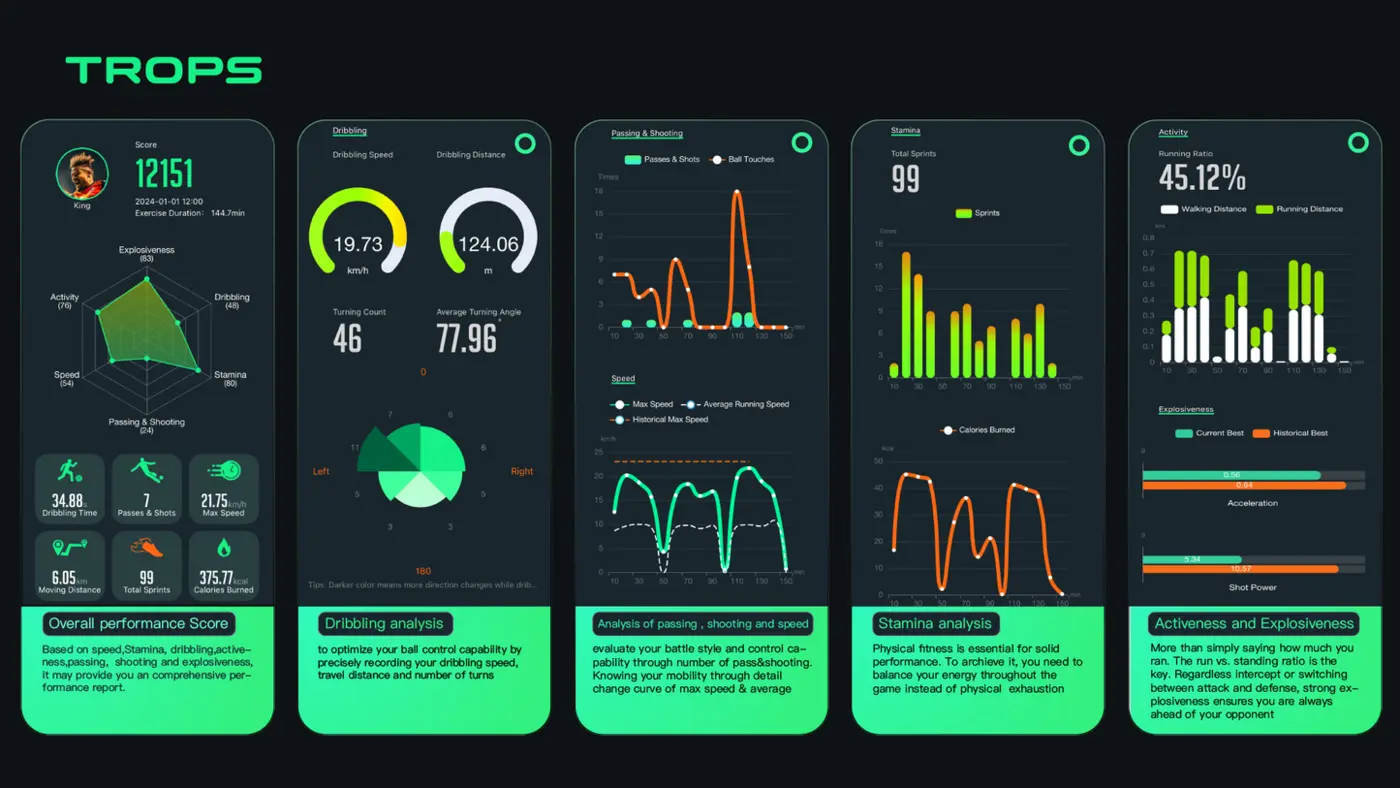
Football data tracking equipment ranges from camera systems to wearable sensors. If you are buying wearables for an academy, school or club, use this checklist. It is written for the people who actually sign off on the purchase — academy directors, school sports coordinators, club managers and distributors — so it focuses on the questions that decide whether a system gets used every week or ends up in a cupboard.
Before comparing brands, define what you want to measure and who will act on the data. A school PE department may care most about participation and simple load monitoring; an academy wants technical detail such as touches, strike quality and left/right foot balance. Writing that down first makes the rest of this guide much easier to apply. If you are still deciding between sensor and camera approaches, our comparison of GPS vests versus camera analysis is a useful starting point.
1. Sensor Accuracy
Check the IMU sampling rate. Higher rates (500Hz–high-rate) capture short, explosive actions like shots and sprints more accurately. Sampling rate is the number of readings per second; a low rate can smooth over the very moments coaches care about, such as the instant of ball contact or the first step of an acceleration.
What to ask a supplier
- What is the IMU sampling rate, and is it sustained during a full session or only in short bursts?
- How many axes does the sensor use, and how is foot orientation handled?
- Can the system separate left and right foot activity?
- Is the sensor worn on the foot, the shin or the torso — and how does placement affect the metrics?
Foot-worn placement is particularly relevant for technical metrics. The TROPS-1, for example, is a 25 g foot-worn sensor with a 9-axis IMU running at high-rate, which supports measures such as touches, shots, strike quality and left/right foot balance alongside sprints, top speed, distance, accelerations, decelerations and training load. For a deeper explanation of how these metrics are produced, see the metrics that matter in football GPS data.
Common mistake
Buying on headline metric count alone. A long list of metrics is only useful if each one is reliable enough for a coach to trust and simple enough to explain to a player. Ask for a sample and test it against actions you can verify — a known sprint distance, a counted set of touches in a rondo.
2. Battery & Charging
Look for at least a full training session per charge (2+ hours), ideally a full day. recharging docks make managing 20+ sensors practical. Battery life is not just about one session: consider a tournament day, a double session, or a school timetable where devices move between classes.
Practical checks
- Rated battery capacity and realistic runtime under continuous recording.
- Charging method: individual cables, multi-port docks or magnetic docks.
- How long a full recharge takes, and whether devices can be stored charging overnight.
- Whether the app shows battery status per sensor before a session starts.
The TROPS-1 uses a rechargeable battery (capacity in the datasheet), which covers a full training day rather than a single session. For a 30-player squad, charging logistics matter as much as runtime — a dock that charges many sensors at once removes a daily administrative headache.
3. Durability
Youth players are hard on equipment. IP66 waterproofing and a robust housing are essential. Think about mud, rain, repeated washing of socks, being stepped on, and being thrown into a kit bag at the end of a session.
Durability checklist
- IP rating and what it actually protects against.
- Housing material and how the sensor is secured in the ankle.
- Whether the charging contacts are protected from dirt and moisture.
- Replacement policy for lost or damaged units — because some will be lost.
Our durability guide for GPS trackers covers the wear patterns to look for in youth settings. If your programme involves younger age groups, the grassroots guide to youth GPS trackers adds context on sizing and handling.
4. Software Depth
The hardware is only half the product. Does the platform generate reports coaches can actually use? Can it export data? Is onboarding included? A sensor that produces numbers nobody reads is an expensive accessory.
Questions worth asking
- Can I see both per-player and per-team views?
- Are trends shown across weeks, not just single sessions?
- Does it support video sync so coaches can connect a metric to a moment?
- Can data be exported for parents, PE grading or internal review?
- How many staff accounts are included, and what are the permission levels?
The RunSports Team Platform provides a cloud dashboard with per-player and per-team reports, technical KPIs, load monitoring, trends and video sync. For a wider view of how software fits into a season plan, read building a data-driven training programme.
Scenario: the school PE programme
A school may not need deep technical KPIs, but it does need simple reports that a PE teacher can review in ten minutes and share with students. Ask suppliers to show the simplest report the platform produces, not the most complex one. Our notes on player tracking in school football programmes walk through this use case.
Scenario: the academy
An academy needs technical detail plus load management across age groups. Look for left/right foot balance, strike quality and training load trends, and confirm how load data feeds into session planning. The youth academy technical development case shows how these metrics are applied in practice.
5. MOQ & Lead Time
For B2B purchases, confirm the minimum order quantity, sample policy and delivery lead time before committing. These three items decide whether a pilot is possible this season or next.
How to run this conversation
- Ask for the sample MOQ separately from the production MOQ.
- Confirm whether sample units are standard product or configured differently.
- Get lead times in writing for the first order and for repeat orders.
- Ask how OEM or branding changes affect both MOQ and lead time.
For reference, RunSports sample orders start at 10 units and OEM orders at 100 units. Distributors evaluating the category should read choosing a wearable supplier: MOQ and OEM and the distributor opportunity overview before requesting quotes.
6. After-Sales Support
Ask about warranty, firmware updates and technical response times. A responsive supplier is worth more than a slightly lower price. In a school or club, a failed sensor on a match day is a real problem; the speed of the response matters more than the discount.
Support checklist
- Warranty length and what it covers.
- Firmware update cadence and how updates are delivered.
- Named technical contact and expected response time.
- Onboarding and staff training — is it included or extra?
- Documentation and language coverage for your market.
Onboarding is often underestimated. The Academy Bundle pairs sensors with the platform and onboarding for squads of 10 to 100+ players, which suits a first full deployment rather than a trial.
7. A Pre-Purchase Checklist
Use this to compare two or three suppliers side by side:
- IMU sampling rate and axis count confirmed in writing.
- Battery runtime tested on a sample in a real session.
- IP rating and housing reviewed physically, not just on a spec sheet.
- Platform demo completed with your own use case in mind.
- Export and video sync capability confirmed.
- Sample MOQ, production MOQ and lead times documented.
- Warranty, firmware and support response terms agreed.
- Onboarding scope and cost clarified.
- Compatibility checked: iOS and Android for the TROPS-1, and certification documentation certification for your market.
8. Mistakes That Cost Clubs Money
- Buying hardware without a software plan. Decide who reads the reports and when.
- Ordering the full squad before a pilot. Start small, test for a block of weeks, then scale.
- Ignoring charging logistics. Twenty sensors with individual cables is a daily time cost.
- Skipping the sample stage. A sample reveals fit, comfort and real-world durability.
- Choosing on price alone. Compare total cost including support, replacements and onboarding.
If budget is the main constraint, tracking on a small-club budget sets out a staged approach, and running a pilot programme explains how to structure a short trial before committing.
Next Step
Ready to compare options? Talk to our export team — we will help you size the right kit. Bring your squad size, age groups and the reports you want coaches to use, and we can recommend a configuration from the RunSports product range or point you to the right programme solution for your setting.
Recommended for your program
Frequently asked questions
What IMU sampling rate should I look for in football tracking sensors?
Look for higher rates of 500Hz to high-rate, which capture short, explosive actions like shots and sprints more accurately. Sampling rate is the number of readings per second, and a low rate can smooth over key moments such as ball contact or the first step of an acceleration.
How much battery life do football wearables need for a school or club?
Look for at least a full training session per charge (2+ hours), ideally a full day, to cover tournament days, double sessions or a school timetable. recharging docks make managing 20+ sensors practical, and per-sensor battery status in the app helps before a session starts.
What durability features matter for youth football tracking equipment?
IP66 waterproofing and a robust housing are essential, given mud, rain, repeated sock washing, being stepped on and kit bag handling. Check the IP rating, housing material, how the sensor is secured, whether charging contacts are protected, and the replacement policy for lost or damaged units.
What software questions should I ask before buying football tracking equipment?
Ask whether the platform shows per-player and per-team views, trends across weeks, video sync and data export for parents, PE grading or internal review. Also confirm staff account numbers and permission levels. A sensor producing numbers nobody reads is an expensive accessory, so check reports coaches can actually use.
Need help choosing the right equipment?
Talk to Our Export TeamRelated Reading
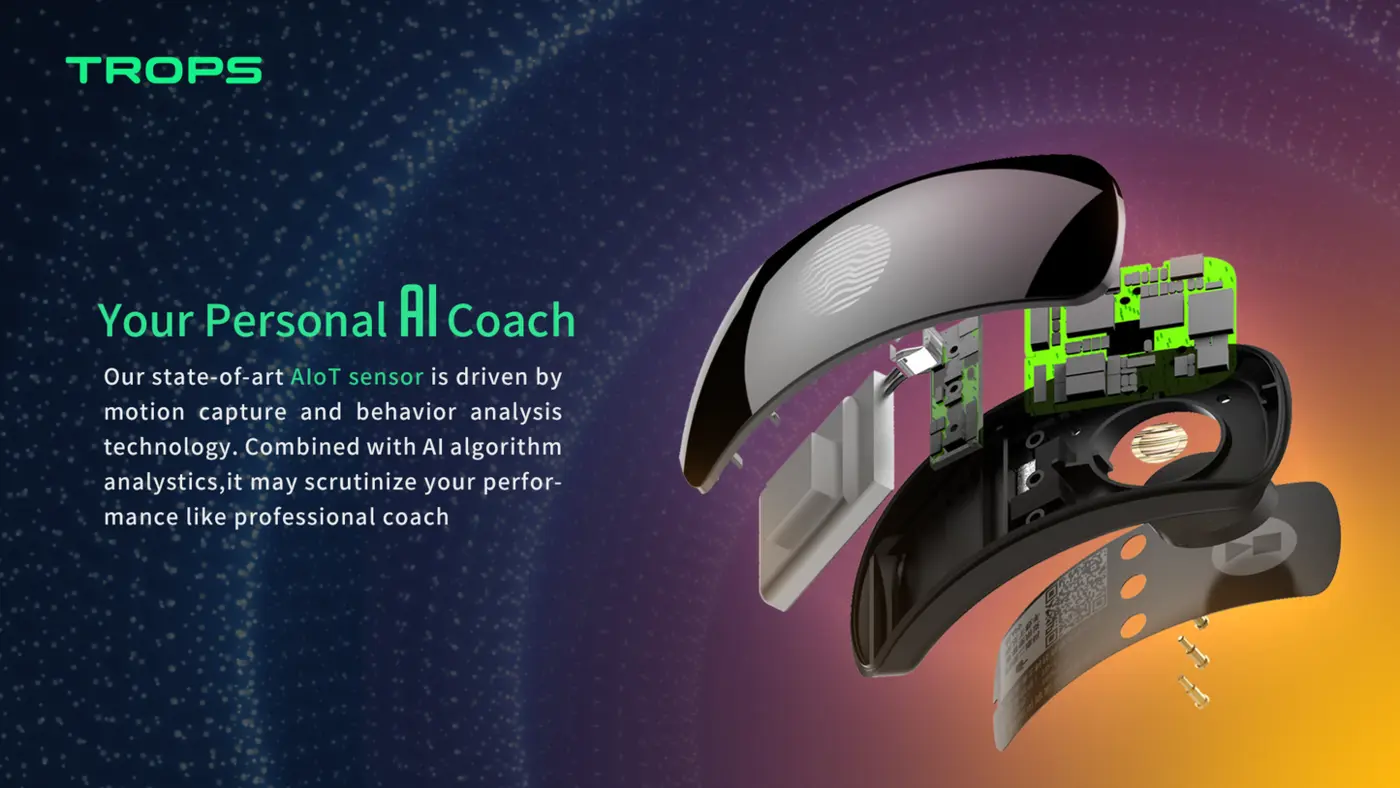
Soccer GPS Tracker Price: What Drives the Cost
Understand the real cost drivers behind a soccer GPS tracker — hardware, software seats, accessories, shipping and support — and how clubs should budget before they buy.
Read →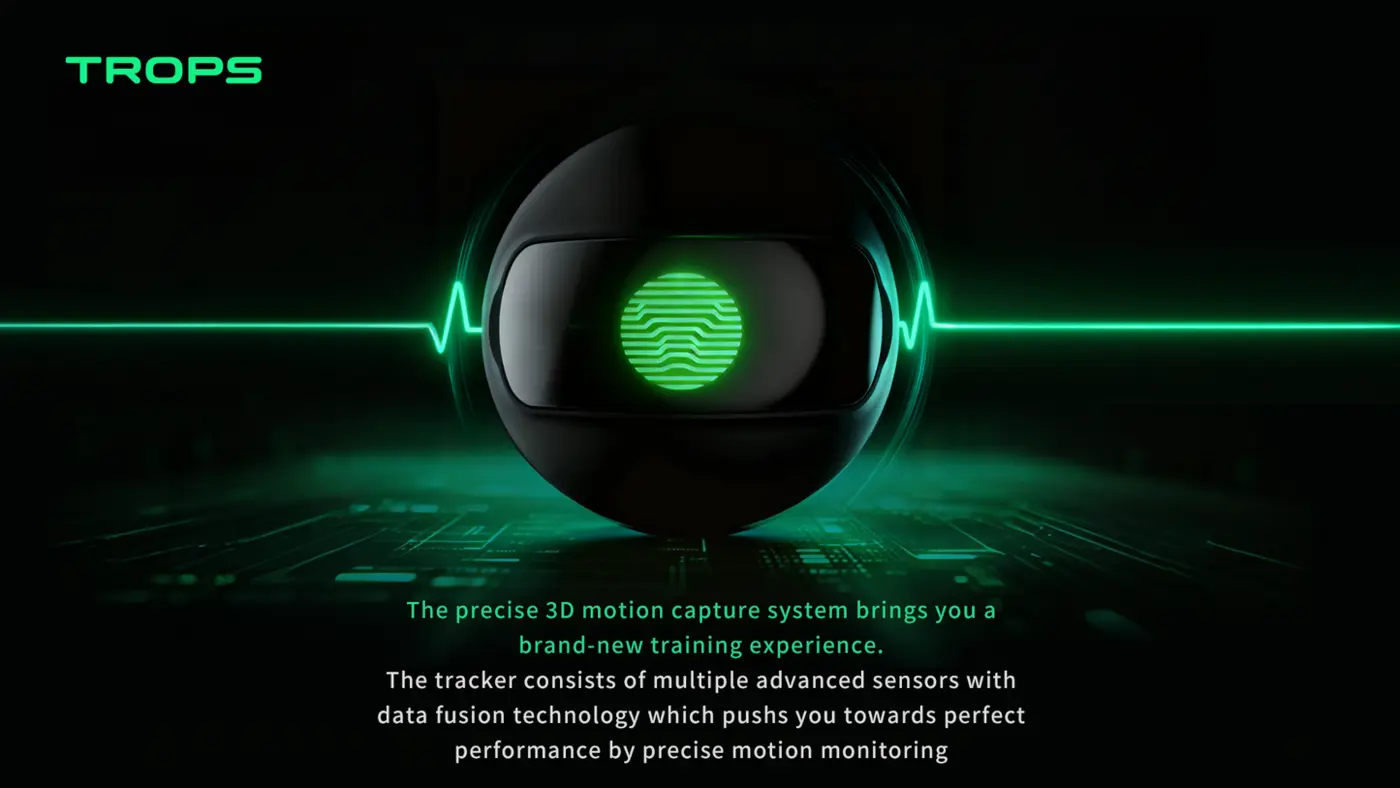
What Is a Soccer Foot Tracker and How Does It Improve Youth Training?
A practical guide to soccer foot trackers: how IMU sensors measure shots, sprints and foot balance, and how academies use the data in daily training.
Read →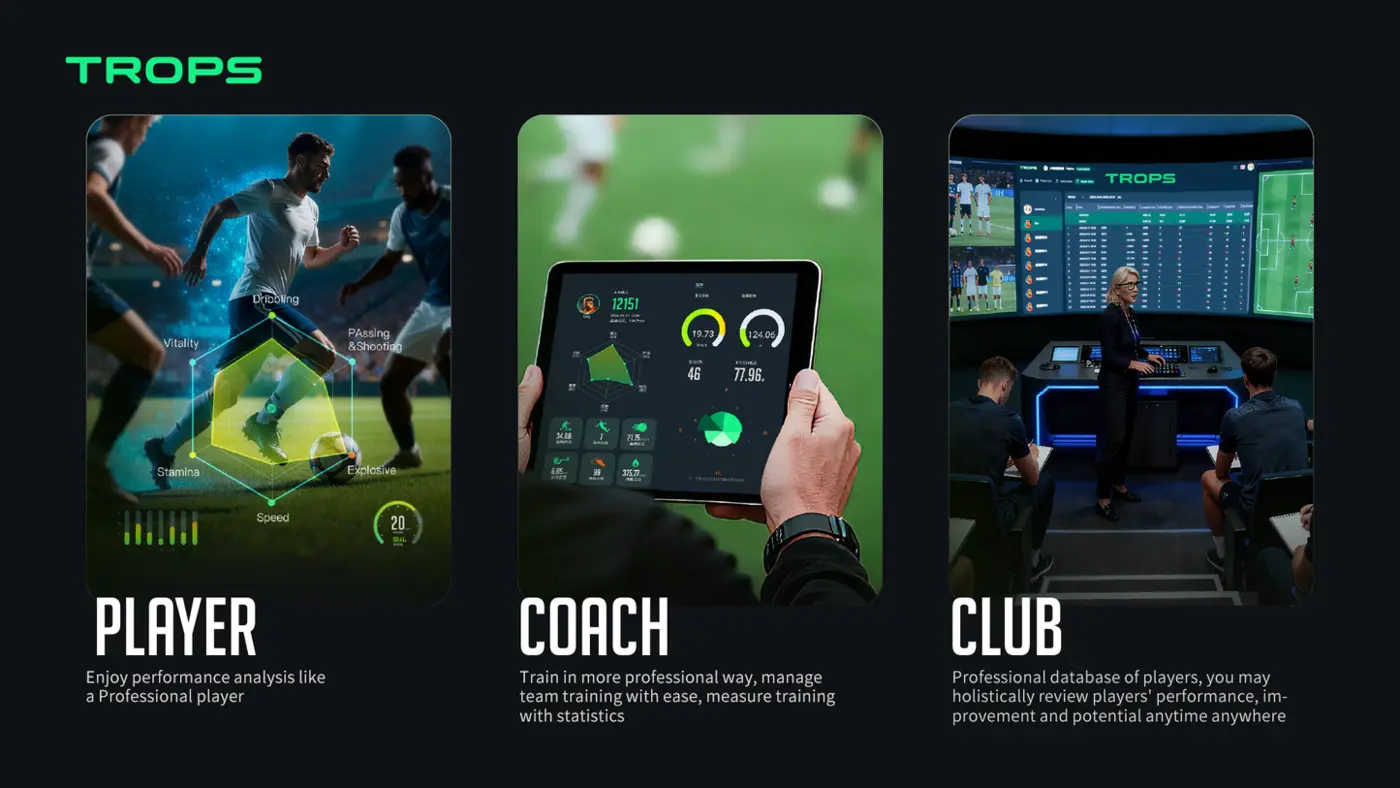
How Wearable Sensors Help Football Academies Develop Players Faster
How football academies use wearable sensors to give objective technical feedback, manage load and fatigue, communicate with parents, and scale player development across squads.
Read →