Youth Soccer GPS Trackers: The Grassroots Guide to Affordable Player Data
Key takeaways
- Start with 4-6 simple metrics for a full season block before adding more.
- Track the whole squad, not one player, to keep context and avoid resentment.
- Foot sensors add touches and left/right balance that vest GPS cannot capture.
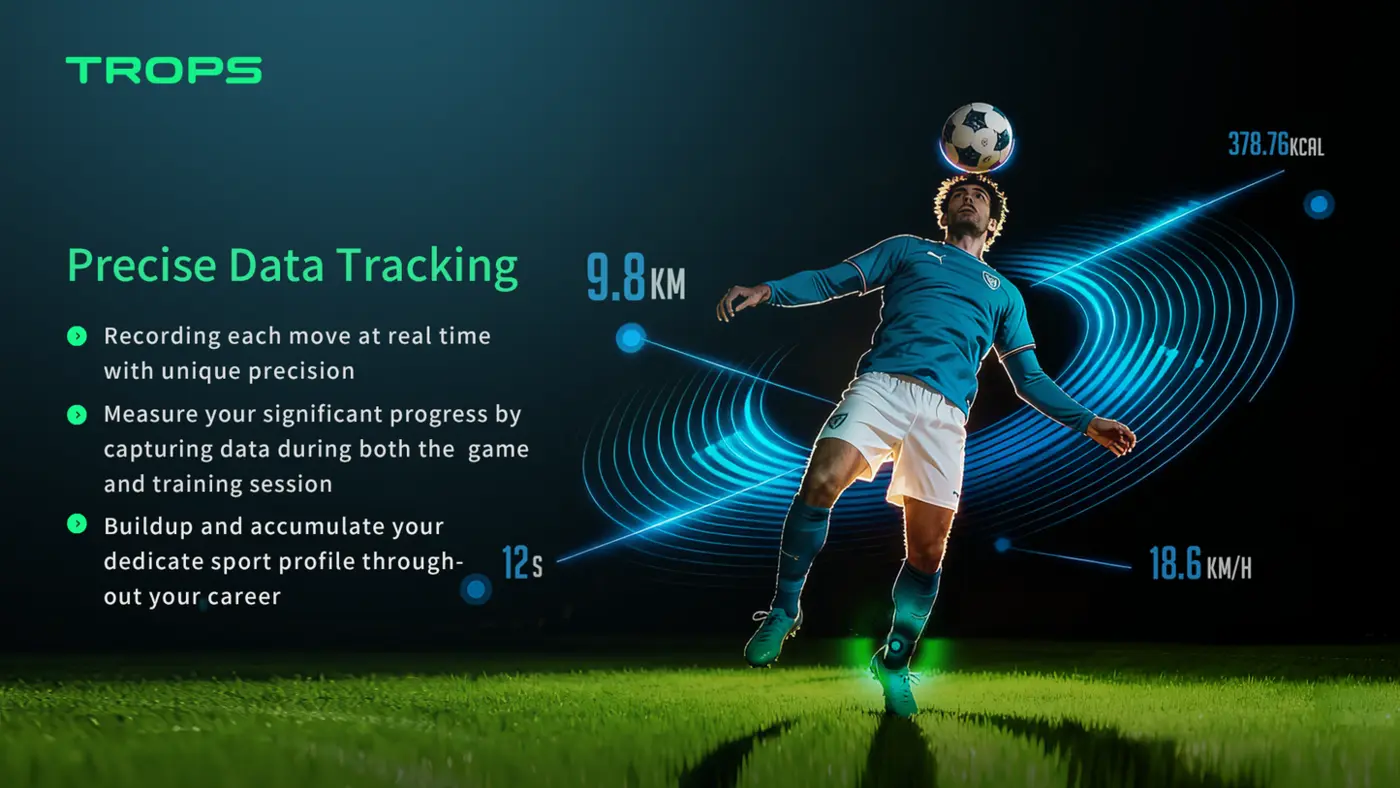
Ten years ago, player tracking data was reserved for Champions League squads. Today, a youth soccer GPS tracker costs a fraction of what elite clubs pay — and it gives grassroots coaches the same kind of insight that used to be a competitive secret.
For academy directors, school PE leads and distributors, the practical question is no longer whether grassroots tracking works. It is how to introduce it without wasting money, overloading coaches, or confusing parents. This guide walks through the decisions that matter, in the order you will actually face them.
Why Grassroots Clubs Are Adopting Tracking Data
Parents ask better questions now. How fast is my child? How much distance did she cover? Is the training load safe? A lightweight foot tracker answers all three with objective numbers instead of guesswork. Clubs that share real data build trust, retain players and look professional — often for less than the cost of one new kit.
There is a second driver that rarely gets mentioned: coach confidence. When a coach can show a parent a simple report after a six-week block, conversations about playing time and development become calmer and more specific. The data does not replace the coach's eye — it gives the coach something concrete to point at. If you want the longer version of that argument, our article on GPS tracking and youth football development covers how clubs use the numbers across age groups.
What to Measure With a Youth Soccer Tracker
The most useful metrics for young players are simple: total distance, sprint count, top speed and training load. You do not need lab-grade biomechanics. You need consistent, easy-to-read numbers that help you manage effort and spot overuse before it becomes an injury.
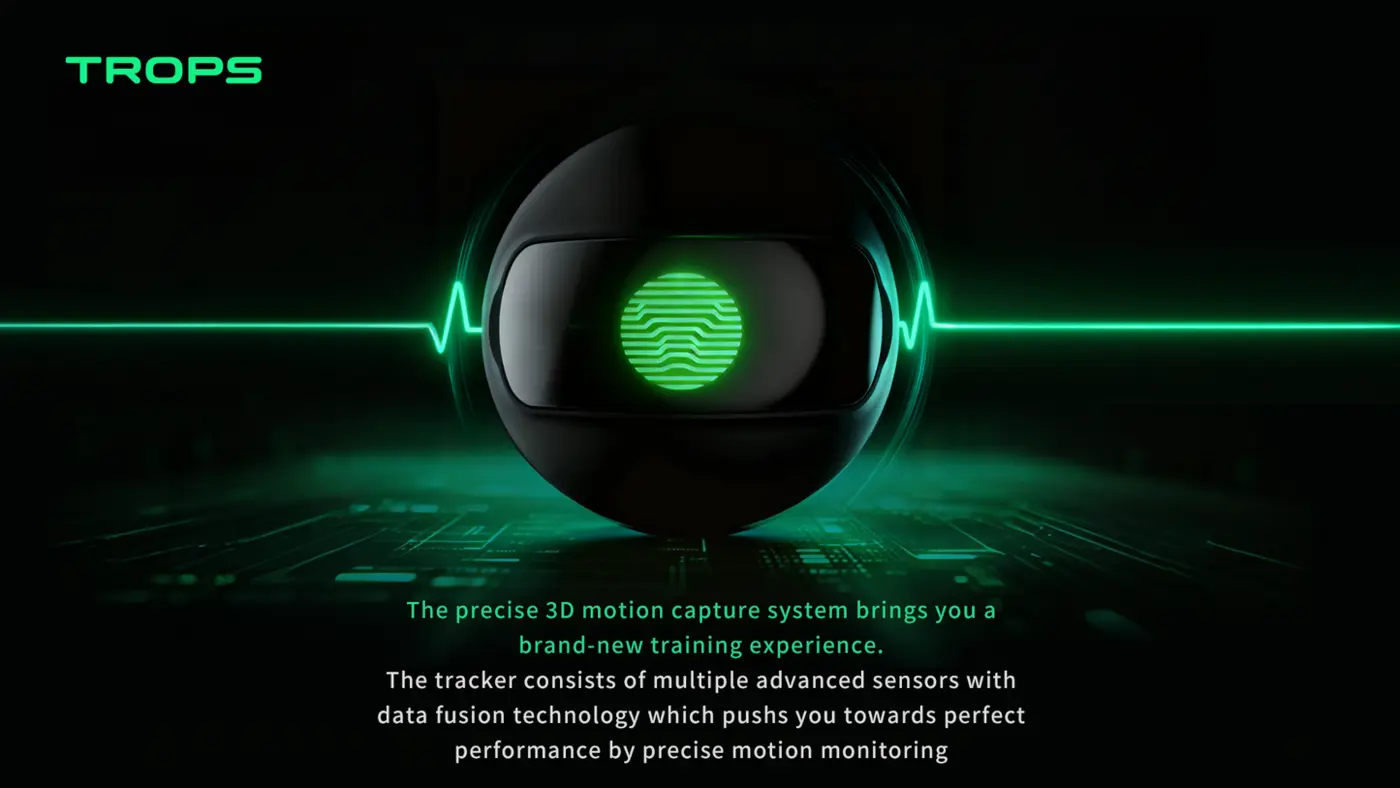
Foot-worn sensors add a layer that vest-based GPS cannot: on-ball and technical data. A device such as the TROPS-1 — a 25 g foot sensor with a 9-axis IMU sampling at high-rate — records touches, shots, strike quality and left/right foot balance alongside sprints, top speed, distance, accelerations, decelerations and training load. For a youth coach, left/right balance is often the most eye-opening metric of all, because it makes a development gap visible that the naked eye tends to miss.
A starter metric set for your first season
- Total distance — a baseline for session and match demands.
- Sprint count and top speed — useful for speed-session planning and progress checks.
- Training load — the simplest way to see whether a week was heavier than intended.
- Touches and left/right balance — technical context that supports individual development plans.
Resist the urge to track everything at once. Pick four to six metrics, use them consistently for a full block, and only then add more. Our breakdown of GPS data metrics in football explains what each number does and does not tell you.
Choosing an Affordable System
Look for three things: low cost per unit (so a whole squad can wear them, not just one star), simple data export (PDF or spreadsheet reports parents can understand), and durable hardware designed for muddy boots and hard tackles. Academy bundles that include a charging case and team software are the sweet spot for clubs on a budget.
Two practical checks separate a workable system from an expensive experiment. First, ask how the device is worn — ankle mounting keeps the sensor protected and consistent between sessions. Second, ask what happens after the session: if the data lives in an app nobody opens, the investment is wasted. A cloud dashboard with per-player and per-team reports, technical KPIs, load trends and video sync — like the RunSports Team Platform — turns raw numbers into something a coach can act on in a ten-minute review.
Buying checklist
- Cost per unit that allows a full squad, not a single tester.
- Report format parents and school staff can read without training.
- Durability rating and mounting method suited to daily pitch use.
- Battery life that covers a full training day without mid-session charging.
- App compatibility with the phones your coaches and parents actually own.
- Clear onboarding: who sets up the squad, and who trains the coach?
- Certification for your market (certification documentation for the S1) and a straightforward supply route.
For a deeper comparison of device types and price bands, see our buying guide to football data tracking equipment and the soccer GPS tracker price overview.
How to Start in One Season
Begin with one age group. Track a single training week, show the head coach and parents the report, and let the data sell itself. By the second season, most clubs expand tracking to every team because the questions stop being "why do we need this?" and become "why didn't we start sooner?"
A four-step rollout that works
- Pick one squad and one coach. Choose the coach most likely to use the reports, not the most senior one.
- Run a baseline week. Record normal training and one match without changing anything. This becomes your reference point.
- Review together. Spend fifteen minutes with the coach on distance, sprint count, load and touches. Agree on one change for the next block.
- Share with parents. Send a short PDF summary with two or three plain-language lines. Keep it about development, never about comparison between children.
Schools and district programmes usually need one extra step: a short internal briefing on data handling and consent before the first session. Our notes on player tracking in school football programmes cover that process, and the school district PE programme case shows how a rollout looks across multiple classes.
Common Mistakes to Avoid
- Tracking one player. It creates resentment and gives you no team context. Track the squad or don't track.
- Chasing top speed above all else. Speed is one number; load management and technical balance matter more for young players.
- Publishing leaderboards. Rankings between children damage trust and discourage the players who most need development time.
- Changing metrics every week. Inconsistent data is worse than no data.
- Ignoring the coach's workload. If the report takes an hour to read, it will not be read.
- Buying hardware without a platform. Sensors collect; software explains. Budget for both.
Durability deserves its own warning. Grassroots pitches, winter mud and shared kit bags are hard on electronics. Check IP rating and mounting before you commit a full squad — our GPS tracker durability guide lists what to inspect.
What Distributors and Academies Should Plan For
If you are supplying clubs rather than coaching them, the buying pattern is different. Clubs want a bundle they can switch on quickly: sensors, platform and onboarding in one order, scalable from a single age group to a full academy. The RunSports Academy Bundle is built for that shape — 10 to 100+ players, with onboarding included — and minimum order quantities are samples at 10 units and OEM at 100 units.
Two questions decide whether a distribution line succeeds: can you demonstrate the report in under five minutes, and can you support a club through its first season? If both answers are yes, the hardware is the easy part. Our article on the football wearable distributor opportunity and the guide to choosing a wearable supplier on MOQ and OEM go into the commercial detail.
Building the Habit in Season Two
Once the first squad is comfortable, the goal shifts from collecting data to using it. Three habits make the difference: a fixed weekly review slot, a shared metric set across age groups, and a simple way to connect numbers to what happened on the pitch. Video sync helps here — a coach can jump from a load spike to the session that caused it. For programme design, our guide to building a data-driven training programme sets out a term-by-term structure.
The point is not to imitate professional clubs. It is to give grassroots players the same quality of attention — consistent numbers, sensible load management and a coach who can explain the plan.
Ready to equip your youth teams? Talk to our export team — we supply clubs worldwide with academy bundle kits from small orders to full-squad volumes. You can also reach us on WhatsApp at +86 180 2288 2382.
Recommended for your program
Frequently asked questions
What metrics should a youth coach track first?
Start with total distance, sprint count, top speed and training load. Foot-worn sensors can add touches and left/right foot balance. Pick four to six metrics, use them consistently for a full block, then add more. Avoid tracking everything at once.
How does a club introduce GPS tracking without overloading coaches?
Begin with one age group and one coach who is most likely to use reports. Run a baseline week of normal training and one match, then review distance, sprint count, load and touches together for fifteen minutes. Agree on one change for the next block before expanding to more teams.
What should buyers check before choosing an affordable system?
Check cost per unit so a full squad can wear devices, simple PDF or spreadsheet export parents can read, and durable hardware for muddy boots. Also ask how the device is mounted, what happens to data after sessions, battery life, app compatibility, onboarding and market certification such as certification documentation for the S1.
What mistakes should clubs avoid when starting tracking?
Do not track a single player, as it creates resentment and gives no team context. Do not chase top speed above all else, since load management and technical balance matter more for young players. Also avoid publishing leaderboards. Track the squad or don't track at all.
Need help choosing the right equipment?
Talk to Our Export TeamRelated Reading
What Is a Soccer Foot Tracker and How Does It Improve Youth Training?
A practical guide to soccer foot trackers: how IMU sensors measure shots, sprints and foot balance, and how academies use the data in daily training.
Read →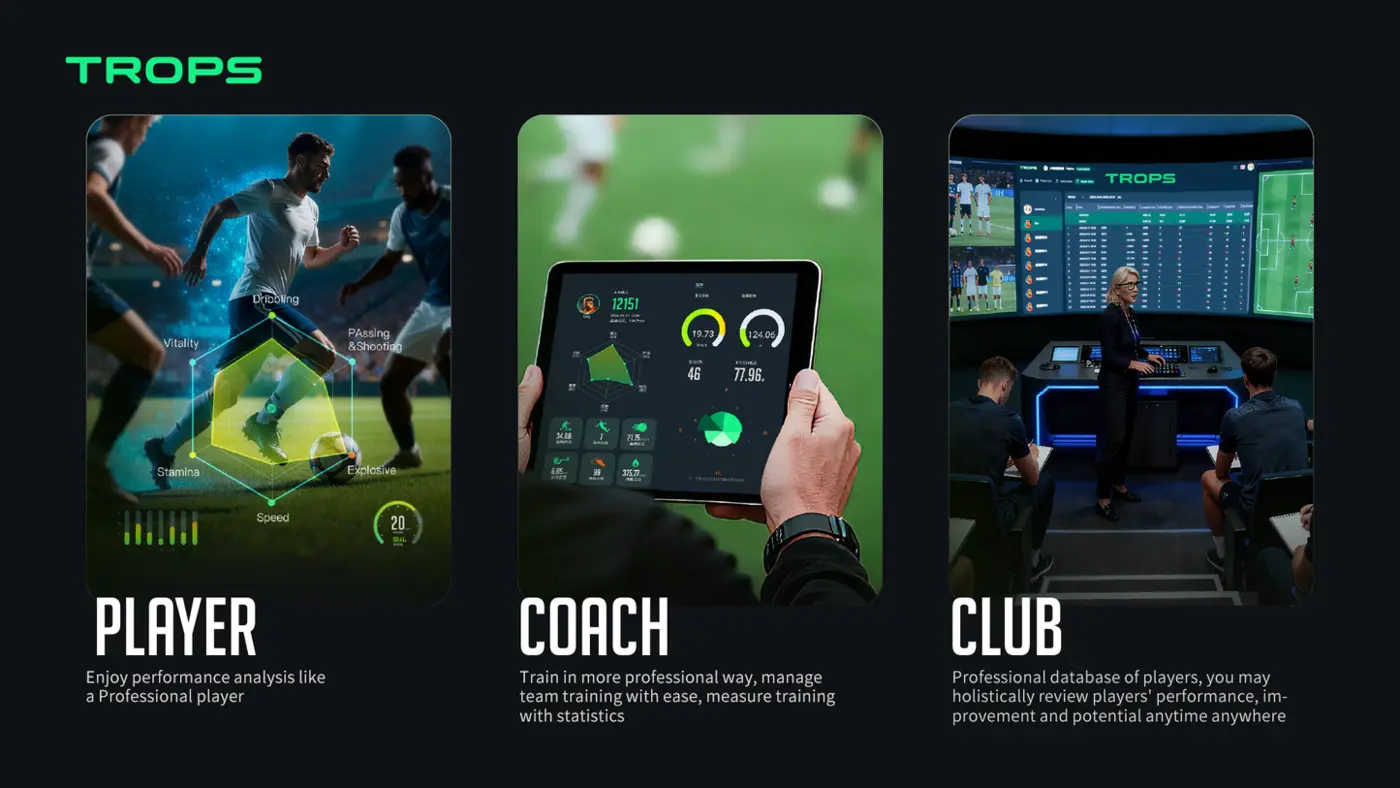
How Wearable Sensors Help Football Academies Develop Players Faster
How football academies use wearable sensors to give objective technical feedback, manage load and fatigue, communicate with parents, and scale player development across squads.
Read →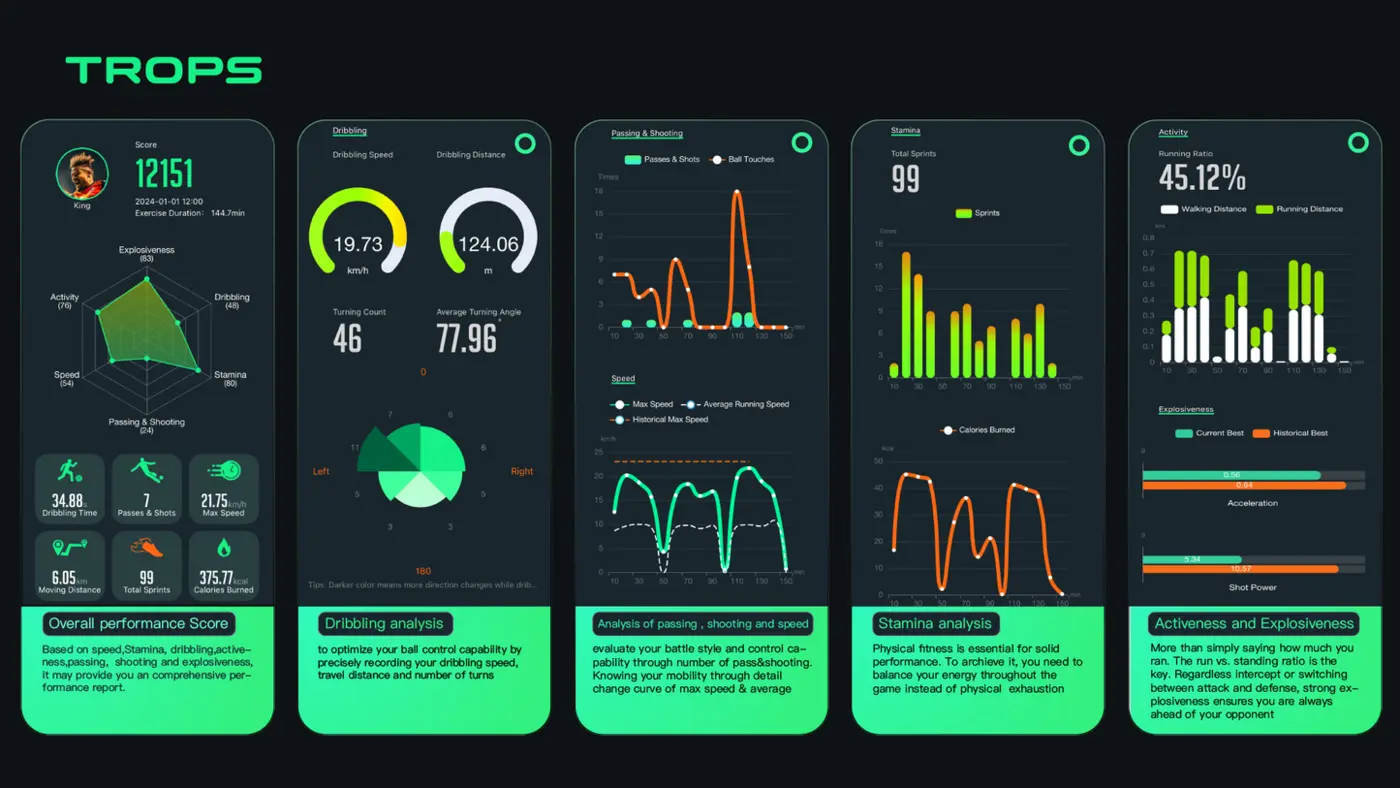
Buying Guide: What to Look for in Football Data Tracking Equipment
A practical buying guide for academies, schools, clubs and distributors comparing football data tracking wearables — accuracy, battery, durability, software, MOQ and support.
Read →