GPS Tracker Durability Guide: Battery, Waterproofing and Care
Key takeaways
- IP66 survives rain, sweat and brief dunks, not washing machine cycles.
- Charge after every session with the supplied charger; avoid heat and store at 50-70%.
- Remove trackers before washing vests; dry charging contacts before docking.
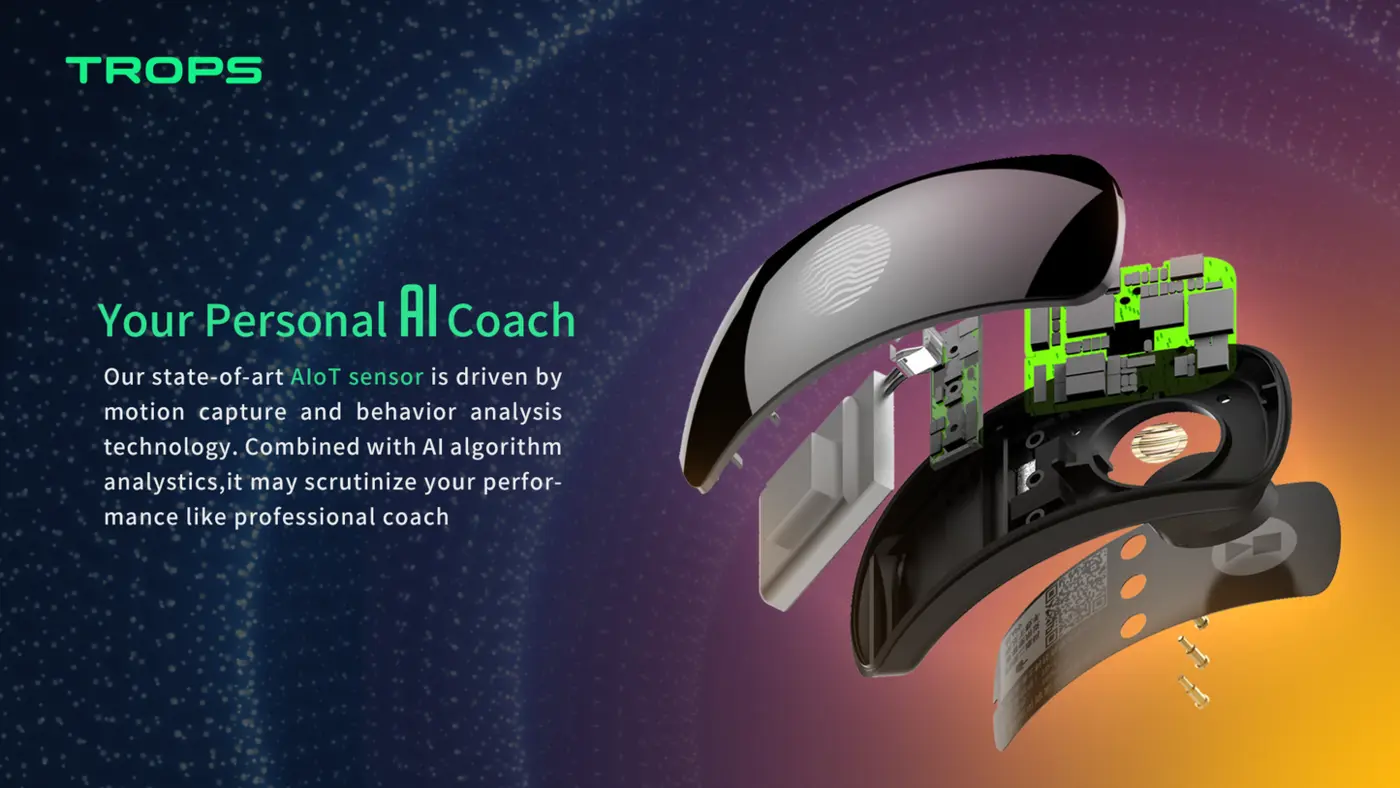
Football GPS trackers get a hard life: kicked balls, muddy pitches, rain, sweat and the washing machine. A tracker is an investment, and how you treat it determines whether it lasts one season or five. Modern trackers pack a 9-axis IMU into a housing that weighs around 25 grams, but all that precision is useless if the device fails mid-season. This guide covers battery care, waterproofing and day-to-day maintenance so your kit keeps producing reliable data.
Understanding IP Ratings: What IP66 Actually Means
IP ratings describe protection against solids and liquids. The first digit covers dust: 6 means fully dust-tight. The second covers water: 7 means protected against immersion in water up to 1 metre for 30 minutes. So an IP66 tracker survives rain, sweat, mud and an accidental dunk — the standard you should expect for football use.
What IP66 does not mean: it is not a licence to leave devices in a washing machine cycle or submerged for hours. The rating protects against accidental immersion, not deliberate abuse. And water resistance degrades over time as seals wear, which is why careful handling still matters.
Battery Care: The Long Game
Battery life is the most common complaint about worn-out trackers, and most battery problems come from charging habits:
- Charge after every session: a modern tracker with around a rechargeable battery life covers training plus a match, but the habit of charging the whole squad overnight keeps devices ready and evens out battery wear.
- Use the supplied charger: the magnetic dock or charging case is designed for the battery chemistry. Third-party cables can overcharge or undercharge.
- Avoid extreme temperatures: do not leave trackers in a hot car or a freezing kit bag for long periods. Heat is the fastest battery killer.
- Store at partial charge: if devices sit unused for weeks (off-season), store them at around 50-70% charge rather than full or empty.
- Replace batteries on schedule: lithium batteries have a finite life. If a tracker that used to last a full session dies at half-time, the battery needs replacing — many manufacturers offer this as a service.
Cleaning and Vest Care
Vests and trackers get filthy. Clean them properly and they last; clean them badly and they fail early.
Trackers
- Wipe the tracker with a damp cloth after muddy sessions. Avoid harsh solvents and abrasive pads.
- Dry the charging contacts before docking — moisture on contacts causes corrosion and charging failures.
- Check the pod seals occasionally for cracks or wear; a damaged seal is how water gets in.
Vests
- Remove the tracker from the vest before washing — always.
- Wash vests in a laundry bag on a gentle cycle with mild detergent; avoid fabric softener, which can clog the fabric and affect fit.
- Air-dry vests rather than tumble-drying, which shrinks and weakens the fabric and pocket.
Storage Between Seasons
When the season ends:
- Clean and fully dry every tracker and vest.
- Charge devices to about 50-70% for storage.
- Store in a cool, dry place — not a damp shed or a hot garage.
- Inventory everything: count trackers, vests and charging units, and log any devices showing wear so replacements are planned before next season, not after a failure.
Firmware and Software Maintenance
Durability is not only physical. Keep the platform and device firmware updated — manufacturers release updates that improve battery management, GPS accuracy and data reliability. Ask your supplier how updates are delivered and whether they are included in the warranty period. AI-generated reports also help you spot a failing device early: a tracker that suddenly logs shorter distances or drops sessions may have a sensor or battery problem worth checking.
Warranty and Support: Ask Before You Buy
The best durability strategy starts at purchase. Before ordering, ask the supplier: What is the warranty period? What happens if a tracker fails mid-season — replacement, repair, turnaround time? Are spare pods, straps and batteries available? A supplier who stocks spares and answers support questions quickly is worth more than a slightly cheaper quote. Also confirm the product's certifications — certification documentation — so you know the hardware was built to regulated standards in the first place.
FAQ
Can GPS trackers go in the washing machine?
No — always remove the tracker before washing the vest. IP66 protects against accidental immersion, not a washing cycle.
How long should a GPS tracker battery last?
Aim for enough for a full training day of use per charge when new. If a tracker regularly dies mid-session, the battery needs replacement.
How do I know if water has damaged a tracker?
Signs include charging failures, erratic data, or a fogged display. If you suspect water ingress, stop using the device and contact the supplier — many will inspect and repair under warranty.
Planning a tracking kit purchase and want to know what support you will get? Get a Quote at runsports.com.cn/contact and our team will explain the warranty, spares and care recommendations for our trackers.
Related reading: What Is a Soccer Foot Tracker and How Does It Improve Youth Training? · How Wearable Sensors Help Football Academies Develop Players Faster · Buying Guide: What to Look for in Football Data Tracking Equipment. For setup questions, talk to our team.
Recommended for your program
Frequently asked questions
What does an IP66 rating actually protect a GPS tracker against?
IP66 means the first digit, 6, is fully dust-tight, and the second digit, 7, means protection against immersion in water up to 1 metre for 30 minutes. That covers rain, sweat, mud and an accidental dunk, but not a washing machine cycle or hours underwater. Seals also wear over time, so careful handling still matters.
What charging habits make football GPS tracker batteries last longer?
Charge after every session using the supplied magnetic dock or charging case, since third-party cables can overcharge or undercharge. Avoid leaving trackers in hot cars or freezing kit bags, because heat is the fastest battery killer. If devices sit unused for weeks in the off-season, store them at around 50-70% charge rather than full or empty.
How should we clean trackers and vests without damaging them?
Wipe trackers with a damp cloth after muddy sessions, avoiding harsh solvents and abrasive pads, and dry the charging contacts before docking to prevent corrosion. Always remove the tracker from the vest before washing. Wash vests in a laundry bag on a gentle cycle with mild detergent, skip fabric softener, and air-dry rather than tumble-dry.
What should we ask a supplier about warranty and spares before buying trackers?
Ask what the warranty period is, and what happens if a tracker fails mid-season: replacement or repair, and turnaround time. Confirm whether spare pods, straps and batteries are available, and check the product's certification documentation certifications. A supplier who stocks spares and answers support questions quickly is worth more than a slightly cheaper quote.
Need help choosing the right equipment?
Talk to Our Export TeamRelated Reading
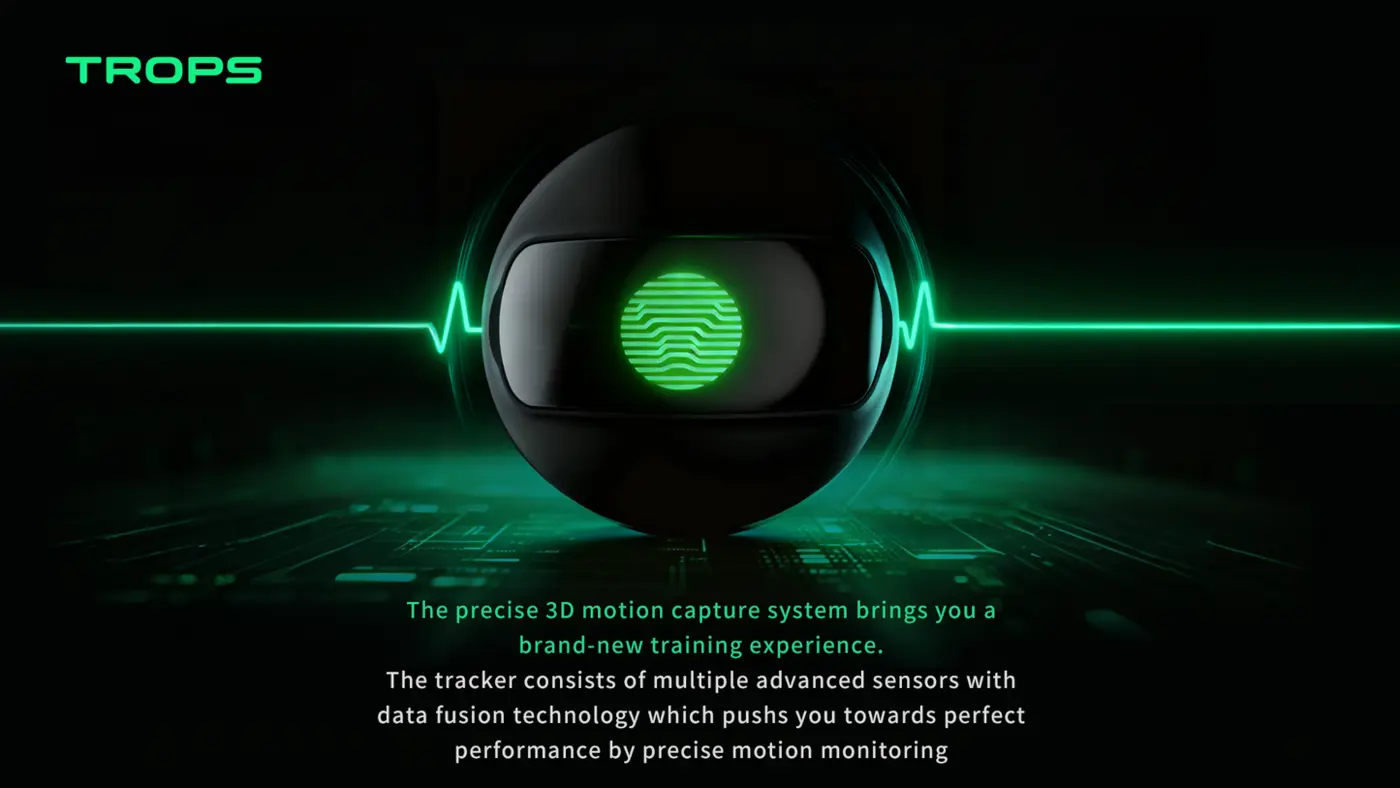
What Is a Soccer Foot Tracker and How Does It Improve Youth Training?
A practical guide to soccer foot trackers: how IMU sensors measure shots, sprints and foot balance, and how academies use the data in daily training.
Read →
How Wearable Sensors Help Football Academies Develop Players Faster
How football academies use wearable sensors to give objective technical feedback, manage load and fatigue, communicate with parents, and scale player development across squads.
Read →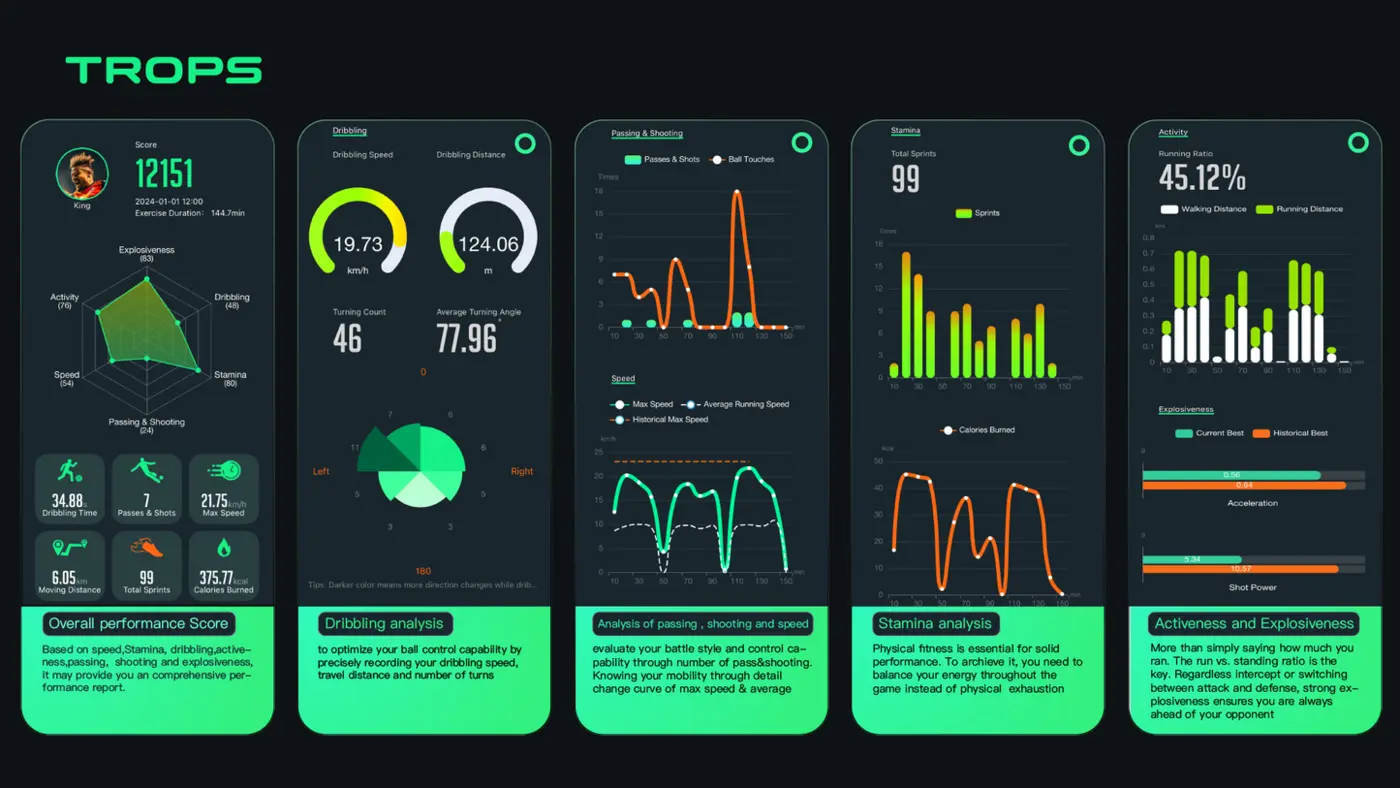
Buying Guide: What to Look for in Football Data Tracking Equipment
A practical buying guide for academies, schools, clubs and distributors comparing football data tracking wearables — accuracy, battery, durability, software, MOQ and support.
Read →