How to Choose a Wearable Supplier: MOQ, OEM and After-Sales Support
Key takeaways
- Ask for tiered MOQs: samples around 10 units, trial batches, then OEM from 100 units.
- Define OEM scope in writing: hardware, packaging, app, firmware and accessories.
- Confirm warranty, firmware updates and a named support channel before signing.
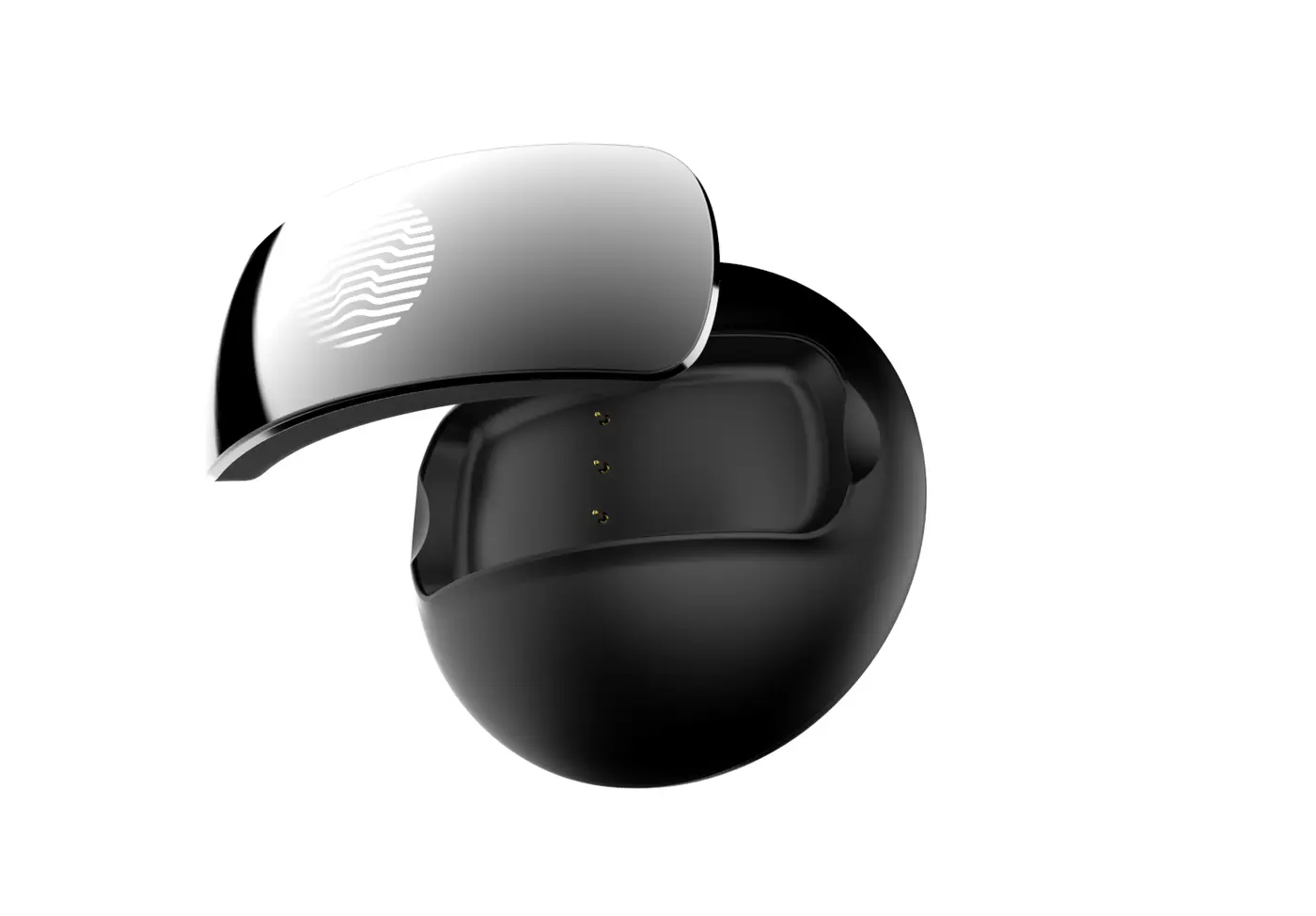
If you are a distributor or sports brand adding football wearables to your catalog, your supplier choice decides your margin, your brand reputation and your support burden. The same is true for academy directors, school PE leads and club coaches buying at team level: the device is only half the purchase — the supply terms behind it determine whether your programme runs smoothly in season two.
This guide walks through the decisions that matter most, in the order you will face them, with checklists you can take into a supplier conversation.
Start With Your Use Case, Not the Spec Sheet
Before comparing suppliers, write down what you actually need the hardware to do. A school PE department running taster sessions, an academy tracking 80 players weekly and a distributor building a private-label brand have very different requirements.
Ask yourself:
- How many players will wear a device, and how often per week?
- Do you need foot-worn data (touches, shots, strike quality, left/right balance) or only running metrics?
- Who reads the data — coaches, PE teachers, parents, or your own customers?
- Will you resell hardware, software, or both?
If you are still deciding between form factors and data types, our explainer on what a soccer foot tracker actually measures is a useful starting point before you contact any supplier.
MOQ: Do the Math
Ask for tiered MOQs: sample orders, small trial batches and standard OEM quantities. A good supplier offers a realistic path from 10 units to 1,000+.
In practice, a sensible structure looks like this: sample orders of around 10 units so you can test fit, durability and data quality with real players; a trial batch sized to one or two squads; then standard OEM quantities from 100 units upward. RunSports follows exactly this ladder — samples from 10 units, OEM from 100 units.
Questions to ask about MOQ
- Is the sample price refundable or credited against a later order?
- Can you mix models or accessories within one trial batch?
- What is the lead time for each tier, and does it change in peak season?
- Are software licences counted per device, per team, or per season?
Common mistakes
The most frequent error is ordering a large first batch to hit a better unit price before validating fit and workflow. A 25 g foot-worn sensor such as the TROPS-1 sits in a ankle, and players notice the difference between a good and a poor fit within one session. Validate first, scale second. Distributors weighing volume against cash flow will find more detail in our distributor opportunity guide.
OEM Scope
Define what “OEM” means in your contract: hardware branding, packaging, app theme, firmware settings, even accessories. Get the scope in writing.
“OEM” is one of the most elastic words in hardware sourcing. To one supplier it means a logo printed on the box; to another it means custom firmware defaults and a branded app experience. Spell out each layer:
- Hardware: logo placement, colour options, sensor housing markings.
- Packaging: retail box design, inserts, manuals, language versions, barcodes.
- App and platform: app name and icon, login screen, colour theme, which reports your customers see first.
- Firmware settings: default sport profiles, session length, data upload behaviour.
- Accessories: socks, shin guard sleeves, charging cables, carry cases.
Also agree who owns the branding assets, what the minimum quantity is for each customisation, and how long a custom SKU stays available. For a deeper walkthrough of private-label routes, see our article on OEM and ODM for football wearable brands.
Quality Control
Ask about factory QC processes, certifications (CE, FCC, RoHS) and what happens to defective units in your market.
Certifications are the entry ticket, not the whole story. You want to understand the process behind them:
- What incoming component checks are performed?
- Is every unit functionally tested before packing, or only sampled?
- How is battery and charging behaviour verified?
- What is the water-resistance rating, and how is it tested? (The TROPS-1 is IP66.)
- What failure rate does the supplier consider normal, and what is the remedy above it?
Ask specifically what happens to defective units in your market: replacement, credit, or return to factory. For a distributor, a clear local replacement policy is often worth more than a small discount. Durability in muddy, cold and wet conditions deserves its own conversation — our GPS tracker durability guide lists the checks worth running during a trial.
A simple trial protocol
- Take 10 units. Assign them to one squad for four to six weeks.
- Record charge cycles, fit complaints, missed sessions and any data gaps.
- Compare reported metrics against what coaches observed in training.
- Test the app and dashboard with the people who will actually use them.
- Only then negotiate the OEM batch.
After-Sales Support
Your end customers will contact you, not the factory. Confirm warranty terms, firmware update frequency and a dedicated support channel with your supplier.
This is where many otherwise good supply relationships fail. Before signing, confirm:
- Warranty length and what it covers — sensor, battery, charging contacts, accessories.
- Firmware update cadence and how updates reach devices (app-pushed, automatic, manual).
- A named support channel — email, WhatsApp or portal — with a stated response window.
- Technical documentation you can reuse: setup guides, FAQ content, troubleshooting flows.
- Spare parts and replacement units held for your region.
For academies and schools, also ask who handles onboarding. The Academy Bundle, for example, pairs sensors with the Team Platform and an onboarding process for 10 to 100+ players, which reduces the burden on your own staff in the first term. Our guide to wearables in academy development covers how to plan that rollout.
Platform and Data Ownership
Hardware without a usable platform becomes shelf stock. Ask where the data lives, who can export it, and what happens if you change supplier. A cloud dashboard with per-player and per-team reports, technical KPIs, load trends and video sync — as offered in the RunSports Team Platform — should let you export raw sessions, not just PDF summaries. Confirm that player data terms meet your own obligations to parents and schools before you commit.
Regional Protection
For exclusive distribution, verify that the supplier can protect your territory from parallel imports.
Ask how units are serialised, whether the supplier sells direct into your market, and what contractual steps apply if another buyer ships into your territory. Get the territory definition in writing — country, channel, or customer type — and set clear performance conditions on both sides.
Supplier Evaluation Checklist
- Tiered MOQ with a workable sample path
- Written OEM scope covering hardware, packaging, app and firmware
- Certification documentation available on request
- Defined defective-unit process for your market
- Warranty terms, firmware cadence and named support contact
- Data export and platform continuity terms
- Territory protection clause for exclusive distributors
- Onboarding support for academy and school rollouts
Where RunSports Fits
RunSports offers all of the above — learn about us or request our distributor pack. The TROPS-1 is a 25 g foot-worn sensor with a 9-axis IMU sampling at high-rate, a rechargeable battery (capacity in the datasheet), Bluetooth 5.0, IP66 protection, and ankle mounting, compatible with iOS and Android, and certified to certification documentation. It measures touches, shots, strike quality, left/right foot balance, sprints, top speed, distance, accelerations and decelerations, and training load.
For buyers comparing categories, our buying guide to football data tracking equipment sets wearables alongside camera and optical systems, and the FAQ answers the questions that come up most often in first conversations.
Next Step
Whether you are a distributor building a catalog, an academy director equipping three squads, or a school planning a PE programme, the fastest way to evaluate a supplier is a short, structured conversation followed by a small trial. Tell us your player numbers, your timeline and whether you need OEM branding, and we will map the right MOQ tier and support package.
Contact the RunSports team to request samples, the distributor pack, or a walkthrough of the Team Platform. You can also reach us on WhatsApp at +86 180 2288 2382.
Recommended for your program
Frequently asked questions
What MOQ structure should I ask a wearable supplier for?
Ask for tiered MOQs: sample orders of around 10 units to test fit, durability and data quality with real players; a trial batch sized to one or two squads; then standard OEM quantities from 100 units upward. Also ask whether sample costs are refundable or credited against a later order.
What should an OEM agreement cover beyond a logo on the box?
Spell out each layer in writing: hardware logo placement and colour options; packaging design, inserts, manuals and language versions; app name, icon and theme; firmware defaults such as sport profiles and upload behaviour; and accessories like socks, sleeves and cases. Also agree who owns branding assets and the minimum quantity per customisation.
How do I test wearable units before committing to a larger order?
Take 10 units, assign them to one squad for four to six weeks, and record charge cycles, fit complaints, missed sessions and data gaps. Compare reported metrics against what coaches observed, and test the app with the people who will actually use it. Only then negotiate the OEM batch.
What after-sales terms should I confirm with a supplier?
Confirm warranty length and what it covers (sensor, battery, charging contacts, accessories), firmware update cadence and how updates reach devices, a named support channel with a stated response window, technical documentation you can reuse, and spare parts or replacement units held for your region. For schools and academies, also ask who handles onboarding.
Need help choosing the right equipment?
Talk to Our Export TeamRelated Reading
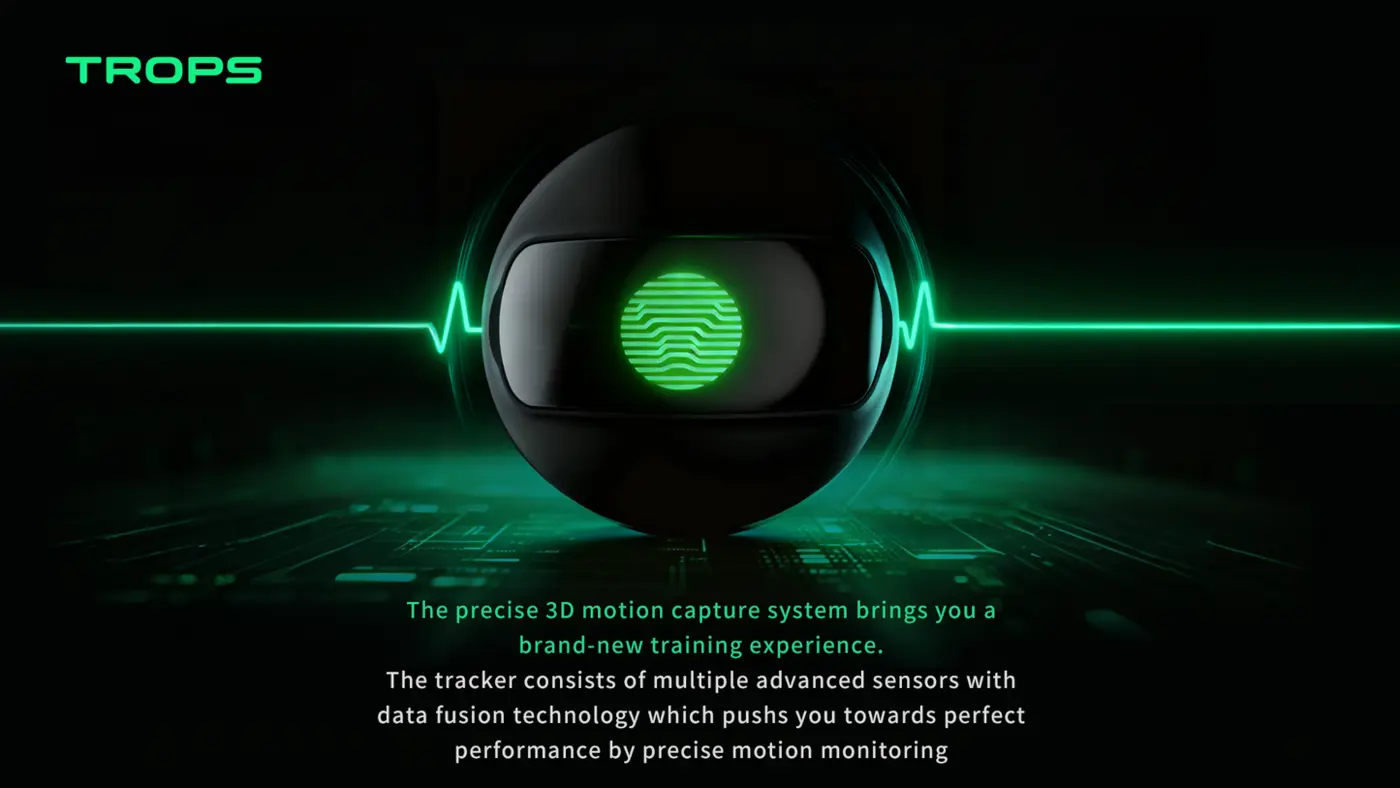
What Is a Soccer Foot Tracker and How Does It Improve Youth Training?
A practical guide to soccer foot trackers: how IMU sensors measure shots, sprints and foot balance, and how academies use the data in daily training.
Read →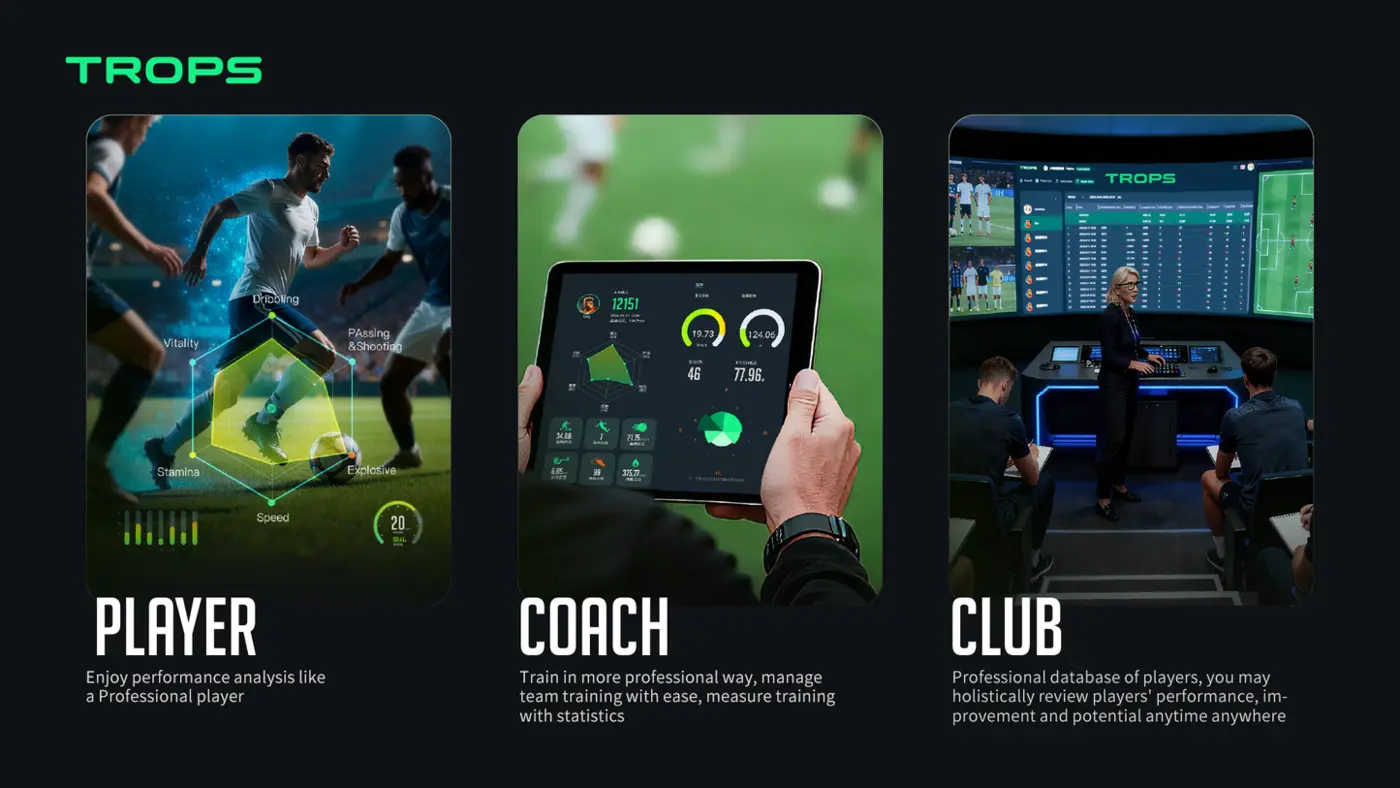
How Wearable Sensors Help Football Academies Develop Players Faster
How football academies use wearable sensors to give objective technical feedback, manage load and fatigue, communicate with parents, and scale player development across squads.
Read →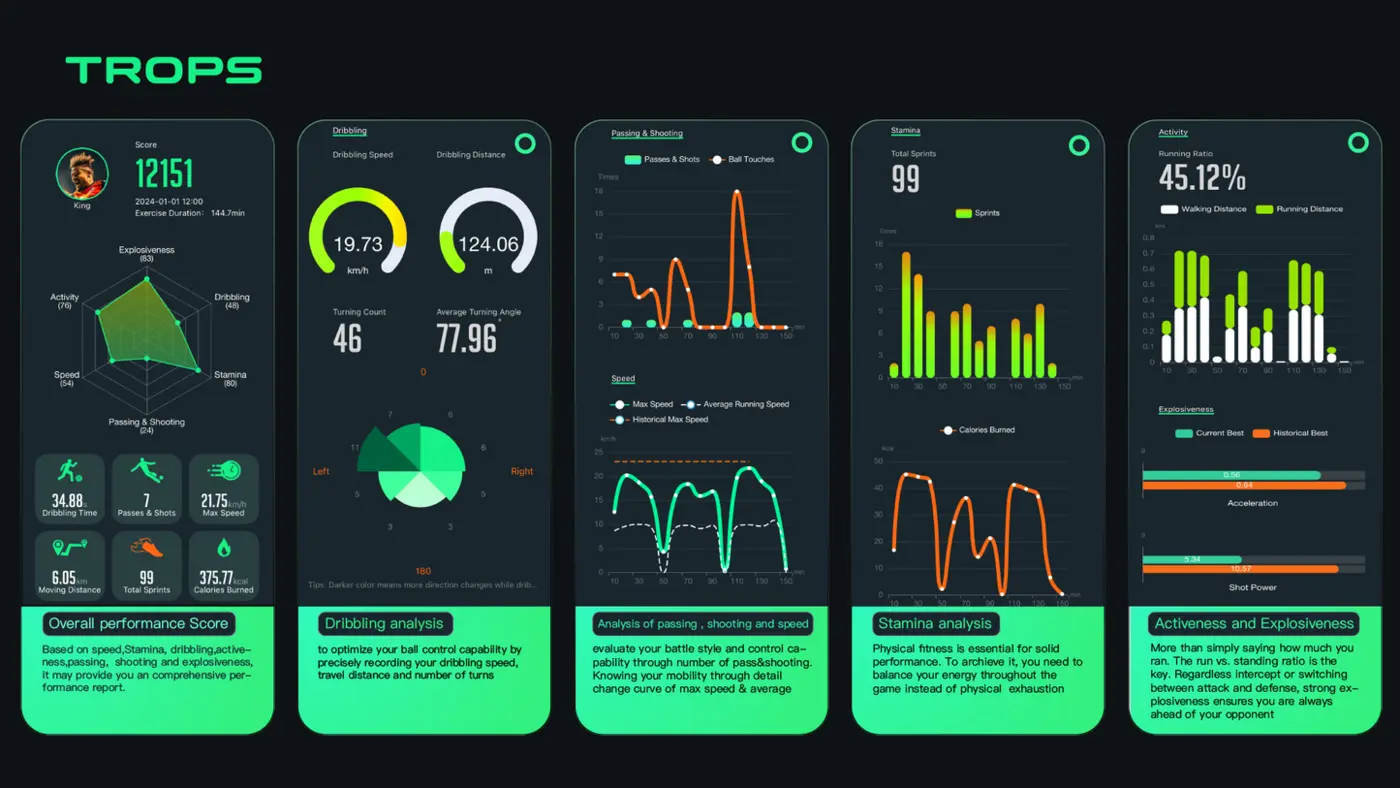
Buying Guide: What to Look for in Football Data Tracking Equipment
A practical buying guide for academies, schools, clubs and distributors comparing football data tracking wearables — accuracy, battery, durability, software, MOQ and support.
Read →