Soccer Tracking on a Small-Club Budget: What to Buy First
Key takeaways
- Buy wearables players will actually wear before anything else.
- First software tier should answer: who is overloaded, who is improving.
- Start with 10–20 devices for one age group, then expand.
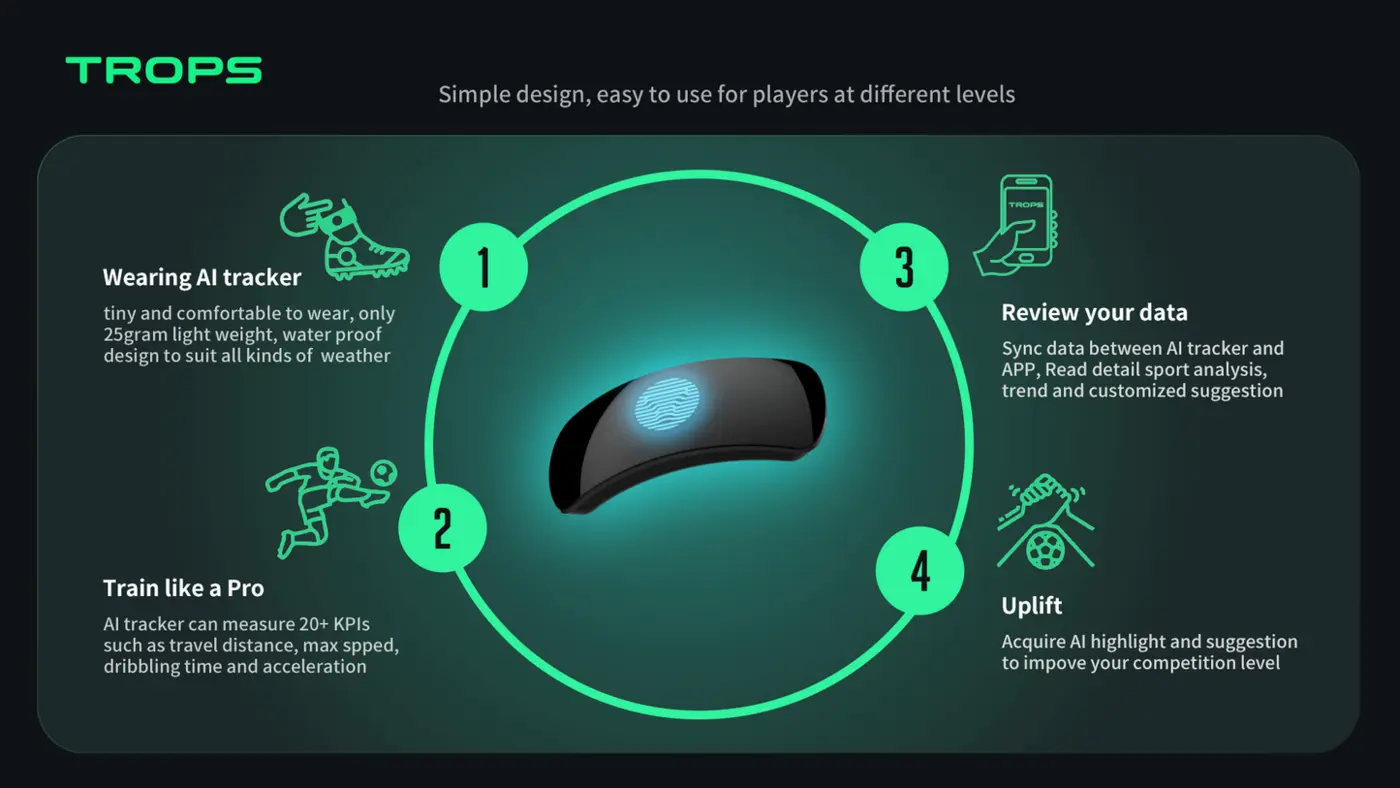
Small clubs rarely have a technology budget line. When money appears, it usually comes with a condition: show something useful within a season. That changes the buying order. Buy the thing that produces decisions, not the thing with the longest feature list.
First: sensors your players will actually wear
Everything downstream depends on the device being on the pitch. Priorities, in order:
- Comfort and fit for your youngest age group — if U12 players find it annoying, adoption collapses.
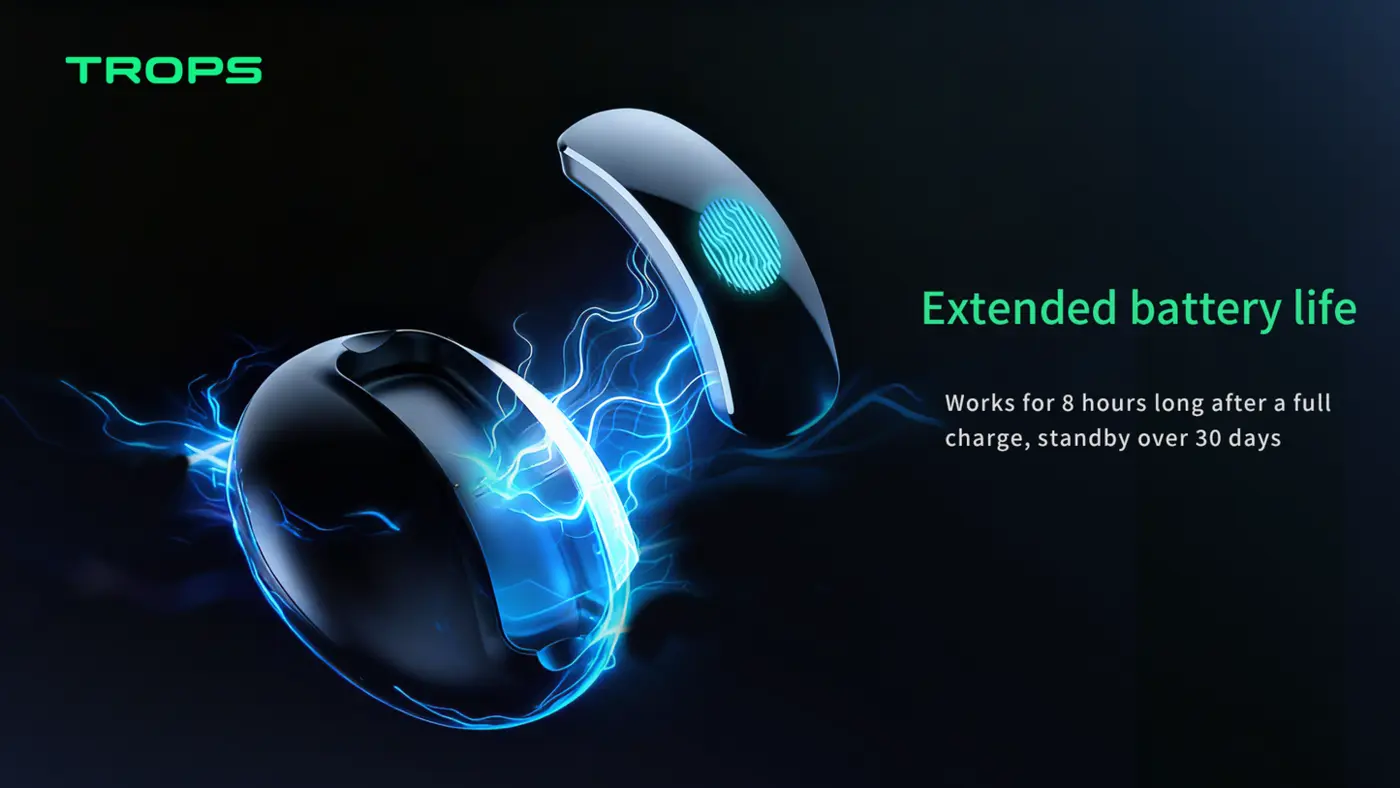
- Battery that covers a full training week without midweek charging chaos.
- Water and impact resistance suitable for real weather and real tackles.
- Simple assignment — a coach should be able to hand out devices in minutes.
Sample rate and sensor precision matter, but only after the device survives a season. A high-rate sensor that sits in a drawer produces no data.
Second: one coach-facing report
Raw metrics are not a product. The first paid software tier you need is the one that answers: who is overloaded, who is improving, and what should change in the next session. Anything else — video sync, parent dashboards, API access — is a second-year purchase.
If budget only allows hardware, ask whether the supplier includes a basic reporting sheet or app. If not, factor that cost in from the start instead of discovering it in month two. Our team platform exists for exactly this layer.
Third: a starter quantity, not a full rollout
Buy for one age group. Ten to twenty devices covers a full squad plus spares, and it keeps the operational load manageable while staff learn the routine. Expand once the workflow is stable — not before.
When you do expand, ask for consistent hardware across age groups. Mixed generations make comparisons unreliable and complicate support.
What you can safely skip in year one
- Live in-match streaming — useful for elite analysis, rarely used by grassroots coaches week to week.
- Custom dashboards — you will not know what you want until you have three months of your own data.
- Multi-sport modules — unless another sport in your club will genuinely use them.
- Parent-facing apps — nice for engagement, but they do not improve training decisions.
Questions that reveal real cost
Ask every supplier the same four questions:
- What is the all-in price for 15 devices, including straps, charging and shipping?
- Is the software subscription per player or per team?
- What happens after year one if we do not renew?
- Who handles replacement of a damaged unit, and at what cost?
Clubs often compare unit price and ignore the three-year total. A cheaper device with a per-player subscription and paid replacements can cost more than a bundle. That is why we quote complete kits rather than devices alone.
A realistic first-season target
With one age group and a basic report, a small club can expect to change a handful of training decisions per month: shortening a high-load week, resting a player showing a downward trend, or adjusting a drill that produces no sprint work. That is a legitimate return on a small budget. Expecting professional-club analytics in year one is how clubs end up with unused hardware.
If you tell us your age groups and player numbers, we can propose the smallest configuration that still produces useful reports — request a quote.
Recommended for your program
Frequently asked questions
What should a small club buy first for soccer tracking?
Buy sensors your players will actually wear. Prioritise comfort and fit for your youngest age group, battery life covering a full training week, water and impact resistance, and simple assignment so coaches can hand out devices in minutes. A high sample rate only matters after the device survives a season on the pitch.
What software do we need in year one?
Only one coach-facing report that answers who is overloaded, who is improving, and what should change in the next session. Video sync, parent dashboards and API access are second-year purchases. If budget only allows hardware, check whether the supplier includes a basic reporting sheet or app, and factor that cost in from the start.
How many devices should we buy for a first season?
Buy for one age group. Ten to twenty devices covers a full squad plus spares and keeps operational load manageable while staff learn the routine. Expand once the workflow is stable, and request consistent hardware across age groups because mixed generations make comparisons unreliable and complicate support.
What costs should we ask suppliers about before buying?
Ask four questions: the all-in price for 15 devices including straps, charging and shipping; whether the software subscription is per player or per team; what happens after year one if you do not renew; and who handles replacement of a damaged unit and at what cost. Compare three-year totals, not unit price alone.
Need help choosing the right equipment?
Talk to Our Export TeamRelated Reading
Run a 30-Day Soccer Tracking Pilot: Step-by-Step
A low-risk way to test player tracking before committing budget: pick 10 players, set baselines, review weekly, and decide with data.
Read →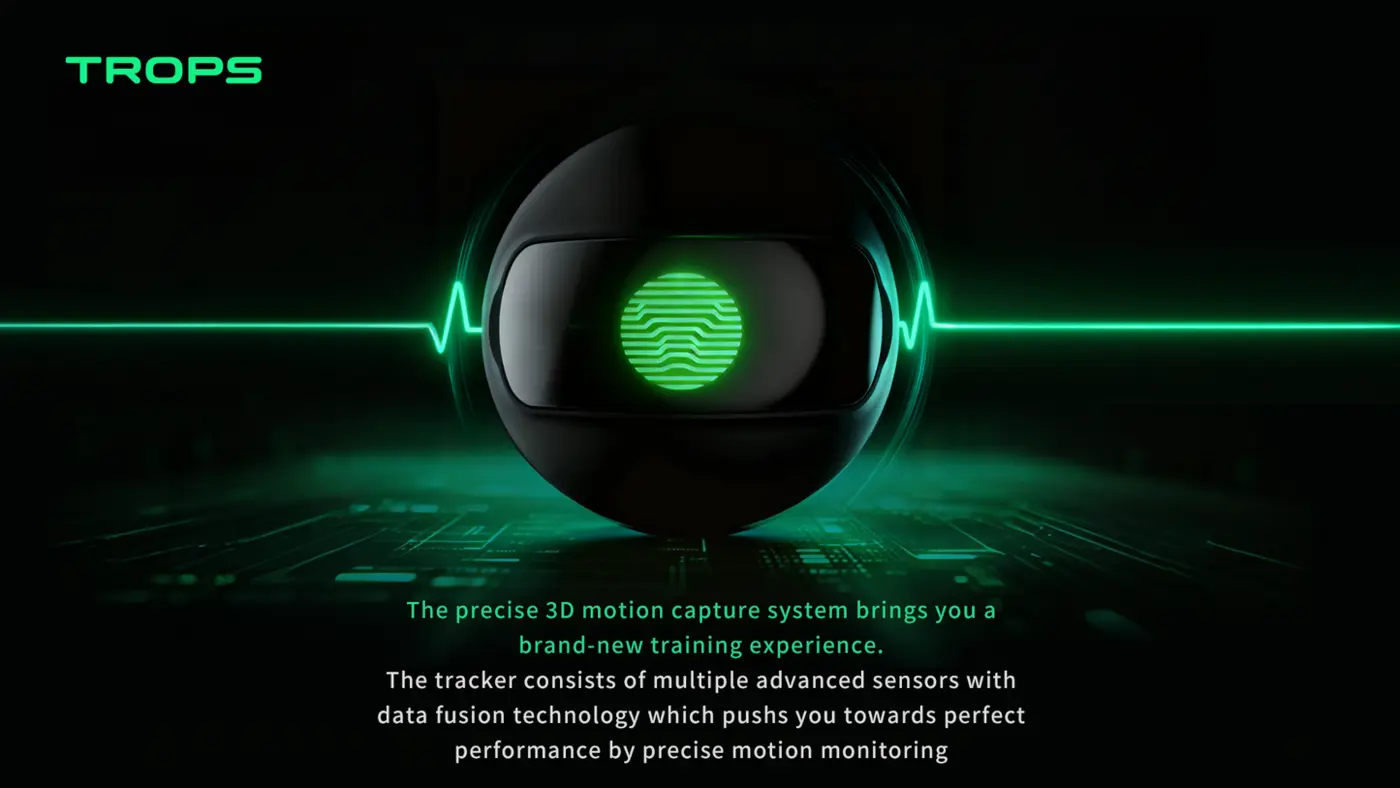
What Is a Soccer Foot Tracker and How Does It Improve Youth Training?
A practical guide to soccer foot trackers: how IMU sensors measure shots, sprints and foot balance, and how academies use the data in daily training.
Read →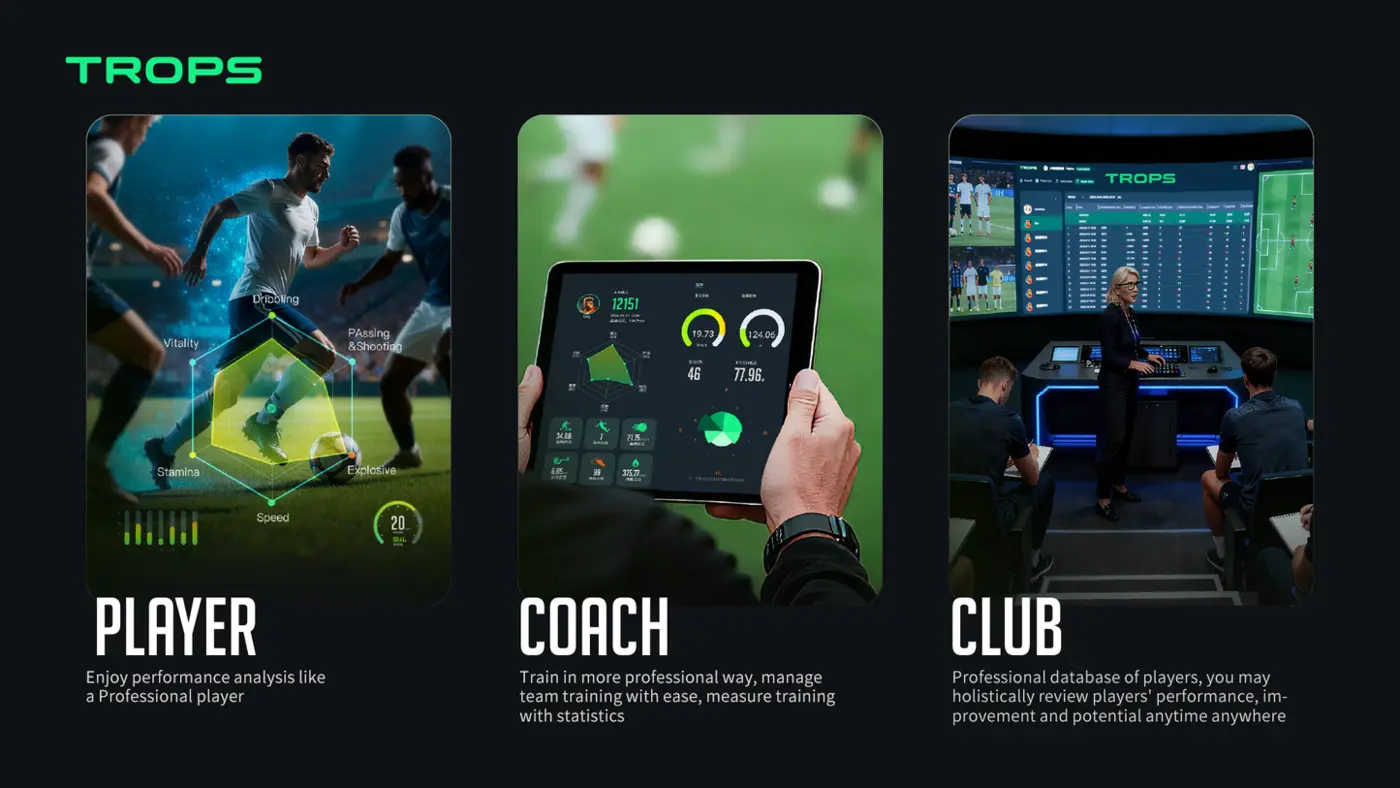
How Wearable Sensors Help Football Academies Develop Players Faster
How football academies use wearable sensors to give objective technical feedback, manage load and fatigue, communicate with parents, and scale player development across squads.
Read →