Run a 30-Day Soccer Tracking Pilot: Step-by-Step
Key takeaways
- Define the decision the pilot must answer before buying any hardware.
- Run 10 players for 30 days; track adoption, coach usage and actions taken.
- A good pilot ends with a rollout plan, not just interesting data.
Most clubs that abandon player tracking do not fail because the technology is bad. They fail because they buy 60 units before anyone has agreed what "working" looks like. A 30-day pilot fixes that: small group, clear questions, one decision at the end.
Week 0 — Define the decision you are trying to make
Write down the question the pilot must answer. Good examples:
- "Are our U15 midfielders carrying too much high-speed load in back-to-back sessions?"
- "Can our coaches produce a useful session report in under 15 minutes?"
- "Will players actually wear the sensors without being reminded?"
If the question is only "is the hardware accurate?", you will finish the month with an answer nobody can act on.
Week 1 — Pick 10 players, not the whole squad
Choose one age group and 10 players who train consistently. Include two or three different positions so the data is comparable across roles. Keep the same group for the full month.
Record a baseline in the first two sessions: total distance, high-speed running, sprint count, and how players rated their own effort. The baseline matters more than absolute numbers — you are looking for change, not for a benchmark from a professional club.
Week 2 — Put the data in front of coaches, not spreadsheets
The pilot fails if the only output is a CSV. Every session should end with one page the coach can read in three minutes:
- Who exceeded their usual load by more than 20%?
- Who is trending down for three sessions in a row?
- Which drill produced the most sprint work?
If your supplier cannot produce that view automatically, that is a finding — and a reason to look at a team analytics platform rather than raw sensors alone.
Week 3 — Test the boring parts
Hardware demos are easy. Operations are not. In week three, deliberately stress the workflow:
- Who charges the sensors, and where?
- What happens when a player forgets a device?
- Can a coach assign devices in under five minutes?
- Does the data survive a rainy session (IP rating, strap wear)?
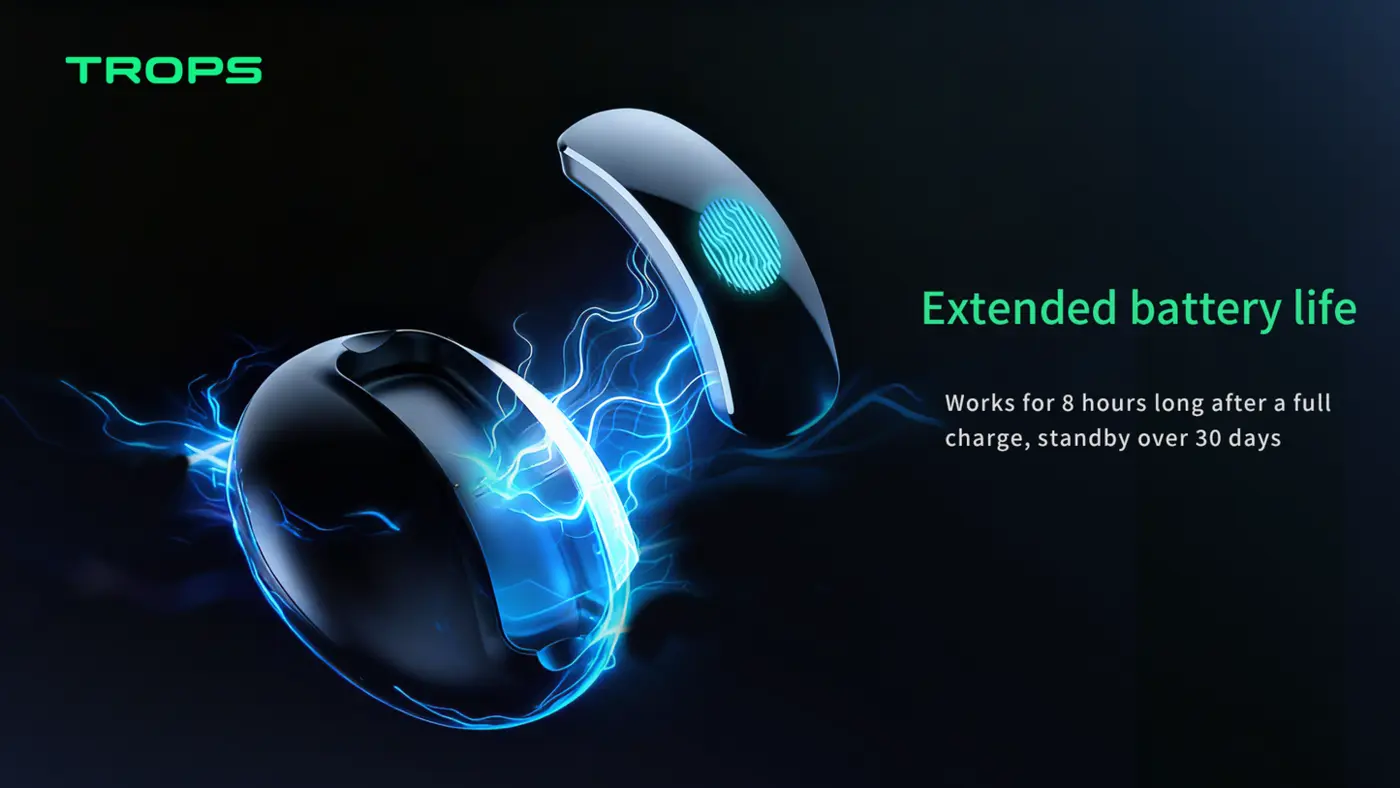
This is where cheap devices usually lose. Ask suppliers for battery and waterproofing details before the pilot, then verify them in practice.
Week 4 — Decide with three numbers
At the end of the month, put three numbers on one page:
- Adoption: percentage of sessions where every selected player was tracked.
- Coach usage: percentage of sessions where the report was actually opened.
- Action taken: number of training decisions changed because of the data (a session shortened, a player rested, a drill modified).
If adoption and coach usage are high but no decisions changed, the problem is the reporting layer. If adoption is low, the problem is the hardware or the routine. Both are fixable — but only if you measure them separately.
Budgeting the pilot
You do not need a full squad kit for a pilot. Ten sensors and one team account are enough. Ask suppliers for a trial or demo unit arrangement; many will support a short pilot because it shortens their own sales cycle. Compare options in our product range or read the 10-feature buying guide before you shortlist.
What a good outcome looks like
A successful pilot does not end with "the data is interesting". It ends with a rollout plan: which age groups get devices first, who owns the workflow, and what the coach-facing report must contain. That plan is what you take to a supplier for pricing — and it is also what protects you from buying more hardware than your staff can actually use.
Need help scoping a pilot? Tell us your squad size and goals and we will propose a configuration.
Recommended for your program
Frequently asked questions
How many players do we need for a 30-day soccer tracking pilot?
Ten players from one age group is enough, as long as they train consistently and include two or three different positions so data is comparable across roles. Keep the same group for the full month. You do not need a full squad kit; ten sensors and one team account are sufficient.
What should we measure to judge whether the pilot worked?
Put three numbers on one page at the end: adoption (percentage of sessions where every selected player was tracked), coach usage (percentage of sessions where the report was actually opened), and action taken (number of training decisions changed because of the data). Measuring these separately shows whether the problem is hardware, routine or reporting.
What should coaches actually receive from the tracking data?
Every session should end with a one-page report a coach can read in three minutes. It should show who exceeded their usual load by more than 20%, who is trending down for three sessions in a row, and which drill produced the most sprint work. If your supplier cannot produce that automatically, consider a team analytics platform rather than raw sensors alone.
What operational issues should we test during the pilot?
Deliberately stress the workflow in week three: who charges the sensors and where, what happens when a player forgets a device, whether a coach can assign devices in under five minutes, and whether data survives a rainy session. Ask suppliers for battery and waterproofing details before the pilot, then verify them in practice.
Need help choosing the right equipment?
Talk to Our Export TeamRelated Reading
Soccer Tracking on a Small-Club Budget: What to Buy First
Where limited budgets actually pay off in player tracking — and which features you can safely skip in the first year.
Read →
What Is a Soccer Foot Tracker and How Does It Improve Youth Training?
A practical guide to soccer foot trackers: how IMU sensors measure shots, sprints and foot balance, and how academies use the data in daily training.
Read →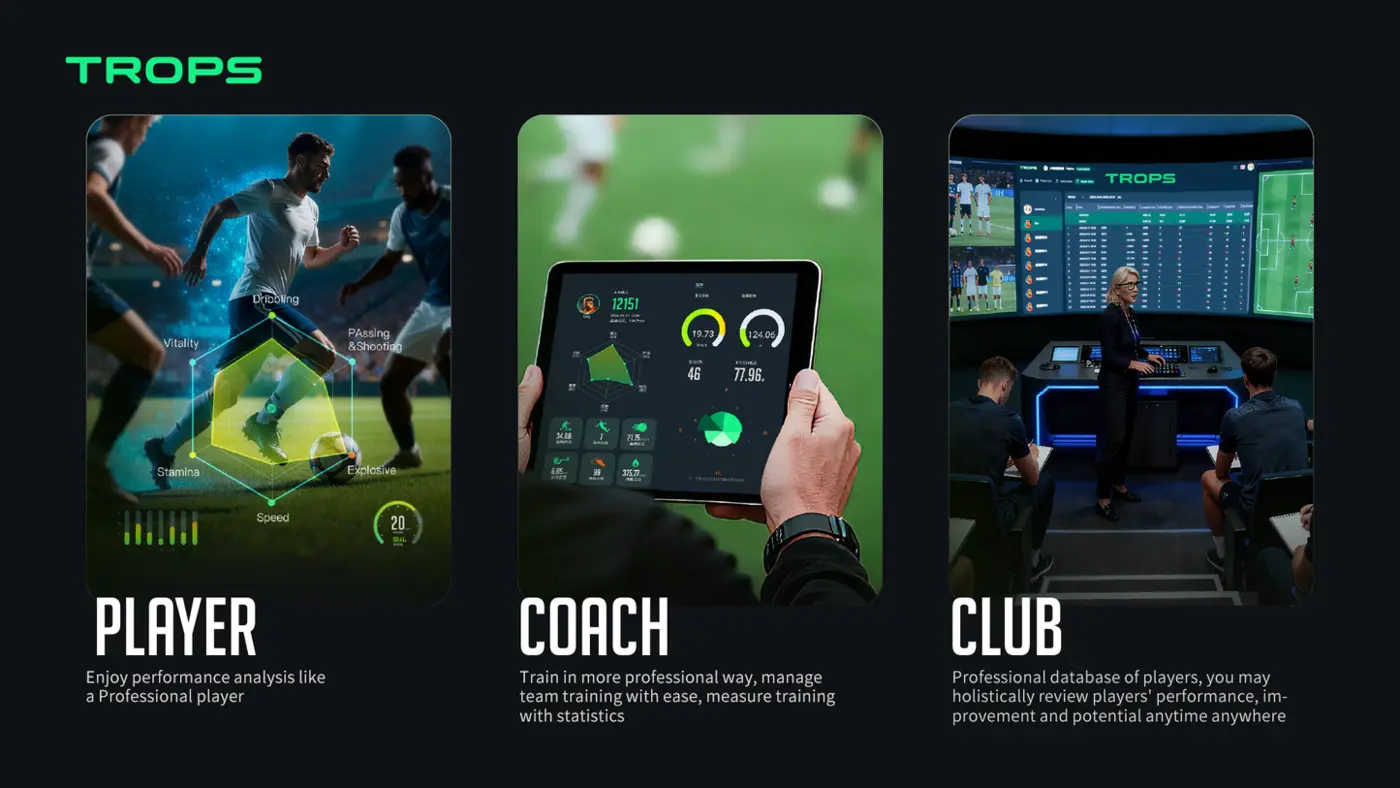
How Wearable Sensors Help Football Academies Develop Players Faster
How football academies use wearable sensors to give objective technical feedback, manage load and fatigue, communicate with parents, and scale player development across squads.
Read →