Soccer GPS Tracker Price: What Drives the Cost
Key takeaways
- Total cost includes hardware, software seats, accessories, shipping and support.
- Software can be priced per seat, per team licence, or bundled with hardware.
- RunSports sets sample orders from 10 units and OEM orders from 100 units.
A soccer GPS tracker price is rarely a single number on a single invoice. For academies, schools, clubs and distributors, the real cost of putting tracking technology into a programme is the sum of several parts: the sensor hardware, the software seats that make the data usable, the accessories that keep devices on players, shipping and import costs, and the support that keeps everything running across a season. Understanding each element helps you compare quotes fairly and build a budget that reflects how you will actually use the system.
This guide breaks down those cost drivers without quoting specific prices, and gives you the questions to ask any supplier before you commit.
1. Sensor Hardware: The Core of the Cost
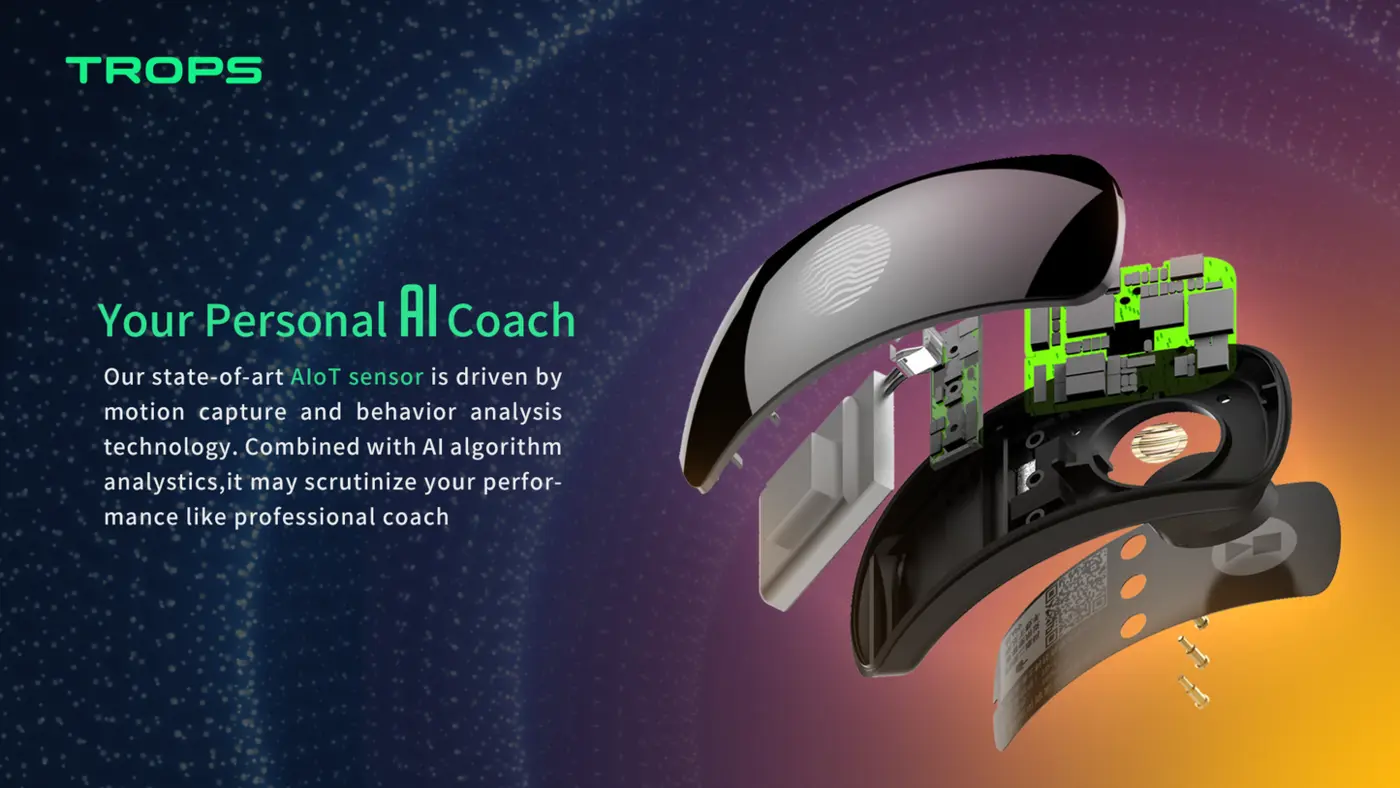
The tracker itself is usually the largest line item, and its specification explains much of the difference between one quote and another. A unit like the TROPS-1 combines a 25 g foot-worn sensor measuring 40x32x14 mm with a 9-axis IMU sampling at high-rate, a rechargeable battery (capacity in the datasheet), Bluetooth 5.0 and IP66 waterproofing. It is worn at the ankle, left or right, and works with iOS and Android, carrying certification documentation certification.
When comparing hardware costs, look beyond the headline unit figure:
- Sensor specification: sampling rate, battery life and waterproof rating all affect build cost.
- Charging design: magnetic USB charging that reaches full in about 1.5 hours reduces cable wear and replacement spend.
- Metrics delivered: the S1 measures ball touches, shot count, strike quality, foot identification, left/right foot balance, sprints, top speed, distance, accelerations and decelerations, and training load. Confirm which of these you need so you do not overpay for capability you will not use.
- Certification: certification documentation compliance matters for schools and distributors shipping into regulated markets.
Quantity also changes unit economics. Many suppliers, including RunSports, set sample orders from 10 units and OEM orders from 100 units, so the size of your first order is itself a cost lever.
2. Software Seats and Platform Access
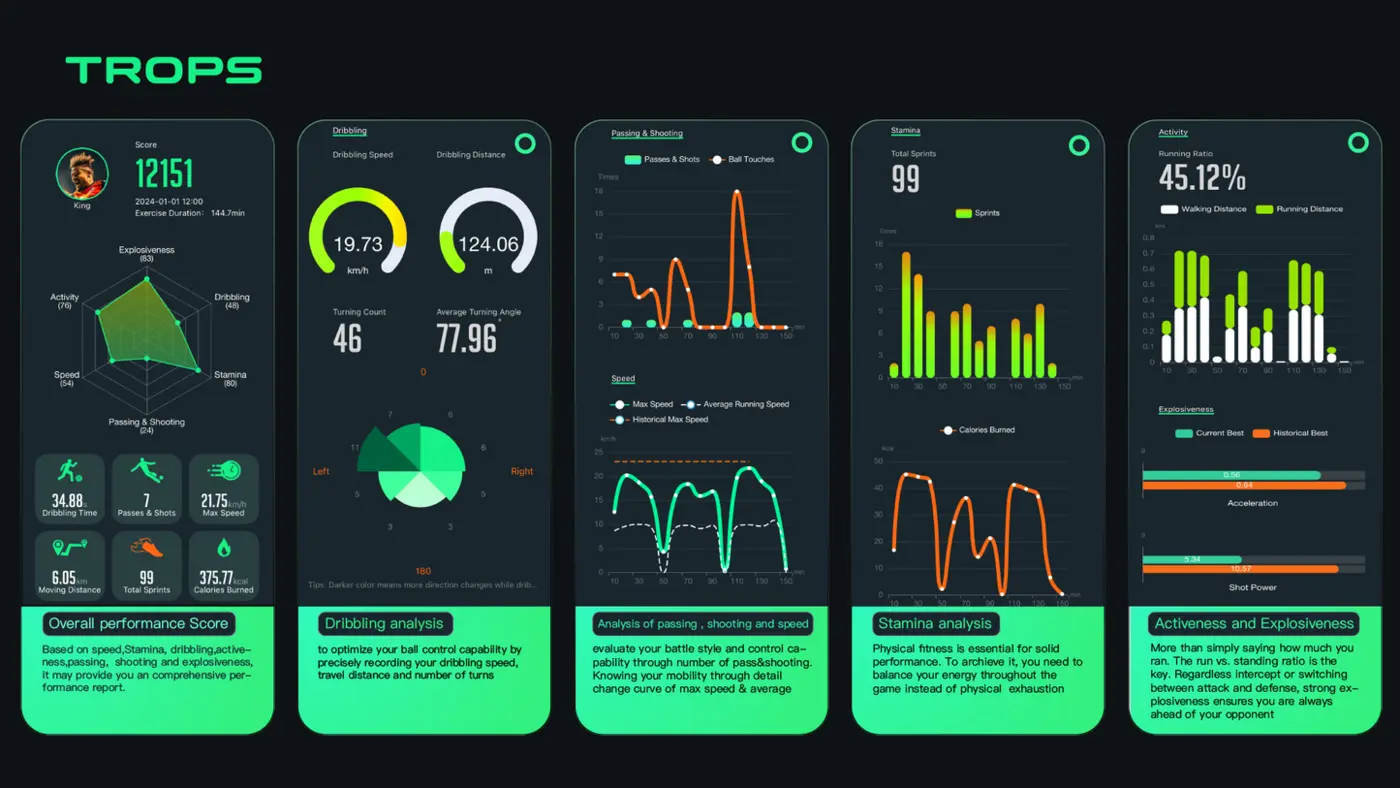
Hardware without software is just a sensor. The RunSports Team Platform provides a cloud dashboard with per-player and per-team reports, technical KPIs, training load tracking, progress trends, video sync and multi-player management. How a supplier charges for this access is one of the most important cost questions you can ask.
Common models include a fee per player seat, a flat team or club licence, or software bundled into the hardware price. Each model behaves differently as you scale:
- Per-seat pricing grows with squad size, so a school with several year groups may pay more than a single team.
- Team or club licences can be more predictable for academies running multiple age groups.
- Bundled software simplifies budgeting but may limit how many users can access reports.
Ask how many coach logins are included, whether analyst or director accounts cost extra, and what happens to historical data if you pause a subscription. For a wider view of how these systems fit into a club, see our guide to how wearables help academies develop players.
3. Accessories and Day-to-Day Consumables
Accessories are easy to overlook and can quietly add to the total cost of ownership. Foot-worn sensors need a reliable way to stay attached during sessions. Consider:
- Mounting solutions: sock pouches or shin-guard fittings, and whether replacements are needed as players grow or kit wears out.
- Charging hardware: magnetic USB cables and multi-device charging setups for squads charging many units at once.
- Storage and transport: cases that protect sensors between sessions and during travel.
- Spares: a small buffer of replacement units so a single failure does not sideline a player.
Ask suppliers which accessories are included in the box, which are optional, and how replacement parts are priced and shipped.
4. Shipping, Import and Logistics
Where a supplier is based shapes the landed cost. RunSports is based in Dongguan, China, and ships worldwide, so freight, customs duties and taxes will vary by destination. When budgeting, factor in:
- Freight method: courier, air or sea, each with different speed and cost trade-offs.
- Duties and taxes: confirmed with your own customs broker for your market.
- Order size: larger orders can improve freight economics per unit, but tie up more capital.
- Lead times: plan around production and transit so kit arrives before pre-season.
For distributors, these logistics questions sit alongside range planning. Our article on the football wearable distributor opportunity explores how to think about stock and positioning.
5. Support, Onboarding and After-Sales
Support is a genuine cost driver, whether it is priced separately or bundled. The RunSports Academy Bundle pairs sensors with the team platform and onboarding for squads of 10 to 100+ players, which matters for clubs that need coaches trained quickly. Ask suppliers:
- What onboarding is included, and in what format?
- What warranty terms apply, and how are faulty units handled?
- Which languages are supported for enquiries? RunSports handles English, Chinese, Arabic, Spanish, Portuguese, French, German, Japanese, Korean, Thai, Vietnamese and Malay.
- Is firmware updated remotely, and at what cost?
How to Build a Realistic Budget
- Define the programme. Count players, teams and coaches who will use the system now and in two seasons.
- Separate one-off and recurring costs. Hardware and accessories are typically one-off; software and support may recur.
- Model total cost of ownership. Add hardware, software seats, accessories, shipping and support across a full season.
- Plan for growth. Confirm how pricing changes when you add teams or players.
- Pilot before scaling. A small trial reveals real accessory and support needs. Our guide to running a soccer tracking pilot programme walks through the steps.
Questions to Ask Any Supplier
- What exactly is included in the quoted unit price?
- How is software priced, and how many users does it cover?
- What are the minimum order quantities for samples and OEM orders?
- What are the warranty and replacement terms?
- What are the shipping terms, duties and estimated lead times?
- Can you provide documentation for certification documentation compliance?
- What onboarding and training is included?
For OEM and ODM buyers, custom colour, logo, packaging, app branding and firmware tuning are available from 100 units, which changes the cost structure compared with buying standard product. Our article on choosing a wearable supplier for MOQ and OEM covers this in more detail.
Next Steps
Cost is ultimately about fit: the right hardware, the right number of software seats and the right level of support for your programme. Compare specifications carefully, ask the questions above, and request a quote based on your actual squad size and plans.
To discuss your requirements, contact the RunSports team via WhatsApp on +86 180 2288 2382 or email gzadang@163.com. You can also browse the full product range to see how the S1, team platform and academy bundle fit together.
Recommended for your program
Frequently asked questions
What makes up the total cost of a soccer GPS tracker programme?
The total is the sum of several parts: sensor hardware, software seats that make data usable, accessories that keep devices on players, shipping and import costs, and support across a season. Understanding each element helps you compare quotes fairly and build a budget reflecting how you will actually use the system.
How do suppliers charge for the software platform?
Common models include a fee per player seat, a flat team or club licence, or software bundled into the hardware price. Per-seat pricing grows with squad size, team or club licences can be more predictable for academies with multiple age groups, and bundled software simplifies budgeting but may limit how many users can access reports.
What accessories add to the cost of ownership?
Foot-worn sensors need mounting solutions such as sock pouches or shin-guard fittings, plus replacements as players grow or kit wears out. Also consider charging hardware like magnetic USB cables and multi-device setups, storage and transport cases, and a small buffer of spare units so one failure does not sideline a player.
What should I ask a supplier about support and onboarding?
Ask what onboarding is included and in what format, what warranty terms apply and how faulty units are handled, which languages are supported for enquiries, and whether firmware is updated remotely and at what cost. RunSports handles enquiries in English, Chinese, Arabic, Spanish, Portuguese, French, German, Japanese, Korean, Thai, Vietnamese and Malay.
Need help choosing the right equipment?
Talk to Our Export TeamRelated Reading
Buying Guide: What to Look for in Football Data Tracking Equipment
A practical buying guide for academies, schools, clubs and distributors comparing football data tracking wearables — accuracy, battery, durability, software, MOQ and support.
Read →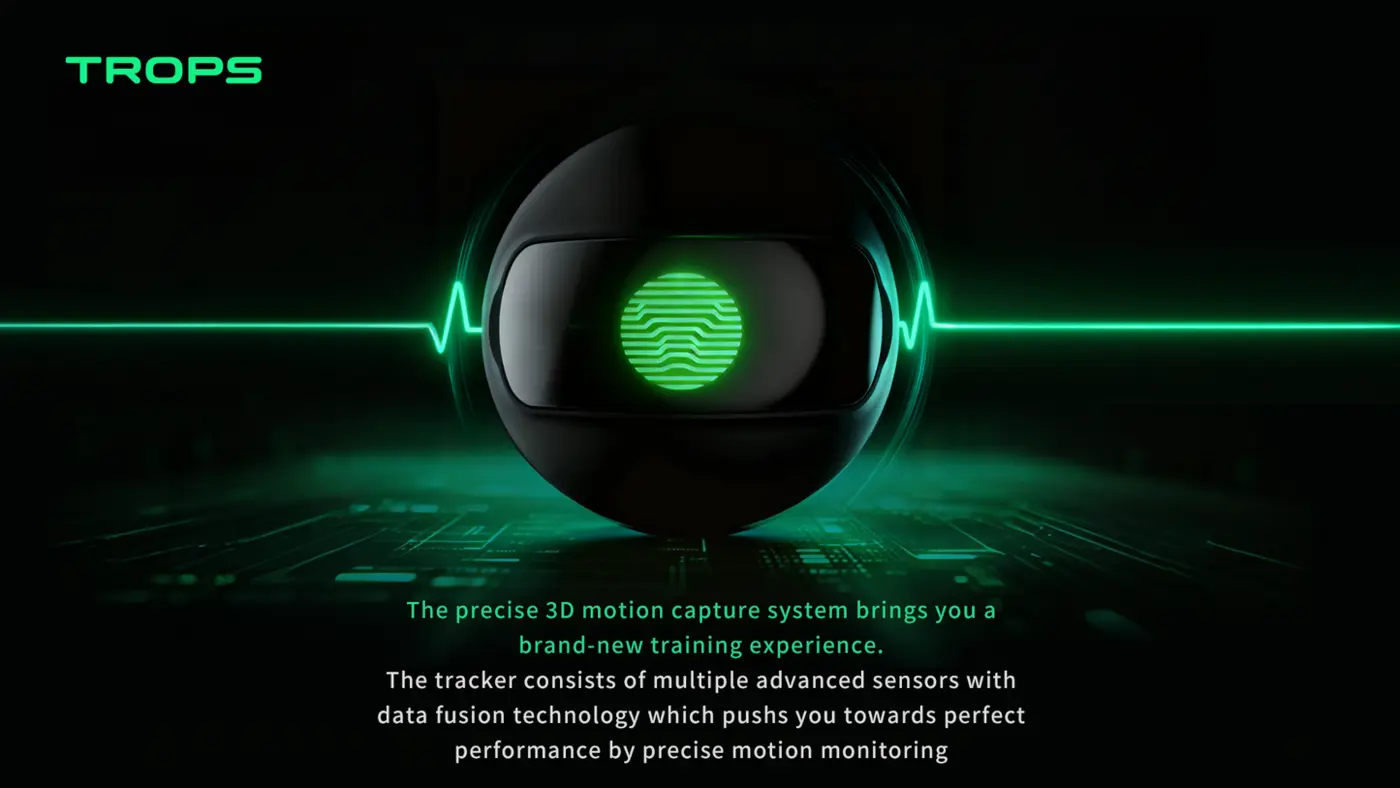
What Is a Soccer Foot Tracker and How Does It Improve Youth Training?
A practical guide to soccer foot trackers: how IMU sensors measure shots, sprints and foot balance, and how academies use the data in daily training.
Read →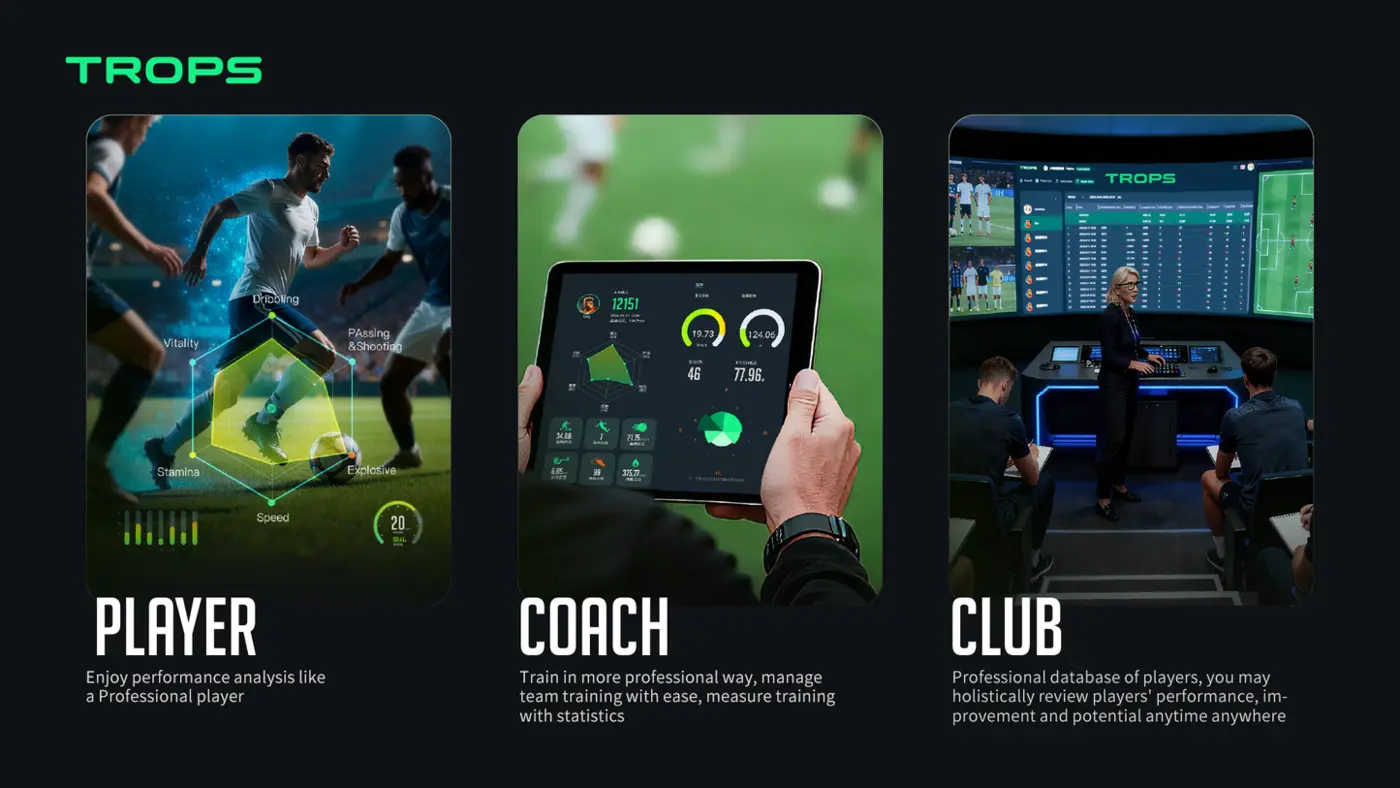
How Wearable Sensors Help Football Academies Develop Players Faster
How football academies use wearable sensors to give objective technical feedback, manage load and fatigue, communicate with parents, and scale player development across squads.
Read →