Football Wearable Distributor Opportunity: Market Size, Margins and How to Start
Key takeaways
- Distributor margins on sports wearables typically run 30% to 60%.
- Recurring revenue comes from replacement units, accessories and subscriptions.
- Start with a small territory and a demo kit, then expand after pilots.
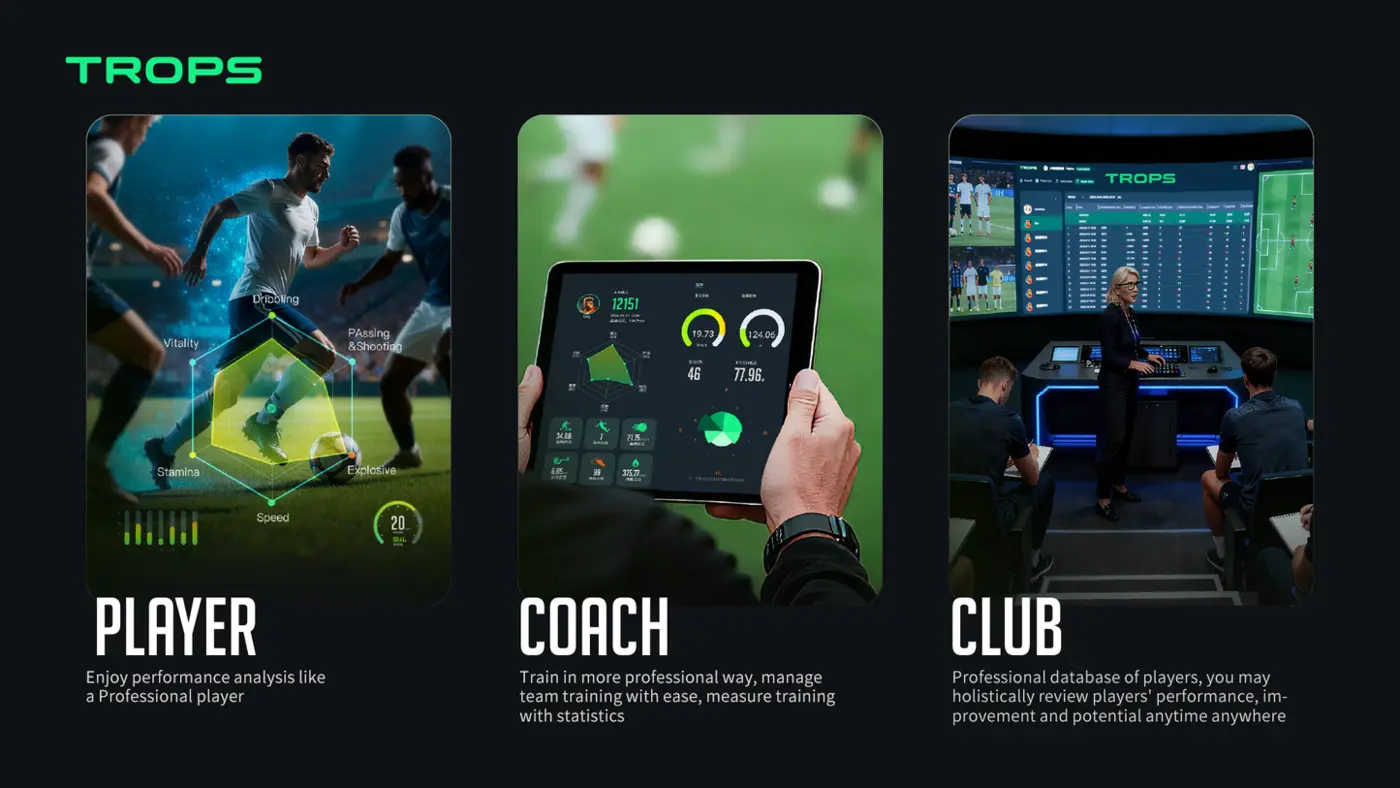
Youth football is the world's largest participation sport, and clubs at every level are starting to buy tracking technology. Most of them will not buy from a factory in China — they will buy from a local distributor they trust. That is the opportunity.
This guide is written for two audiences that meet in the same place: coaches, academy directors and school programme leads who are evaluating tracking for the first time, and distributors who want to serve them properly. Both need the same things — a clear view of why the market is moving, what the economics look like, and a realistic path from a first demo kit to a repeatable local business.
Why the Market Is Growing
Three drivers: parents expect data (progress reports sell memberships), federations encourage load monitoring (player welfare rules), and hardware prices keep falling. Every new academy that adopts tracking pulls its local rivals in the same direction.
There is a fourth, quieter driver that matters for anyone selling into grassroots: coaches talk to each other. A director who sees a clean per-player report at a neighbouring club will ask what produced it. That word-of-mouth loop is why small territories can support a distributor business long before they support a retail chain. If you want the underlying mechanics of the technology, our explainer on what a soccer foot tracker actually measures is a useful primer to share with sceptical coaches.
What clubs are actually buying
In practice, first purchases cluster around a few needs: monitoring training load across a squad, giving parents something concrete about development, and adding objective data to selection conversations. Foot-worn sensors suit this well because they capture ball contacts and striking data that vest-based GPS cannot. Our comparison of vests versus camera analysis covers where each approach fits, which helps when a club is weighing options.
What Distributors Earn
Typical distributor margins on sports wearables range from 30% to 60% depending on territory and volume. The real recurring revenue is in replacement units, accessories and software subscriptions — a club that buys 30 trackers will buy more every season.
Two practical notes on margin. First, the headline percentage matters less than the mix: a territory with modest hardware margin but strong subscription attachment is usually healthier than one with high hardware margin and no renewals. Second, seasonality is real — budget cycles in schools and academies cluster around pre-season and the start of the academic year, so cash flow planning should assume uneven months.
A realistic first-year shape
Most new distributors start with a handful of clubs, not a catalogue. A typical progression looks like this: a demo kit circulating between two or three academies, one or two paid pilots converting into squad-level orders, then a second wave of clubs who heard about it locally. The pilot programme structure we recommend to new partners is designed to make that first conversion measurable rather than hopeful.
What to Look For in a Supplier
Before signing anything, check four things: MOQ flexibility (can you start with a test order?), OEM/ODM capability (can you put your own brand on the product?), after-sales support (replacement policy, firmware updates), and documentation (certifications, manuals in your language). Our full checklist is in How to Choose a Wearable Supplier.
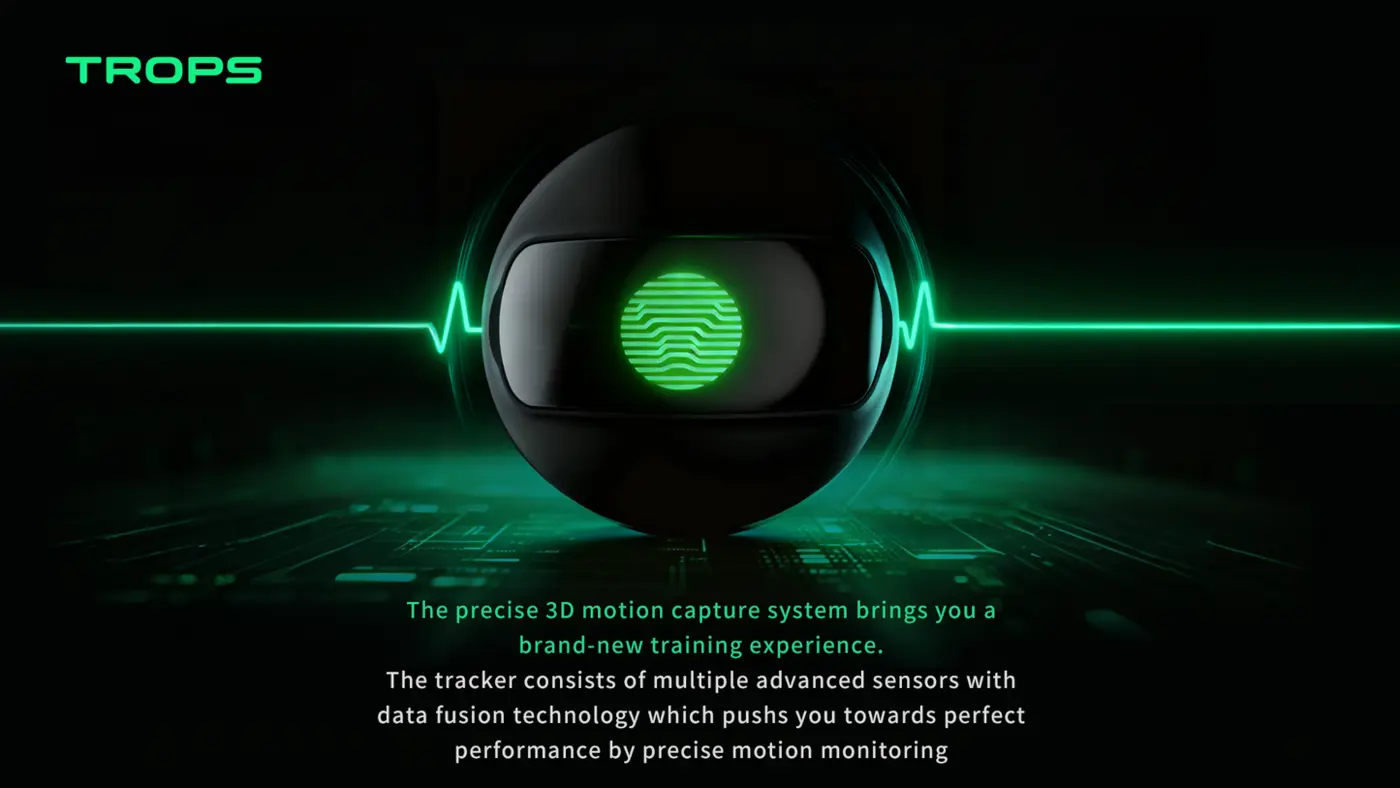
To make that checklist concrete against our own range: the TROPS-1 is a 25 g foot-worn sensor with a 9-axis IMU sampling at high-rate, a rechargeable battery (capacity in the datasheet), Bluetooth 5.0, IP66 protection, and a ankle mount. It works with iOS and Android, carries certification documentation documentation, and measures touches, shots, strike quality, left/right foot balance, sprints, top speed, distance, accel/decel and training load. Sample orders start at 10 units; OEM orders start at 100 units.
Questions worth asking before you commit
Ask any supplier, including us, how firmware updates are delivered and how long a given hardware revision will be supported. Ask what happens when a unit fails mid-season — a replacement policy that leaves a squad short for three weeks is worse than a slightly higher unit price. Ask for the manual in your language before you order, not after. And ask whether the platform exports data, because clubs change systems and nobody wants to re-enter a season of records.
Common mistakes new distributors make
Ordering too much stock before a single club has used the product. Leading with specifications instead of a coach's problem. Skipping the demo and sending a quote. Promising outcomes the data cannot support. Underestimating support time — the first month with a new club is mostly hand-holding, and that is normal. Budget for it in your pricing and your calendar.
How to Start
Start with a small territory and a demo kit. Sell to two or three academies, collect real feedback, then expand. Suppliers like us support new distributors with launch materials and exclusive territory terms — ask about distributor pricing today.
A five-step launch sequence
1. Pick a beachhead. One town, one school district, one league. Depth beats breadth in year one. If schools are your target, the school football programme guide maps the buying process and the people you need to convince.
2. Build a demo kit. Enough units for a full squad session, plus a laptop or tablet showing the Team Platform dashboard. The Academy Bundle — sensors, platform and onboarding for 10 to 100+ players — is designed to be exactly this, and scales into the first paid deployment without a change of system.
3. Run one honest pilot. Agree in advance what the club will judge: attendance, coach time saved, parent feedback, or a specific technical KPI. Publish the result internally whether it is flattering or not.
4. Convert to a season. Move from pilot to squad-level supply with a clear renewal conversation about accessories and additional units.
5. Expand by referral. Use the first club's experience — with permission — in front of the next three. Real local names travel further than any brochure.
What coaches and directors should ask a distributor
If you are on the buying side, the same sequence works in reverse. Ask for a demo, not a datasheet. Ask how long onboarding takes and who runs it. Ask what the coach sees after a session and whether it fits the time they actually have. Ask how player data is stored and who can see it. A distributor who answers these clearly is worth a longer conversation; one who deflects them is not. Our buying guide for football data tracking equipment lists the questions in full.
Where the Recurring Business Comes From
Hardware gets you in the door. Renewals keep you there. Three streams matter: additional units as squads grow or split into age groups; accessories such as socks, mounts and charging equipment that wear out with use; and platform subscriptions that give coaches continuity season over season. The Team Platform's per-player and per-team reports, technical KPIs, load tracking, trends and video sync are what make a subscription worth renewing — the value is in the season-long view, not a single session.
For distributors, this changes how you should pitch. Selling 30 trackers is a transaction. Selling a club on a three-season view of player development, with the hardware as the entry point, is a relationship. The clubs that stick are the ones whose coaches built a habit around the data.
Next Step
Whether you run an academy, a school programme or a distribution business, the fastest way to judge fit is a conversation about your territory and your first pilot. Tell us who you would sell to and what those clubs currently use. Contact the RunSports team to discuss distributor pricing, sample orders and territory terms — or reach us on WhatsApp at +86 180 2288 2382.
Recommended for your program
Frequently asked questions
What margins can a distributor expect on football wearables?
Typical distributor margins on sports wearables range from 30% to 60%, depending on territory and volume. The article notes that the mix matters more than the headline percentage: strong subscription attachment is usually healthier than high hardware margin with no renewals. Seasonality also affects cash flow, since school and academy budgets cluster around pre-season and the academic year start.
What should I check in a wearable supplier before signing?
Check four things: MOQ flexibility so you can start with a test order, OEM/ODM capability to put your own brand on the product, after-sales support including replacement policy and firmware updates, and documentation such as certifications and manuals in your language. Also ask how firmware updates are delivered and how long a hardware revision will be supported.
How do new distributors usually start, and what support is available?
Most start with a handful of clubs rather than a catalogue: a demo kit circulating between two or three academies, one or two paid pilots converting into squad-level orders, then a second wave of local clubs. Suppliers support new distributors with launch materials and exclusive territory terms. The Academy Bundle covers sensors, platform and onboarding for 10 to 100+ players.
What are the minimum order quantities for the TROPS-1?
Sample orders for the TROPS-1 start at 10 units, and OEM orders start at 100 units. The TROPS-1 is a 25 g foot-worn sensor with a 9-axis IMU sampling at high-rate, a rechargeable battery (capacity in the datasheet), Bluetooth 5.0, IP66 protection, and ankle mounting. It carries certification documentation documentation.
Need help choosing the right equipment?
Talk to Our Export TeamRelated Reading
What Is a Soccer Foot Tracker and How Does It Improve Youth Training?
A practical guide to soccer foot trackers: how IMU sensors measure shots, sprints and foot balance, and how academies use the data in daily training.
Read →
How Wearable Sensors Help Football Academies Develop Players Faster
How football academies use wearable sensors to give objective technical feedback, manage load and fatigue, communicate with parents, and scale player development across squads.
Read →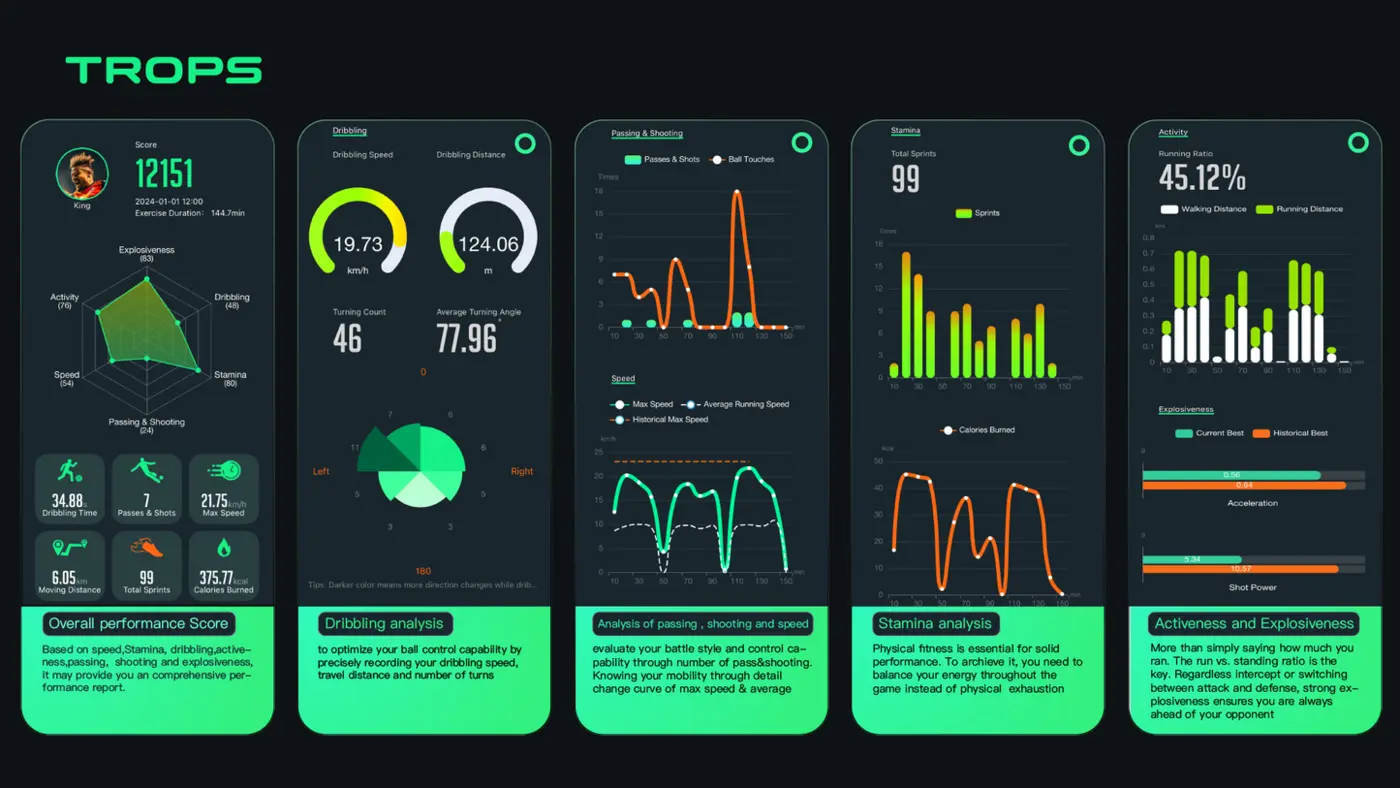
Buying Guide: What to Look for in Football Data Tracking Equipment
A practical buying guide for academies, schools, clubs and distributors comparing football data tracking wearables — accuracy, battery, durability, software, MOQ and support.
Read →