Soccer Wearable for Schools: Buyer Guide
Key takeaways
- Foot-worn sensors suit PE because they need no vest, no phone on the pitch and minimal setup time.
- Plan device management before buying: charging routine, sign-out process and storage all matter in schools.
- Teacher-friendly reports should show a few clear metrics rather than a full analytics dashboard.
Introducing tracking technology into a school is a different job from equipping a professional academy. Lessons are short, groups are large, equipment is shared, and the people running sessions are often teachers rather than analysts. A soccer wearable for schools therefore has to be judged on practicality as much as on data. This guide walks through the questions worth asking before you commit a budget.
Start With the PE Class Reality
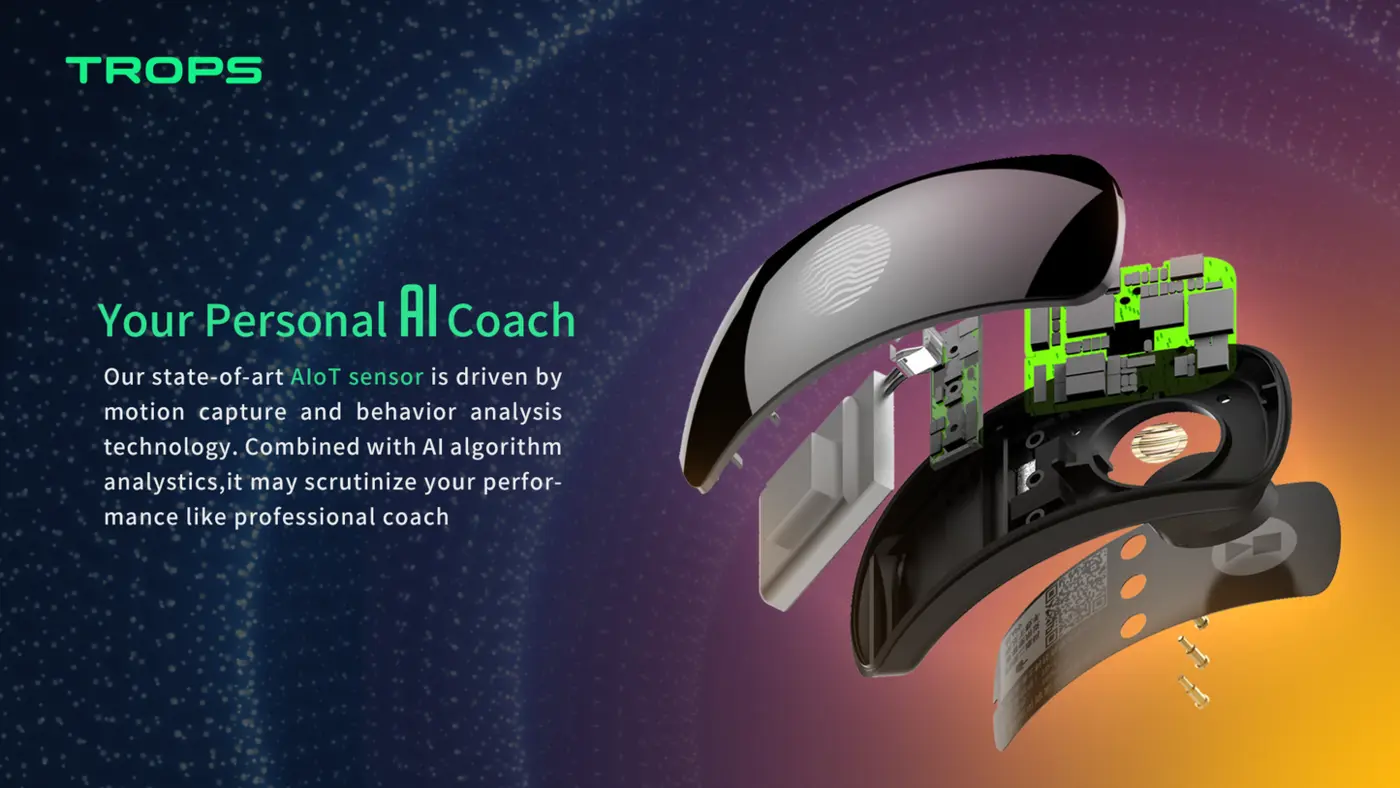
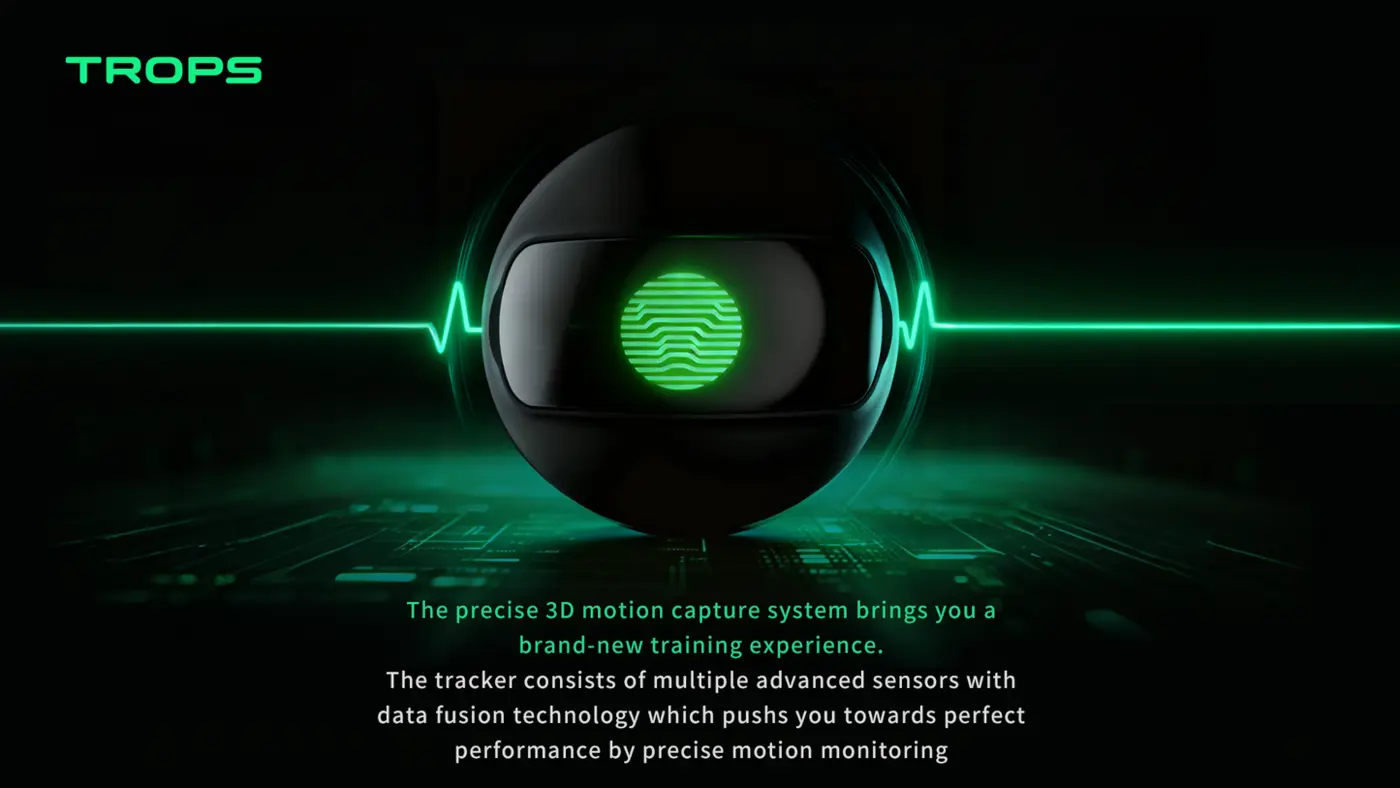
A typical PE lesson leaves little room for setup. If a device needs a vest fitted, a phone paired and an app logged in before every activity, it will quietly stop being used. Foot-worn sensors avoid much of this friction: the RunSports Tracker S1 is a 12 g unit worn on the sock or shin guard, left or right, with no chest strap and no phone required on the pitch during the session.
Think through the lesson flow before you buy:
- Hand-out time: can one teacher or assistant fit a class set quickly?
- Session length: the S1 battery is rated up to 8 hours per charge, so a full school day of back-to-back lessons is realistic if you recharge between days.
- Collection: where do sensors go at the end of the lesson, and who checks them back in?
- Charging: magnetic USB charging reaches full in about 1.5 hours, which suits a trolley or cabinet routine.
Device Management: The Part Schools Underestimate
Most failed school technology projects are not failed hardware; they are failed routines. Decide early how devices are labelled, stored and assigned to students. A simple numbered kit with a matching sign-out sheet is usually more workable than a free-for-all basket.
Practical management checklist
- Assign each sensor a permanent number and match it to a student or group.
- Set a charging rota so the whole set is not empty on the same morning.
- Keep a small stock of spare sensors for losses and faults.
- Nominate one staff member as the kit owner, with a deputy.
- Record which class used which kit, so reports stay readable later.
The RunSports Team Platform handles multi-player management and per-player reporting in the cloud, which reduces the admin load on the teacher. You can read more about structuring a programme in our article on school football programmes and player tracking.
Durability and Water Resistance
School equipment lives a harder life than academy equipment. It gets dropped on changing-room floors, packed into bags and used on wet pitches. The Tracker S1 carries an IP67 waterproof rating, which covers splashes and rain exposure, and its small form factor means fewer protruding parts to catch or break.
Durability is also about the routine around the device. Ask suppliers how the sensor is secured, what happens if a strap fails, and whether replacement parts are available. Our durability guide covers the questions worth putting to any supplier.
Safeguarding and Data Responsibility
Schools carry obligations that clubs often do not. Before any pupil data is collected, confirm who owns the account, who can view individual reports, how long data is retained and what parents are told. Keep the answers written down.
On the physical side, sensors should be fitted by staff, checked before use and removed after the session. Avoid making performance data public or comparative in ways that could affect pupils' wellbeing. Where data is used to discuss load, treat it as awareness rather than diagnosis, and involve qualified staff in any decisions about a pupil's training. Our training load article explains the distinction clearly.
Reports Teachers Can Actually Read
A dashboard with dozens of metrics is not a teaching tool. Teachers need a short list: who was active, who touched the ball, who is improving. The S1 measures ball touches, shot count, strike quality, foot identification, left/right foot balance, sprints, top speed, distance, accelerations and decelerations, and training load. The platform turns these into per-player and per-team reports with progress trends and video sync.
In practice, pick two or three metrics per half-term and ignore the rest. Left/right foot balance is a good example of a metric a PE teacher can act on immediately, because it points to a simple coaching cue. For a wider view of how schools use this data, see our school district PE programme case.
Budget-Friendly Kits and Scaling
Schools rarely buy a full programme at once. A sensible approach is a pilot with one year group, then expansion once the routine works. The RunSports Academy Bundle combines sensors, the team platform and onboarding for 10 to 100+ players, which maps well onto a staged rollout.
If you are buying through a distributor or planning a co-branded kit for a school network, OEM orders start from 100 units and can include custom colour, logo, packaging, app branding and firmware tuning. Sample orders start from 10 units. Our MOQ and OEM guide explains how to compare suppliers on these terms.
Compatibility and Support
Check the basics against your school's devices: the S1 works with iOS 12+ and Android 8+, connects over Bluetooth 5.0 and carries CE, FCC and RoHS certification. Confirm that your IT team is comfortable with the app and cloud account model before rollout.
RunSports is a supplier based in Dongguan, China, shipping worldwide, with enquiry support in English, Chinese, Arabic, Spanish, Portuguese, French, German, Japanese, Korean, Thai, Vietnamese and Malay. That matters for international school groups and distributors serving several markets.
A Short Buying Sequence
- Define the lesson you want to support and the two or three metrics that matter.
- Agree the device management routine and name an owner.
- Write down the safeguarding and data rules.
- Pilot with one group and review teacher feedback.
- Scale the kit once the routine survives a full term.
If you would like to discuss a pilot kit, sample order or OEM programme, contact the RunSports team with your group size and timeline.
Recommended for your program
Frequently asked questions
How many sensors does a school PE class need?
Base the number on your largest practical group rather than the whole roll. Many schools start with one class set and rotate groups. The RunSports Academy Bundle is offered for 10 to 100+ players, and sample orders start from 10 units, so a school can pilot one year group before expanding.
Are foot-worn soccer wearables suitable for school children?
The RunSports Tracker S1 is a 12 g sensor worn on the sock or shin guard, so it adds little weight and needs no vest. Schools should still set their own rules on fitting, supervision and data access, and consult qualified staff on training load and safeguarding.
What reports can PE teachers actually use?
The RunSports Team Platform gives per-player and per-team reports covering ball touches, shot count, strike quality, left/right foot balance, sprints, top speed, distance and training load. Teachers can focus on a few metrics per lesson and ignore the rest until they want more depth.
Can schools and distributors order customised kits?
Yes. OEM orders start from 100 units and can include custom colour, logo, packaging, app branding and firmware tuning. Sample orders start from 10 units. Contact RunSports for onboarding, shipping and enquiry support in multiple languages.
Need help choosing the right equipment?
Talk to Our Export TeamRelated Reading
What Is a Soccer Foot Tracker and How Does It Improve Youth Training?
A practical guide to soccer foot trackers: how IMU sensors measure shots, sprints and foot balance, and how academies use the data in daily training.
Read →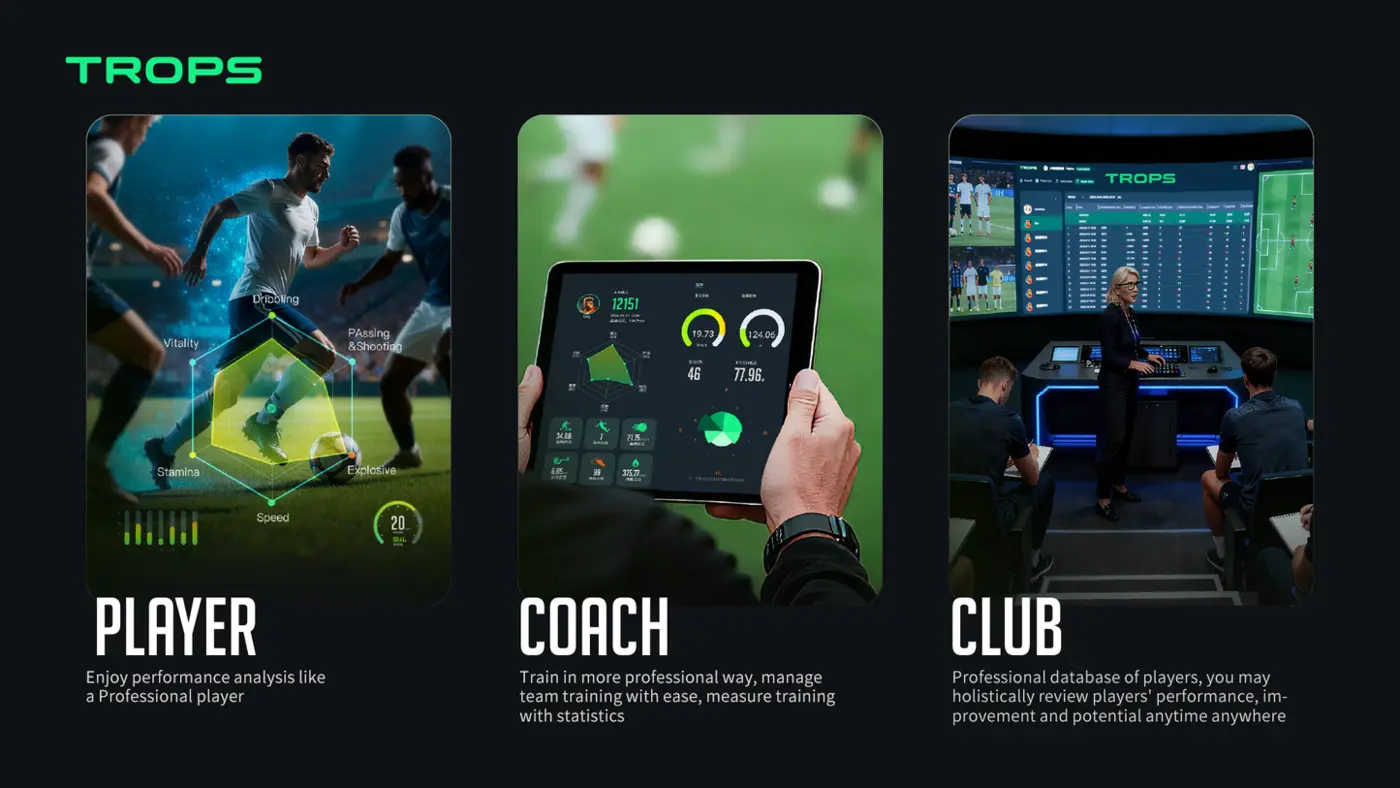
How Wearable Sensors Help Football Academies Develop Players Faster
How football academies use wearable sensors to give objective technical feedback, manage load and fatigue, communicate with parents, and scale player development across squads.
Read →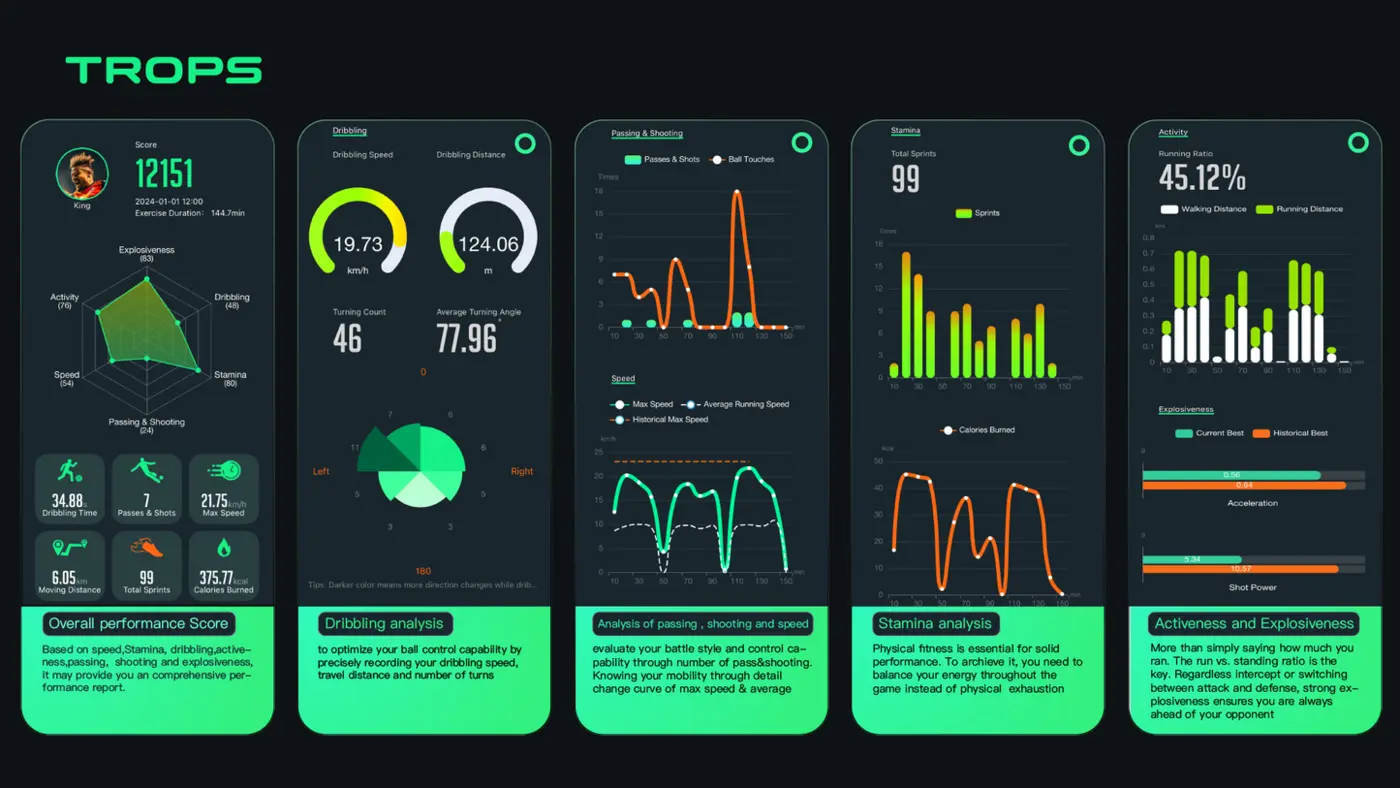
Buying Guide: What to Look for in Football Data Tracking Equipment
A practical buying guide for academies, schools, clubs and distributors comparing football data tracking wearables — accuracy, battery, durability, software, MOQ and support.
Read →