Inside Professional Football: How Elite Clubs Use Tracking Data Every Week
Key takeaways
- Elite clubs collect data the same way every session, review it each morning, and act before planning the next session.
- Spikes in load cause injuries; compare players to their own baselines, not to each other.
- Start with baseline tracking, then add one data-driven decision per week before match review.
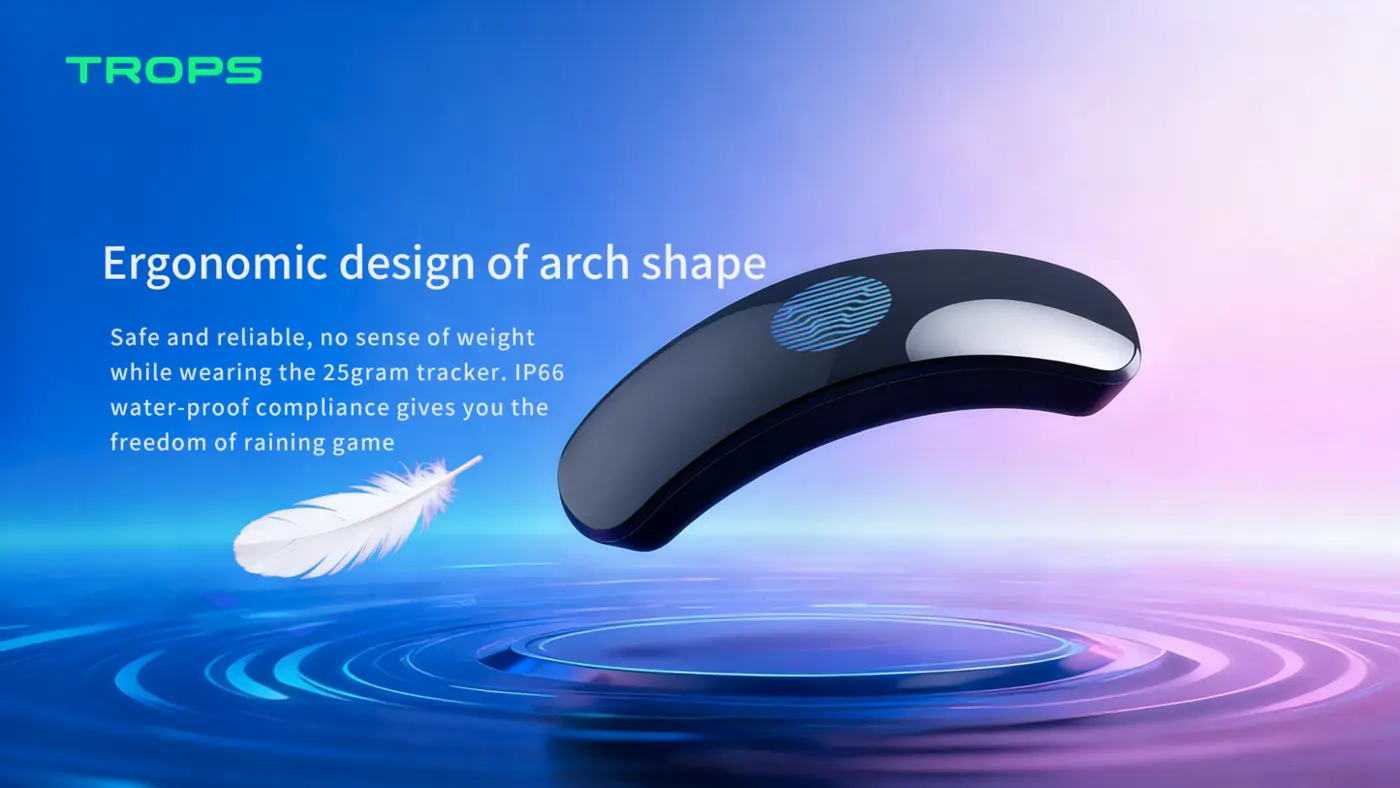
At professional clubs, tracking data is not a gimmick — it drives weekly decisions about who trains, how hard, and who plays. Here is how the elite cycle works, and what ambitious clubs can adopt today.
The Weekly Monitoring Cycle
Every training session and match produces numbers: distance, high-speed running, sprint count, accelerations and load. The performance staff reviews them the next morning. A defender who hit unusually high sprint volume gets a lighter session; a striker recovering from injury gets a green light only when his numbers match his baseline.
What separates elite clubs from everyone else is not the technology — it is the rhythm. Data is collected the same way every session, reviewed at the same time every day, and acted on before the next session is planned. The cycle has four beats:
Step 1: Collect consistently
Assign the same tracker to the same player every session. Confirm the sensor is charged, fitted correctly in the ankle, and synced before warm-up starts. Inconsistent collection — a missed session here, a swapped device there — is the most common reason data never becomes useful.
Step 2: Review the morning after
Set a fixed review window: 15 to 20 minutes the morning after each session. Scan for outliers first — players far above or below their own recent range — rather than reading every number for every player. The question is never "is this number good?" but "is this number normal for this player right now?"
Step 3: Adjust the next session
Turn the review into one or two concrete changes: a modified warm-up, a reduced sprint block, an extra recovery day, or a green light for full training. If the review does not change anything, the review is not working.
Step 4: Feed the week
Look at the week as a whole before the next match. A coach who sees cumulative load rising across Tuesday, Wednesday and Thursday can shape Friday's session deliberately instead of discovering the problem on match day.
Load Management and Injury Prevention
The core idea is simple: spikes in load cause injuries. Professional clubs track the acute-to-chronic workload ratio — this week's load versus the previous month's average. When the ratio climbs too fast, training is adjusted before the body breaks down. Youth academies of top clubs run the same system with age-adjusted thresholds.
For practical use, keep three habits:
- Compare players to themselves, not to each other. A winger's baseline is not a centre-back's baseline, and a 15-year-old's baseline is not a senior professional's.
- Watch the direction of travel. A single high session after a rest day is usually fine; three consecutive rising sessions after a quiet month is the pattern worth acting on.
- Treat return-to-training as its own project. After injury or illness, build back through graded sessions and only restore full involvement when the numbers sit near the player's own baseline — with medical staff making the final call, not the dashboard.
This is a training-planning discipline, not a medical guarantee. Tracking helps you ask better questions earlier; it does not replace physios, doctors or judgement. For a deeper walkthrough of the ratio and how to apply it, see our guide to training load monitoring and injury prevention.
Match Analysis
Match data tells coaches more than any single opinion: pressing intensity, wide players' sprint distance, midfielders' ball-winning runs. Post-match reviews that combine video with tracking numbers are now standard at elite level.
A workable post-match routine for a club without a full analysis department:
- Pick two or three questions before kick-off — for example, did our wide players hold their sprint output across both halves, and did our pressing drop after the break?
- Pull the tracking numbers for those questions only, then match them to two or three video clips.
- Share a short summary with players: one thing that worked, one thing to adjust. Numbers without clips rarely change behaviour; clips without numbers rarely change planning.
Technical metrics add a second layer. With foot-worn sensing you can review touches, shots, strike quality and left/right foot balance alongside physical output — useful when a coach wants to know whether a quiet second half was a fitness issue or a involvement issue. Our overview of GPS data metrics in football explains which numbers answer which coaching questions.
Building the Same Rhythm at Your Club
You do not need a sports science department to start. A professional-grade tracker with team software gives you the same weekly rhythm — session, review, adjust.
A realistic rollout for a club, academy or school program:
Weeks 1–2: Baseline only
Track every session, change nothing, and let the numbers settle. Coaches learn the dashboard; players get used to wearing the sensor. No decisions are made from data yet.
Weeks 3–4: One decision per week
Choose a single use case — for example, flagging the two players with the biggest week-on-week load rise and adjusting their next session. One decision, done consistently, beats ten half-finished reports.
Week 5 onward: Add match review
Once training monitoring is routine, add the post-match questions described above. This is also the point to involve coaches in reading reports directly rather than routing everything through one person.
Common mistakes to avoid
- Buying hardware before agreeing who reviews the data and when.
- Sharing raw numbers with players without context — it invites anxiety rather than understanding.
- Changing the collection protocol mid-season, which breaks comparability.
- Tracking only the first team. Academies and school squads benefit most from long-term individual baselines.
For age-specific thresholds and session design, our youth football training resources and the guide to using GPS data in youth training cover the adjustments that matter most.
Choosing Equipment That Fits Your Level
The right setup depends on squad size and ambition. A single-team club can start with individual trackers and the cloud dashboard; a multi-age academy is usually better served by a bundle that includes sensors, platform access and onboarding for coaches. Distributors and brands should look at sample quantities first, then OEM options as demand becomes clear.
Practical selection criteria:
- Wearable format: foot-worn sensing captures touches, strikes and left/right balance that torso-based units cannot.
- Battery and durability: the device must survive a full week of sessions and washing routines.
- Software fit: per-player and per-team reports, load trends and video sync in one place.
- Scalability: can the same platform serve 12 players now and 120 later?
Our buying guide for football data tracking equipment compares formats and contract questions in detail. For distributor enquiries, the distributor opportunity overview covers MOQ and partnership structure.
What This Means for Your Club
Elite practice is not mysterious: collect consistently, review the morning after, adjust before the next session, and connect numbers to video. Clubs outside the top leagues can run exactly this loop with modest equipment — and the clubs that start earliest build the most valuable asset of all: a season-long individual baseline for every player.
Whether you run a single senior team, a multi-age academy, a school program or a distribution business, the starting point is the same conversation about squad size, workflow and budget. Contact us to see how clubs outside the top leagues are already doing it — we will help you map the weekly rhythm to your setup before you commit to hardware.
Recommended for your program
Frequently asked questions
What does the weekly monitoring cycle at a professional club actually look like?
It has four beats: collect consistently using the same tracker for the same player, review the morning after in a fixed 15–20 minute window, adjust the next session with one or two concrete changes, and look at the whole week before the next match. The rhythm matters more than the technology.
How do clubs use tracking data to prevent injuries?
Clubs track the acute-to-chronic workload ratio — this week's load versus the previous month's average. When the ratio climbs too fast, training is adjusted before the body breaks down. They also compare players to their own baselines, watch the direction of travel across sessions, and treat return-to-training as its own graded project.
We don't have a sports science department. Can a smaller club or school still start?
Yes. A professional-grade tracker with team software gives you the same weekly rhythm. Spend weeks 1–2 on baseline tracking only, weeks 3–4 making one decision per week (such as flagging the two players with the biggest load rise), and add match review from week 5 onward.
What common mistakes should we avoid when introducing tracking?
Avoid buying hardware before agreeing who reviews the data and when. Don't share raw numbers with players without context, since that invites anxiety rather than understanding. Don't change the collection protocol mid-season, as it breaks comparability. And don't track only the first team — academies and school squads benefit most from long-term baselines.
Need help choosing the right equipment?
Talk to Our Export TeamRelated Reading
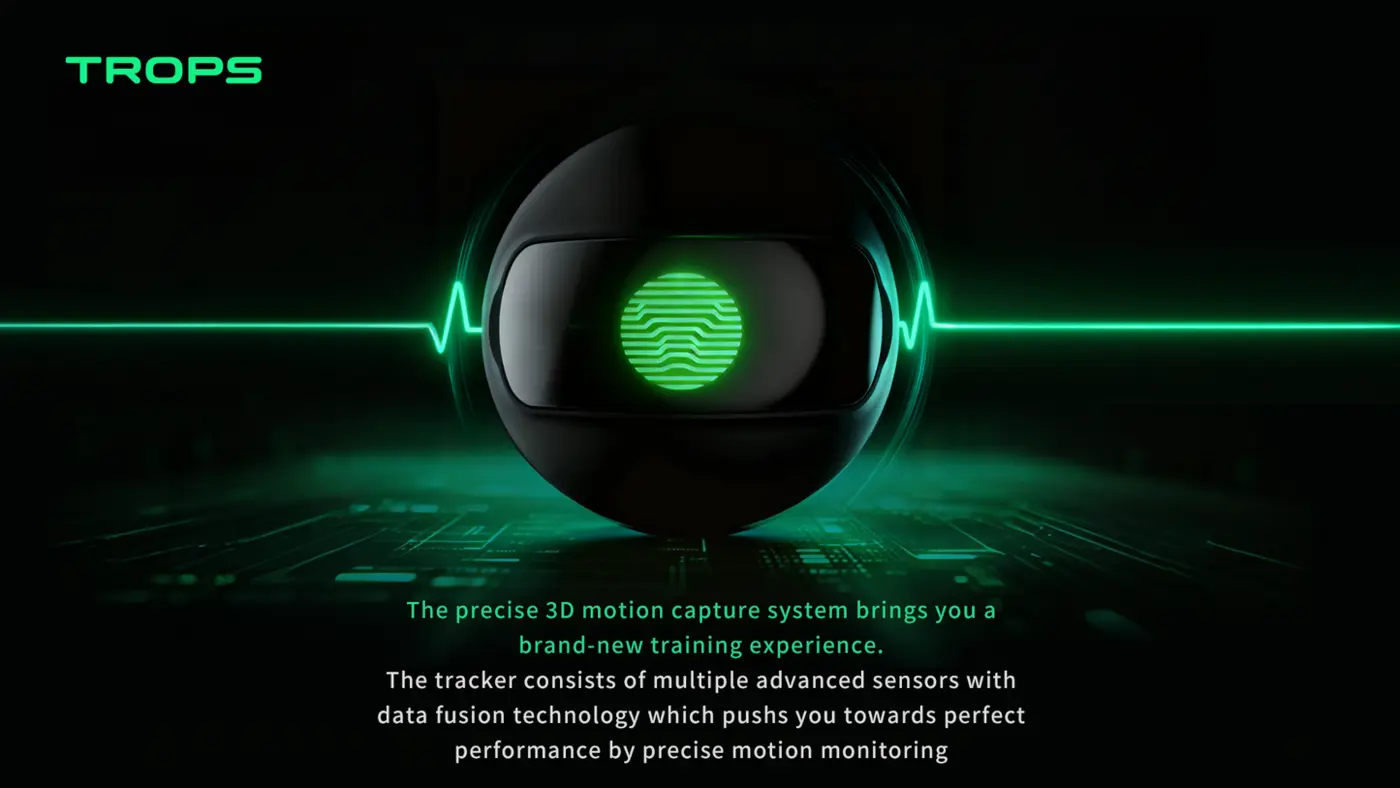
What Is a Soccer Foot Tracker and How Does It Improve Youth Training?
A practical guide to soccer foot trackers: how IMU sensors measure shots, sprints and foot balance, and how academies use the data in daily training.
Read →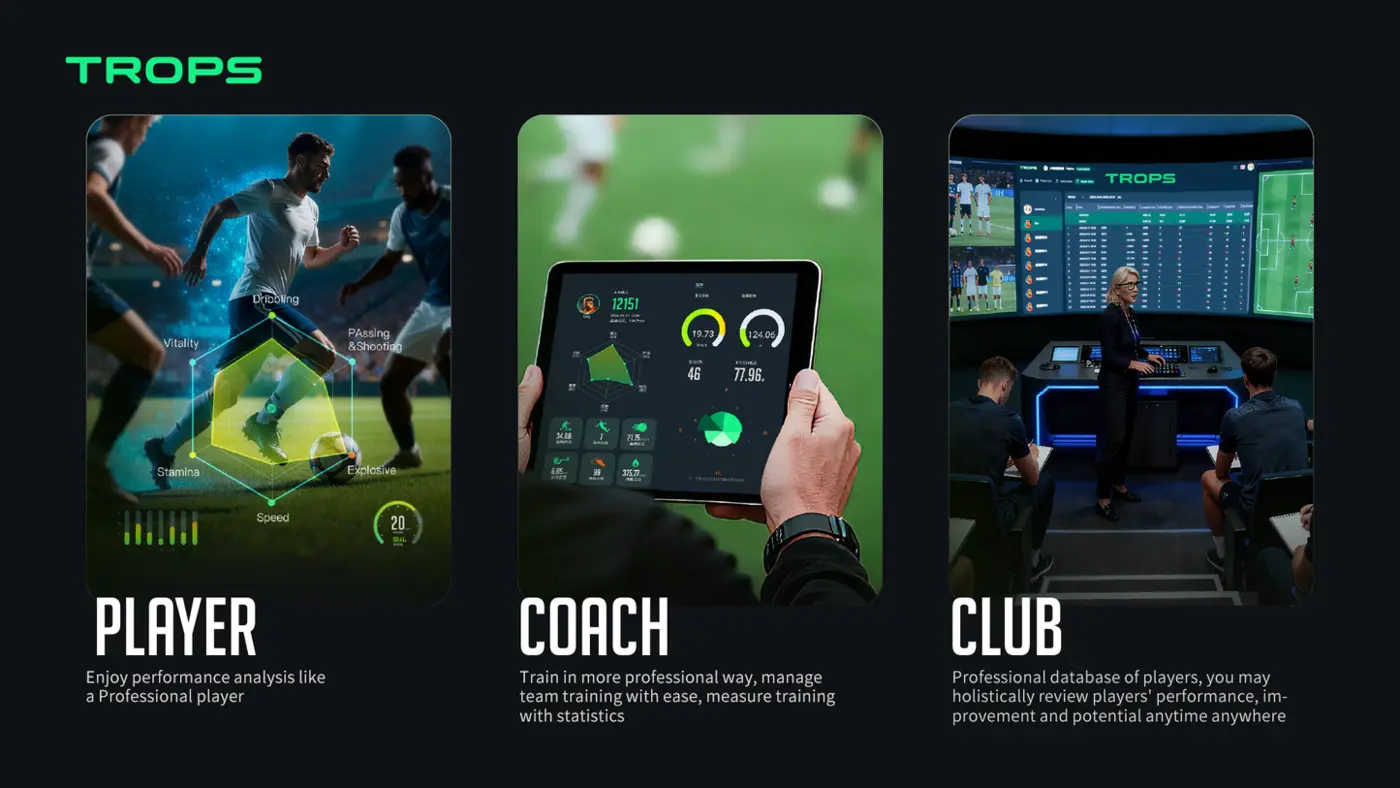
How Wearable Sensors Help Football Academies Develop Players Faster
How football academies use wearable sensors to give objective technical feedback, manage load and fatigue, communicate with parents, and scale player development across squads.
Read →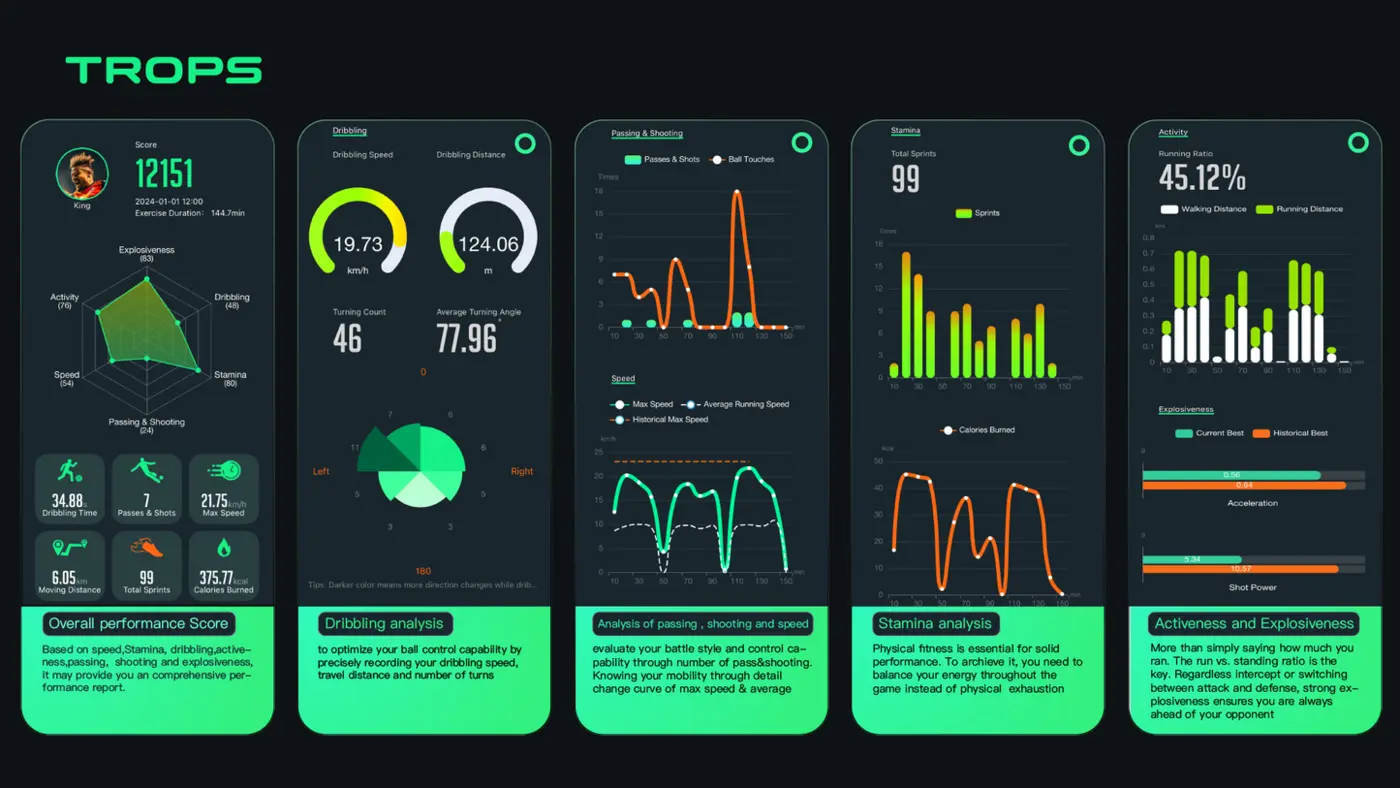
Buying Guide: What to Look for in Football Data Tracking Equipment
A practical buying guide for academies, schools, clubs and distributors comparing football data tracking wearables — accuracy, battery, durability, software, MOQ and support.
Read →