Football Tracker for Kids: Parent & Coach Guide
Key takeaways
- Prioritise fit and low weight: a 12 g foot-worn sensor suits U8-U12 comfort.
- Choose metrics that coaches can act on, not just totals.
- Check waterproofing, charging and app compatibility before buying.
Choosing a football tracker for kids is not the same as buying performance technology for adult professionals. For U8 to U12 players, the priorities shift towards fit, weight, comfort and safety, while the data should stay simple enough for coaches and parents to use without specialist analysis. This guide explains the selection criteria that academies, schools, clubs and distributors should apply, without ranking products or making claims beyond what a device can reasonably deliver.
Why youth tracking needs different criteria
Young players have different physical proportions, attention spans and training routines from adults. A device that works well for a senior squad may be too bulky, too complex or too data-heavy for a junior session. Parents and coaches should therefore evaluate any football tracker for kids against the realities of grassroots and academy training: short sessions, mixed ability groups, shared equipment and limited support staff.
For a broader view of how tracking fits into junior development, see our guide to youth football training and the grassroots guide to youth soccer GPS trackers.
Fit, weight and comfort
Device size and placement
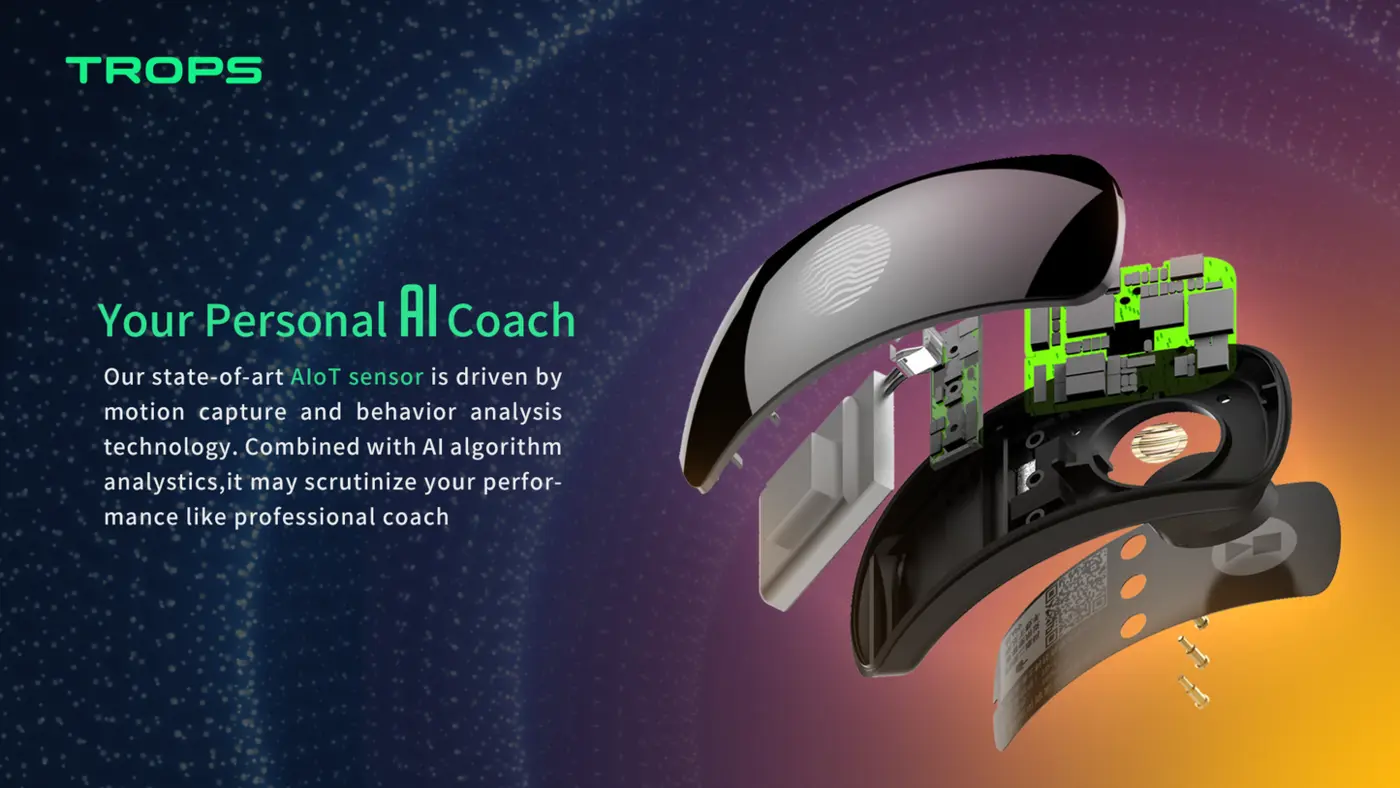
Foot-worn sensors are generally less intrusive for young players than chest straps or vests, provided the unit is small and light. The RunSports Tracker S1, for example, weighs 12 g and measures 40 x 32 x 14 mm, worn on the sock or shin guard on the left or right foot. That form factor keeps the device close to the boot without adding bulk to the upper body.
Secure attachment
Check how the sensor is held in place. A loose device is distracting and may fall off during play. Coaches should test fit with the actual socks and shin guards used by the squad, and parents should confirm the device sits comfortably before each session.
Comfort over long sessions
Comfort matters more than feature count for younger age groups. A device that players forget they are wearing is more likely to be accepted week after week. Ask whether the sensor can be worn on either foot and whether it interferes with normal boot and sock choices.
Safety and practical durability
No wearable can guarantee safety, and no supplier should claim otherwise. Instead, look for practical design features that support safe use: a lightweight build, secure fitting, waterproofing for wet sessions and outdoor pitches, and clear guidance on checking the device before play. The Tracker S1 carries IP67 waterproofing and CE, FCC and RoHS certification, which helps buyers assess basic compliance and durability.
Battery and charging routines also affect practical safety and convenience. A 200 mAh battery rated for up to 8 hours per charge, with magnetic USB charging completing in about 1.5 hours, supports typical training and match schedules. Distributors and academy directors should confirm that charging routines fit their facilities and that staff understand how to store devices between sessions.
What data is meaningful for U8-U12?
Young players do not need every metric a professional system can produce. The most useful data helps coaches plan sessions, monitor load awareness and track technical progress over time. For U8-U12, consider whether the device measures:
- Ball touches and shot count, which support technical engagement.
- Left/right foot balance, useful for developing both feet.
- Sprints, top speed and distance, presented as trends rather than single-session headlines.
- Accelerations and decelerations, which help coaches understand session intensity.
- Training load, used for load awareness rather than as a medical judgement.
The Tracker S1 includes these measures through a 6-axis IMU sampling at 1000 Hz, with foot identification and strike quality. Coaches should treat the numbers as one input alongside observation, and consult qualified staff on any load or welfare concerns. For more on interpreting metrics, see our guide to GPS data metrics in football.
Software, reporting and parent communication
Hardware alone is not enough. The team platform determines how easily coaches can access per-player and per-team reports, technical KPIs and progress trends. The RunSports Team Platform provides a cloud dashboard, multi-player management and video sync, which can help coaches connect data to what they see in training. For schools and academies, a clear reporting structure supports communication with parents without overwhelming them with raw numbers.
Compatibility also matters: the Tracker S1 supports iOS 12+ and Android 8+, with Bluetooth 5.0 connectivity. Buyers should check that the app experience suits the phones and tablets used by their staff and families.
Selection checklist for academies, schools and clubs
- Confirm the device weight and dimensions suit the age group.
- Test fit with the squad's actual socks and shin guards.
- Check waterproofing and certification for your market.
- Review battery life and charging time against your schedule.
- Decide which metrics coaches will actually use.
- Assess the platform's reporting and multi-player management.
- Agree a data policy covering storage, access and parent communication.
- Run a small pilot before scaling across age groups.
For a structured buying process, see our buying guide for football data tracking equipment. Distributors evaluating supply partnerships can also review how to choose a wearable supplier.
Pilot programmes and scaling
A pilot helps academies and schools test fit, comfort and workflow before committing to a larger programme. RunSports supports sample orders from 10 units, which allows a club or school to trial the Tracker S1 with a small group. The Academy Bundle combines sensors, the team platform and onboarding for 10 to 100+ players, giving academies a route to scale once the pilot is reviewed.
Distributors and brands should note that OEM orders start from 100 units, with custom colour, logo, packaging, app branding and firmware tuning available through OEM/ODM discussion. MOQ and customisation details should always be confirmed directly with the supplier.
Working with a supplier
RunSports is a supplier based in Dongguan, China, shipping worldwide with enquiry support in English, Chinese, Arabic, Spanish, Portuguese, French, German, Japanese, Korean, Thai, Vietnamese and Malay. Buyers can review products and solutions before requesting samples. For distributors, the football wearable distributor opportunity article outlines commercial considerations.
Next steps
Whether you are a parent comparing options, a coach planning a pilot or a distributor assessing supply, the same principle applies: start with fit, weight, comfort and meaningful data, then confirm compliance, workflow and support. To discuss samples, OEM/ODM or a pilot for your academy or school, contact RunSports with your requirements.
Recommended for your program
Frequently asked questions
What should parents look for in a football tracker for kids?
Focus on fit, weight and comfort first. A small foot-worn sensor, such as a 12 g unit worn on the sock or shin guard, is less distracting for U8-U12 players. Check waterproofing, battery life, app compatibility and whether the data is presented in a way coaches and parents can understand without specialist knowledge.
Is foot-worn tracking suitable for U8 to U12 players?
Foot-worn sensors can be suitable if the device is lightweight and securely fitted. For younger age groups, the priority is comfort and safety rather than exhaustive data. Coaches should introduce devices gradually, check fit before each session, and consult qualified staff if a player reports discomfort or concerns.
What data is meaningful for youth football coaches?
Meaningful data for U8-U12 typically includes ball touches, left/right foot balance, sprints, distance and training load trends. These help coaches plan sessions and monitor load awareness over time. Avoid over-interpreting single-session numbers, and always combine data with coach observation and qualified medical advice where needed.
Can academies and schools order small quantities to test tracking?
Yes. RunSports offers sample orders from 10 units, making it practical for academies, schools and clubs to pilot a tracking programme before scaling. OEM orders start from 100 units with options for custom colour, logo, packaging, app branding and firmware tuning, subject to discussion with the supplier.
Need help choosing the right equipment?
Talk to Our Export TeamRelated Reading
U12 Football Training Drills You Can Measure
Practical U12 football training drills with measurable KPIs. Build a 60–75 minute session that tracks touches, weak-foot contacts, and sprints.
Read →
What Is a Soccer Foot Tracker and How Does It Improve Youth Training?
A practical guide to soccer foot trackers: how IMU sensors measure shots, sprints and foot balance, and how academies use the data in daily training.
Read →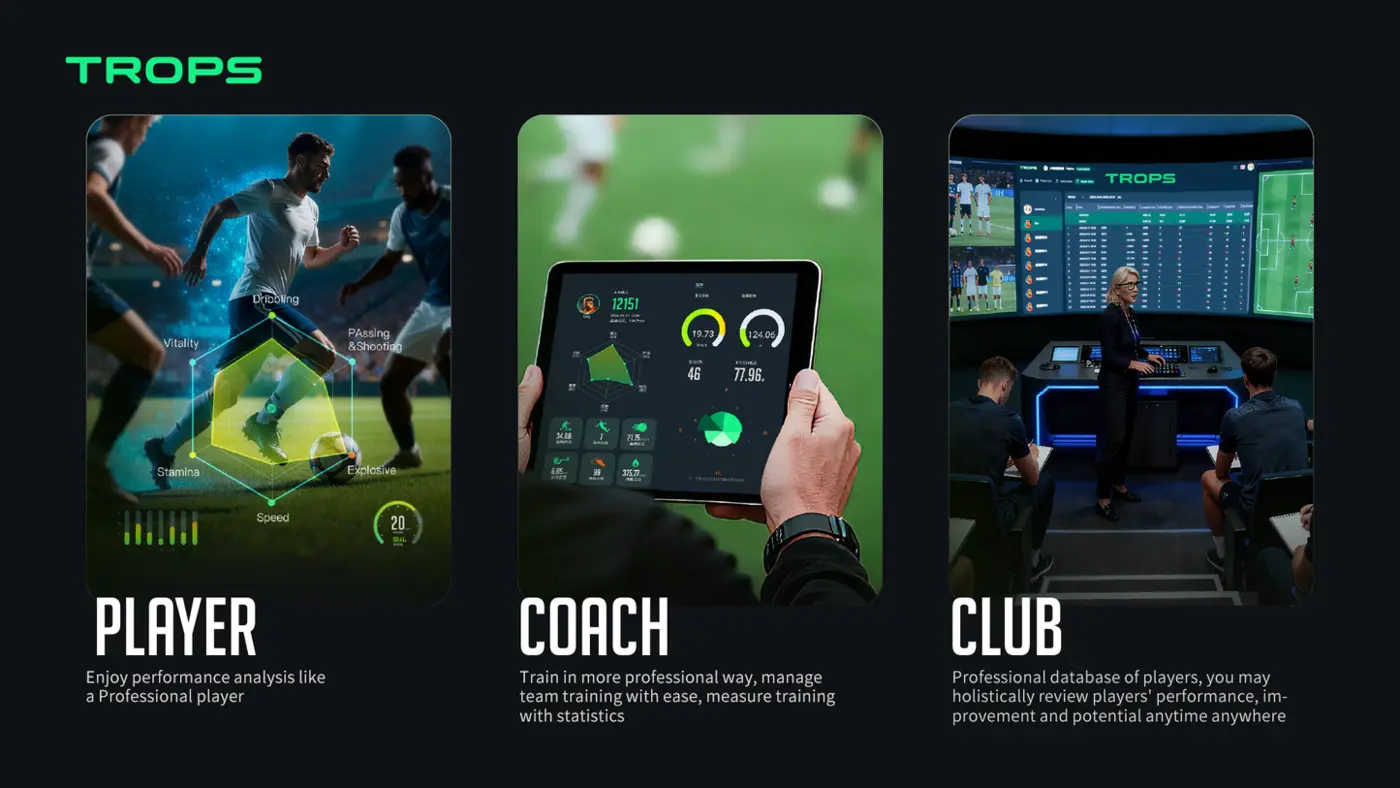
How Wearable Sensors Help Football Academies Develop Players Faster
How football academies use wearable sensors to give objective technical feedback, manage load and fatigue, communicate with parents, and scale player development across squads.
Read →