Weak foot training football: measuring real progress
Key takeaways
- Set a measurable weak-foot target per session: touches, strikes and balance ratio.
- Use foot identification data to separate weak-foot work from dominant-foot habits.
- Track strike quality and touch counts over weeks rather than judging one session.
Most players arrive at weak-foot work with good intentions and poor feedback. They take a few extra touches on the weaker side, the coach watches, and everyone agrees it looked better. Then the next match arrives and the same player turns back onto the dominant foot under pressure. The gap is not effort — it is measurement. If you want weak foot training football sessions that actually change behaviour, you need targets before the session and data after it.
Start with a baseline, not a judgement
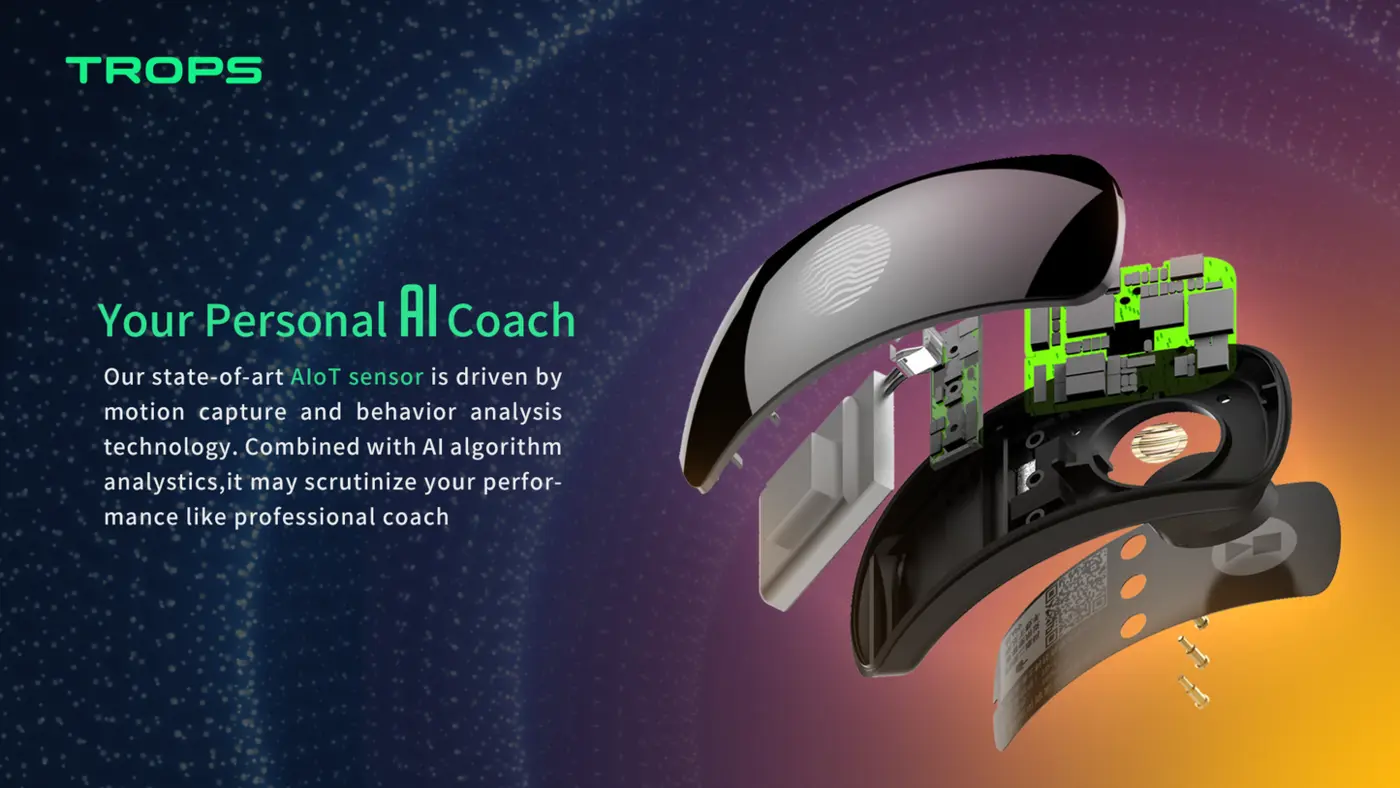
Before changing any drills, record two or three normal sessions. Ask players to train as they usually would. Using foot-worn sensors such as the RunSports Tracker S1, you can capture ball touches, shot count, strike quality and foot identification for each player, plus left/right foot balance across the session.
That baseline does two things. It shows the coach what current habits look like in numbers rather than memory, and it gives each player a personal reference point. Progress is then measured against the player's own starting position, not against the strongest player in the group. This matters in mixed-ability squads where raw totals vary widely.
Keep the first review simple. Note weak-foot touches per player, weak-foot shot count, average strike quality and the left/right split. Those four figures are enough to design the next block of work.
Designing sessions with a measurable target
A weak-foot session needs a target that the sensor can actually record. Vague aims like "use the left more" cannot be verified. Practical targets look more like this:
- Touch volume: a set number of weak-foot touches per player within the drill, checked after the session.
- Strike count: a defined number of weak-foot strikes from a specified distance or angle.
- Balance ratio: a target share of total touches on the weaker side during small-sided games.
- Strike quality: a floor for average strike quality on the weak side, reviewed across the block.
Structure the week so weak-foot work is not buried at the end when players are tired and revert to habit. Short, frequent blocks tend to produce cleaner data than one long session, and they fit school timetables more easily. Our guide to youth football training covers how to place technical blocks alongside physical work without overloading the week.
Making drills force the weaker side
The drill design still matters. A possession game with no constraint will drift back to the dominant foot within minutes. Constraints that work well in practice include:
- One-touch or two-touch limits that remove the extra settling touch players use to shift the ball across.
- Scoring rules where goals or points only count from the weak side.
- Directional games that reward playing out of a tight area on the weaker foot.
- Finishing blocks from angles that naturally favour the weaker side.
Each of these produces recorded weak-foot touches and strikes, so the coach can compare intent with outcome. If the drill was meant to generate weak-foot volume and the data shows a near-even split, the constraint was not strong enough.
Reading the data without over-reading it
Single sessions are noisy. A player may have an off day, a drill may run short, or a small-sided game may break down. Treat one session as a data point, not a verdict. The useful signals appear over three to six weeks.
Signals worth watching
- Weak-foot touch share rising across similar session types, which suggests habit change rather than a one-off drill effect.
- Strike quality on the weak side closing the gap with the dominant side, which points to technique improving rather than just volume.
- Balance holding up in games, not only in isolated drills. This is where transfer shows.
- Training load staying sensible while technical volume increases. Extra touches add load, so keep an eye on distance, sprints and accelerations using the RunSports Team Platform reports.
Load awareness is not the same as injury prevention, and no wearable removes risk. Use the numbers to prompt conversations with qualified coaching and medical staff, particularly when a player's technical volume rises sharply in the same week as high sprint or acceleration loads.
Building the review into the coaching week
The most common failure is collecting data that nobody reviews. Build a short routine: after each weak-foot block, the coach checks per-player weak-foot touches and strike quality, flags two or three players for individual work, and adjusts the next drill. Every four to six weeks, review trends with each player and show them their own chart. Players respond well to seeing their weaker side move from a small share of touches to a larger one.
For clubs running several age groups, per-team reports make it easier to see whether the weak-foot emphasis is consistent across squads or concentrated in one coach's sessions. That is a management question as much as a coaching one, and it is covered in more depth in our article on how wearables help academies develop players.
Practical setup for academies, schools and clubs
The Tracker S1 weighs 12 g and measures 40 x 32 x 14 mm, with a 6-axis IMU sampling at 1000 Hz. It runs up to 8 hours per charge from a 200 mAh battery, charges fully in about 1.5 hours over magnetic USB, connects over Bluetooth 5.0 and carries IP67 waterproofing. Players wear it on the sock or shin guard, left or right, which is what makes foot identification and left/right balance possible. The companion app supports iOS 12+ and Android 8+, and the hardware holds CE, FCC and RoHS certification.
For a programme starting out, the RunSports Academy Bundle combines sensors, the team platform and onboarding for squads of 10 to 100+ players. Distributors and larger organisations can discuss sample orders from 10 units, with OEM orders from 100 units including custom colour, logo, packaging, app branding and firmware tuning. Buyers comparing options may find our buying guide to football data tracking equipment useful before committing.
What good progress looks like
Real improvement in weak-foot work is rarely dramatic in a single session. It looks like a player taking a higher share of touches on the weaker side in the same game format, striking with better quality from the same angle, and no longer needing a constraint to choose the weaker foot. Those are measurable changes, and they hold up in review meetings with parents, school leadership or club directors far better than a coach's recollection.
If you want to run a pilot and see the numbers for your own squad, contact RunSports to discuss sensor quantities, platform access and onboarding. Our team supports enquiries in English, Chinese, Arabic, Spanish, Portuguese, French, German, Japanese, Korean, Thai, Vietnamese and Malay, and ships worldwide from Dongguan, China.
Recommended for your program
Frequently asked questions
How do we set a baseline for weak-foot training?
Record two or three normal sessions first, without changing the programme. Use the per-player reports to note weak-foot touches, shot count, strike quality and the left/right balance split. That baseline shows what current habits look like, so later improvements can be compared against the player's own starting point rather than against teammates.
Can foot-worn sensors tell which foot struck the ball?
The RunSports Tracker S1 is worn on the sock or shin guard on either foot and records foot identification alongside ball touches and strike quality. With a sensor on each foot, the platform can separate left and right contributions, which is the basis for measuring left/right foot balance during drills and small-sided games.
How often should we review weak-foot progress?
Weekly reviews suit most academy and school programmes, with a longer review every four to six weeks. Short cycles catch whether a drill is actually producing weak-foot touches, while the longer view shows whether strike quality and balance are trending. Coaches should treat single sessions as noise and look at trends.
Is this suitable for schools and smaller clubs?
Yes. The Academy Bundle covers squads from 10 to 100+ players and includes sensors, the team platform and onboarding. Smaller programmes can start with a sample order from 10 units, and distributors or larger organisations can discuss OEM options from 100 units with custom branding and firmware tuning.
Need help choosing the right equipment?
Talk to Our Export TeamRelated Reading
Soccer GPS Tracker Price: What Drives the Cost
Understand the real cost drivers behind a soccer GPS tracker — hardware, software seats, accessories, shipping and support — and how clubs should budget before they buy.
Read →
Football Tracker for Kids: Parent & Coach Guide
A practical guide for parents, coaches and buyers on choosing a football tracker for kids aged U8–U12, covering fit, weight, safety and meaningful data.
Read →
Football Academy Trial Day: Data-Driven Guide
How to run a football academy trial day with objective data: standardised drills, fair comparison, bias control and clear feedback for parents.
Read →