Football Academy Trial Day: Data-Driven Guide
Key takeaways
- Standardise drills, timing and surfaces so every trial player is measured under the same conditions.
- Use foot-worn sensor data to compare players objectively and reduce first-impression bias.
- Share clear, jargon-free feedback with parents that separates effort, technical output and load.
A trial day decides a lot: who joins, which squad a player enters, and how families feel about your academy. Most academies still make those calls from memory and impression. Tracking data does not replace the coach's eye, but it gives you a repeatable record of what each candidate actually did on the pitch. This guide covers how to structure a football academy trial day around objective data, from drill design to parent feedback.
Why trial days need a structure, not just eyes
Trials are crowded. Coaches watch dozens of players in short blocks, often across different pitches and weather. Two candidates can look very different simply because one arrived in a strong group and the other did not. Data helps by capturing output independently of the moment: how many ball touches a player took, how balanced they were across both feet, how often they sprinted, and how much load they carried across the session.
The goal is not to rank children by a single score. It is to build a fairer picture that supports your judgement and gives you something concrete to discuss with parents and coaches afterwards. For background on how academies use this information across a season, see how wearables help academies develop players.
Design standardised drills before you book anyone in
Comparability starts with the session plan. If candidates run different drills, or the same drill with different rules, the numbers mean less. Decide the test battery in advance and keep it identical across trial dates.
A practical trial battery
- Technical circuit: passing and receiving patterns, first touch under light pressure, and a finishing block. Track ball touches and shot count so you can see involvement and output.
- Striking assessment: a fixed shooting drill from set positions. Strike quality and foot identification let you compare technique and see which foot each player favours.
- Movement block: short sprint repetitions and a small-sided game. Sprints, top speed, distance and accelerations/decelerations show how players move and how they cope with repeated efforts.
- Small-sided games: the closest thing to real football. Use these for decision-making observation, and treat the data as context rather than a verdict.
Standardise the small details too: pitch size, drill duration, rest intervals, number of repetitions, ball type and surface. Write it down and give the same brief to every coach on the day.
Collecting data without disrupting the session
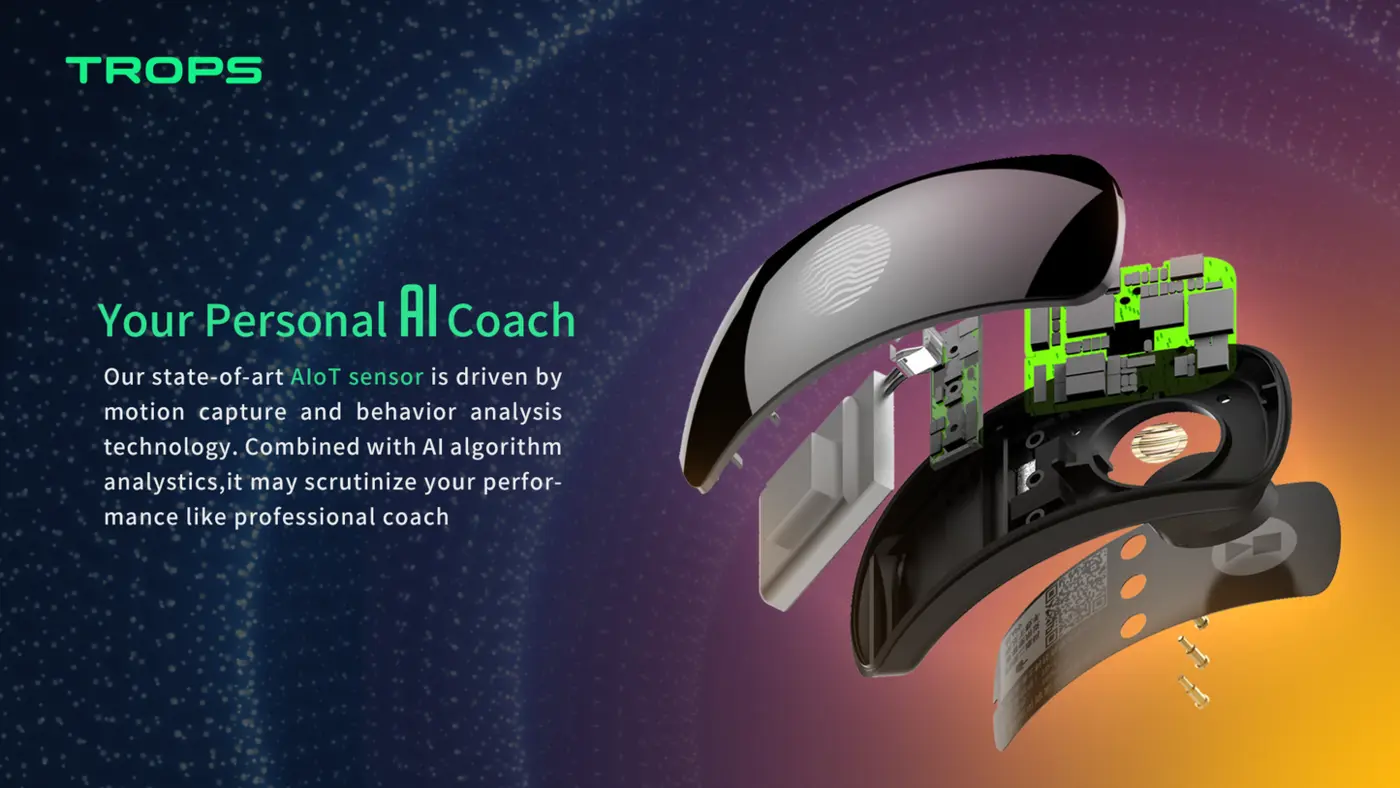
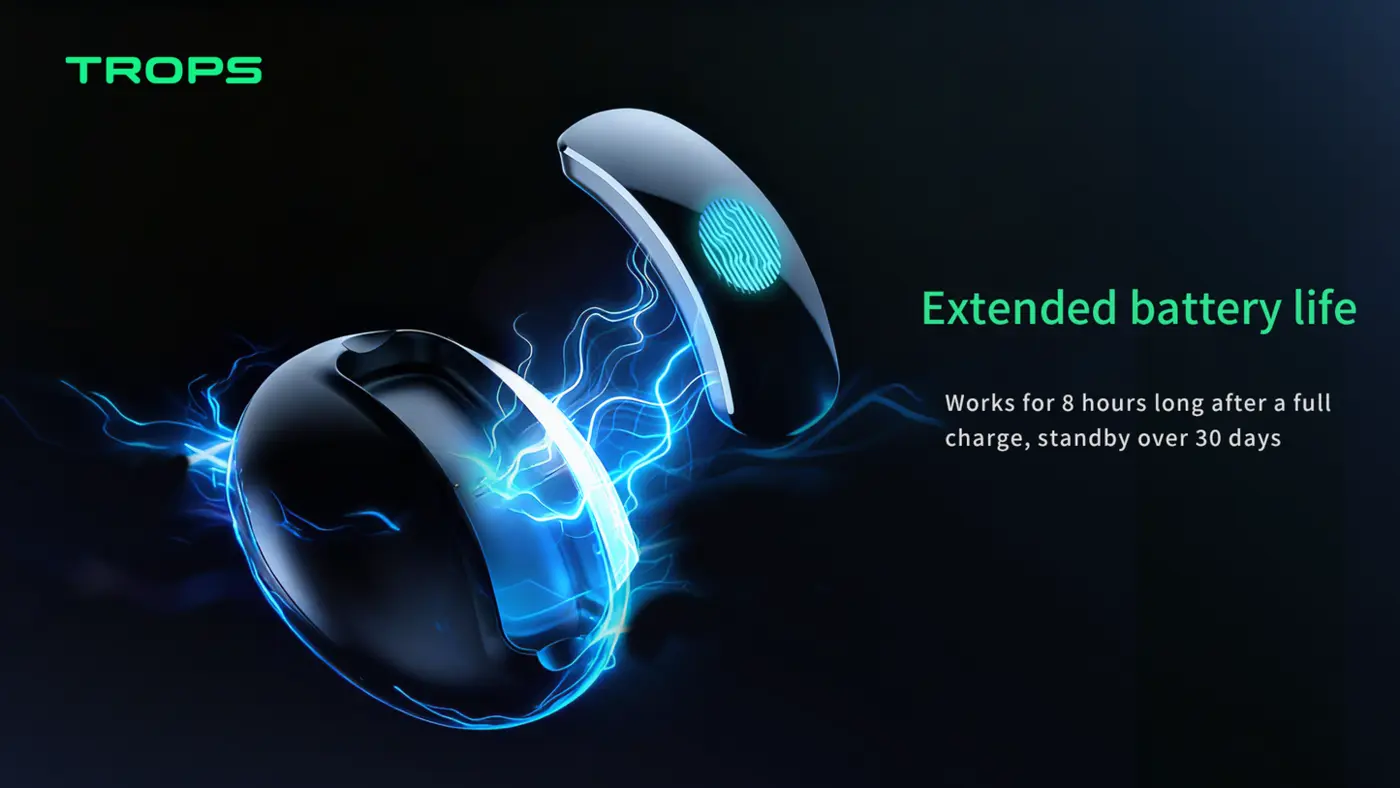
Foot-worn sensors are well suited to trials because they do not change how a player moves. The RunSports Tracker S1 is a 12 g sensor measuring 40x32x14 mm, worn on the sock or shin guard on the left or right foot. It houses a 6-axis IMU sampling at 1000 Hz, connects over Bluetooth 5.0, and runs up to 8 hours per charge — comfortably more than a trial session. Magnetic USB charging completes in about 1.5 hours, so a morning and afternoon trial can share the same hardware.
Practical points for the day:
- Assign sensors to players by number and log the pairing before warm-up.
- Check fit on the sock or shin guard; a loose sensor is a data problem waiting to happen.
- Run drills in the same order for every group so session context stays similar.
- Keep a simple paper or tablet sheet for coach observations alongside the numbers.
The RunSports Team Platform handles multi-player management, per-player and per-team reports, technical KPIs, training load and progress trends, with video sync if you film the session. If you are still comparing hardware options, the buying guide to football data tracking equipment covers the main trade-offs.
Fair comparison: turning numbers into decisions
Raw data does not select players. Your playing model does. Before the trial, agree which qualities matter for each age group and position — for example, involvement in possession, two-footedness, repeat sprint ability, or load tolerance. Then read the data against those qualities.
Reducing bias in practice
- Score blind where possible: have an analyst prepare anonymised reports by player number for the first review pass.
- Use ranges, not rankings: group candidates into bands rather than ordering them by a single metric.
- Separate technical from physical: a player can stand out technically while showing modest sprint data, and vice versa.
- Weigh the whole session: training load and late-session output show whether a candidate held up across the trial, not just in the first drill.
- Record disagreements: when coaches see something the data does not, note it. That gap is often the most useful information of the day.
For age-appropriate expectations, the guidance on youth football training is a useful reference point when setting thresholds.
Feedback to parents: clear, calm and specific
Trial feedback is where data earns its keep — or causes trouble. Parents want to know how their child performed and what happens next. Keep the conversation structured and avoid publishing raw numbers without context.
- Start with the outcome: offer, waitlist, or development pathway, stated plainly.
- Describe three strengths in plain language, supported by what you observed and, where helpful, by a metric such as strong two-footed involvement or consistent sprint output.
- Name one or two development areas with a concrete suggestion, such as working on weaker-foot striking or repeat sprint conditioning.
- Explain the data simply: say what was measured and why, and make clear it is one input among several.
- Offer a next step: a follow-up trial, a development squad place, or a re-assessment date.
Avoid comparing a child to named peers, and avoid framing load data as a health judgement. Training load monitoring is about awareness and planning; any concerns about a young player's physical response should go to qualified coaching and medical staff. The article on training load monitoring explains the distinction well.
Building a repeatable trial process
One good trial day is useful. A repeatable one is an asset. After each cycle, review which drills produced data you actually used, which metrics confused coaches, and where the session ran over time. Adjust the battery, then run it again with the same definitions so results stay comparable across intakes.
Many academies begin with a small pilot, then scale. The RunSports Academy Bundle combines sensors, the team platform and onboarding for 10 to 100+ players, which suits a trial programme that grows from one intake to several squads. Distributors and multi-site academies can explore OEM options through the OEM/ODM soccer tracker page, with sample orders from 10 units and OEM orders from 100 units.
Next step
If you are planning your next intake and want objective data behind selection and parent conversations, talk to the RunSports team. We supply from Dongguan, China, ship worldwide, and support enquiries in English, Chinese, Arabic, Spanish, Portuguese, French, German, Japanese, Korean, Thai, Vietnamese and Malay. Contact us to discuss your trial day requirements, sample orders or academy bundle options.
Recommended for your program
Frequently asked questions
How many players can a football academy trial day track at once?
It depends on your sensor count and staff. The RunSports Academy Bundle is offered for 10 to 100+ players, with multi-player management on the team platform. For larger trial days, split candidates into waves and rotate drills so each group wears sensors for a defined block, then download and review the data between waves.
What metrics should we capture during academy trials?
Focus on metrics tied to your playing model: ball touches, shot count and strike quality, left/right foot balance, sprints, top speed, distance and accelerations. Add training load so you can see how a candidate responds across the session. Keep the metric set small and consistent so comparisons stay fair between trial dates.
Does using wearables at trials require special facilities?
No fixed infrastructure is needed. The RunSports Tracker S1 is a 12 g foot-worn sensor worn on the sock or shin guard, connecting over Bluetooth 5.0 to iOS or Android devices. It is IP67 waterproof and charges via magnetic USB in about 1.5 hours, so a normal grass or artificial pitch works for data collection.
Can we brand sensors for our academy trial programme?
Yes. OEM orders from 100 units include custom colour, logo, packaging, app branding and firmware tuning, while sample orders start from 10 units. Academies often start with samples, run a pilot trial day, then scale into branded units for recurring trial cycles and partner schools.
Need help choosing the right equipment?
Talk to Our Export TeamRelated Reading
The Coach's Toolkit: Using GPS Data in U12, U15 and U18 Training Sessions
A practical guide for coaches and academy directors on using GPS data from U12 to U18: effort-first tracking, load management, selection insights and session design.
Read →
Soccer GPS Tracker Price: What Drives the Cost
Understand the real cost drivers behind a soccer GPS tracker — hardware, software seats, accessories, shipping and support — and how clubs should budget before they buy.
Read →
What Is a Soccer Foot Tracker and How Does It Improve Youth Training?
A practical guide to soccer foot trackers: how IMU sensors measure shots, sprints and foot balance, and how academies use the data in daily training.
Read →