5 a Side Football Stats Worth Tracking in Community Games
Key takeaways
- Track ball touches, foot balance and sprints for fair small-sided comparisons.
- Use the same session format and duration before comparing players.
- Weekly reports help organisers plan balanced, enjoyable sessions.
Small-sided games are the heartbeat of community football. They are quick to organise, easy to rotate and enjoyable for mixed groups. But when organisers want to understand what actually happened on the pitch, the metrics that matter are different from full-sided match analysis. The right 5 a side football stats should be simple to collect, fair to compare and useful for planning the next session.
Why small-sided games need a different metric set
In a 5-a-side game, players touch the ball more often, change direction constantly and spend less time in isolated positions. That makes raw totals misleading. A defender in a small game may record more touches than a striker in an 11-a-side match, not because they are more involved overall, but because the format demands it.
For organisers, the goal is not to replicate professional analysis. It is to create a consistent picture of involvement, movement and balance across weeks. That picture helps coaches rotate teams fairly, helps players see their own progress and helps venues demonstrate value to participants.
The core metrics worth tracking
Ball touches and foot balance
Ball touches show how often a player is involved in play. Left/right foot balance shows whether that involvement is one-sided. In community games, these two metrics together are more useful than a single total. A player with moderate touches but balanced foot use is developing both feet, which matters for long-term confidence.
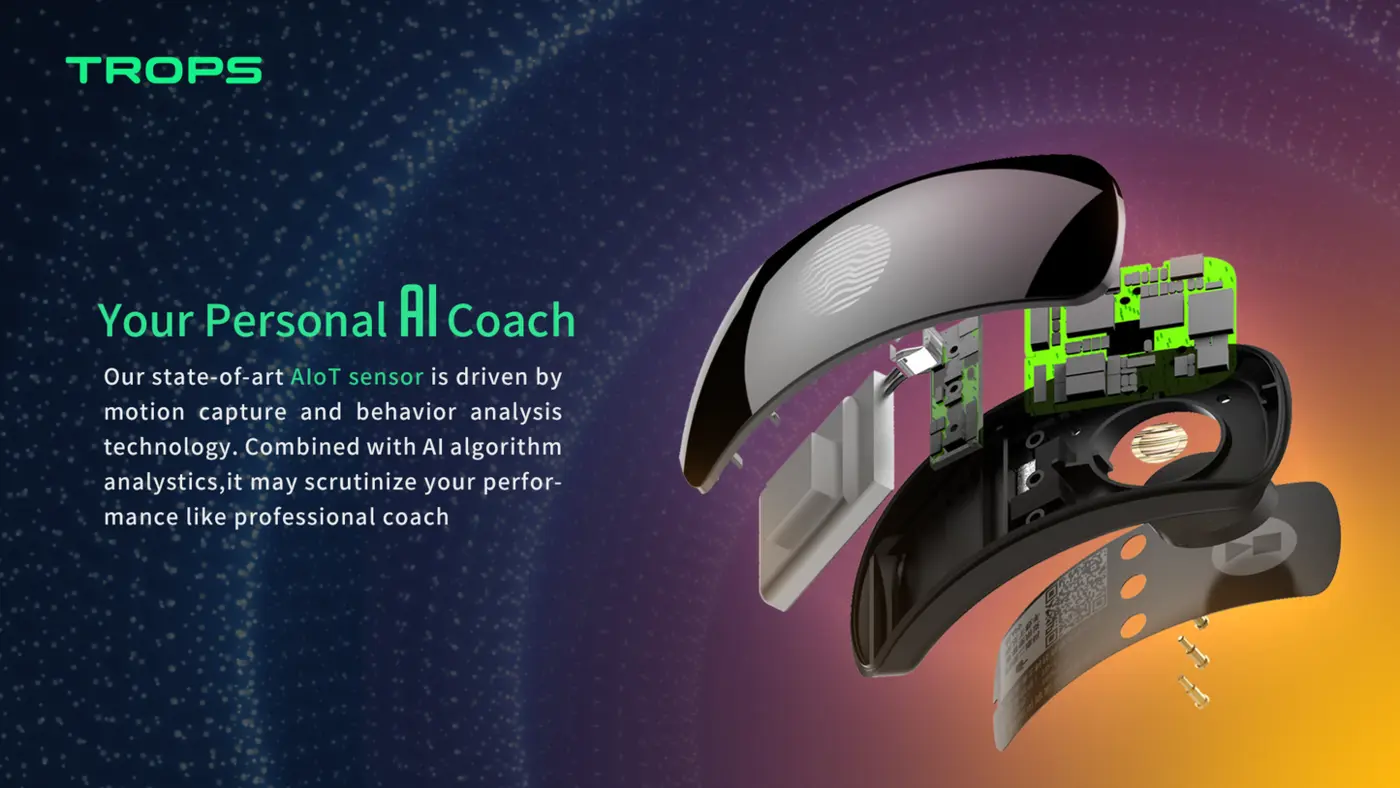
Foot-worn sensors can capture this automatically. The RunSports Tracker S1 measures ball touches, foot identification and left/right foot balance alongside shot count and strike quality, giving organisers a technical snapshot without manual counting.
Sprints, top speed and distance
Movement metrics add context to technical numbers. Sprint count and top speed indicate how often a player reached high intensity, while distance shows overall activity. In small-sided games, these numbers fluctuate with pitch size and player rotation, so they are best read as trends rather than absolutes.
Accelerations and decelerations are also useful for load awareness. They show how often a player changed pace, which is a normal part of small-sided play. Organisers should treat these as planning inputs, not as medical assessments, and consult qualified staff for any concerns about player load.
Training load and progress trends
Training load combines movement and technical activity into a single view of session demand. For weekly community games, the value is in comparison: was this week harder or easier than last week? Did a player’s involvement drop after a format change? The RunSports Team Platform stores per-player and per-team reports, so organisers can review trends without building their own spreadsheets.
How to use the data fairly
Fair use starts with consistent conditions. Keep session duration, pitch size and team format as stable as possible. If you change the format, note it before comparing reports. Small changes in rotation or pitch dimensions can shift touch counts and sprint numbers more than player ability does.
- Compare within roles and formats. A player who rotates across positions will have a different profile from one who stays in a fixed role.
- Share team summaries openly and individual reports privately. This keeps the session social while respecting players.
- Use data as a conversation starter. Ask players what felt different, then check whether the numbers support that view.
- Avoid selection decisions based on one session. Trends over several weeks are more reliable than a single game.
For a broader view of how clubs introduce tracking without overcomplicating grassroots sessions, see our guide to football analytics for grassroots clubs.
Running weekly sessions with tracking
A repeatable routine makes tracking practical for organisers. The aim is to spend minutes on setup, not hours on analysis.
- Charge and assign sensors before arrival. The Tracker S1 charges fully in 1.5 hours via magnetic USB and runs up to 8 hours per charge, so a weekly charging routine is enough.
- Pair players to sensors. The sensor is worn on the sock or shin guard, left or right, and connects over Bluetooth 5.0 to iOS 12+ or Android 8+ devices.
- Run the session as normal. Keep the format consistent and note any changes to pitch size or rotation.
- Review reports after the session. Look at touches, foot balance, sprints and load together rather than in isolation.
- Share a short summary. One or two highlights per player is enough for a social game.
The IP67 waterproof rating and 12 g foot-worn design mean the sensor suits outdoor community pitches and regular handling. For organisers managing larger groups, the RunSports Academy Bundle combines sensors, the team platform and onboarding for 10 to 100+ players.
What organisers should avoid
Tracking should support the social character of small-sided games, not replace it. Avoid publishing leaderboards based on single sessions, and avoid using technical metrics to rank players in mixed-ability groups. Load data is for awareness and planning; it is not a diagnosis, and any concerns about an individual player should be raised with qualified staff.
It also helps to explain the metrics in plain language. A short glossary, such as our football tracking glossary, can help players understand what a sprint or a ball touch means in their game.
Choosing equipment for community programmes
For schools, clubs and distributors, the practical questions are setup time, report clarity and supply flexibility. RunSports is a supplier based in Dongguan, China, shipping worldwide, with enquiry support in multiple languages. Sample orders start from 10 units, and OEM orders from 100 units include custom colour, logo, packaging, app branding and firmware tuning.
If you are comparing options, our buying guide to football data tracking equipment covers the questions worth asking before a pilot.
Next step
Whether you run a weekly social league, a school programme or a distributor portfolio, the right metric set makes small-sided games easier to plan and more engaging for players. To discuss a pilot or sample order, contact the RunSports team.
Recommended for your program
Frequently asked questions
Which 5 a side football stats matter most for social games?
Focus on ball touches, left/right foot balance, sprint count and distance. These metrics reflect involvement and movement without overcomplicating the session. Strike quality and shot count add context for attacking players. Keep the set small so players and organisers can understand the reports quickly and compare sessions fairly over time.
How can organisers use tracking data fairly in mixed-ability games?
Compare players within similar roles and session formats, not across different game sizes. Use the same duration and pitch setup each week. Share individual reports privately and team summaries openly. Treat data as a conversation starter rather than a selection tool, and let qualified coaches interpret load and performance trends.
Do wearable sensors work for weekly community sessions?
Yes. A foot-worn sensor such as the RunSports Tracker S1 charges in 1.5 hours and runs up to 8 hours per charge, so it suits weekly sessions. The team platform stores per-player and per-team reports, making it practical for organisers who run regular small-sided games without a full analytics team.
What should distributors look for in small-sided game tracking products?
Look for simple setup, clear reports and flexible supply. RunSports offers sample orders from 10 units and OEM orders from 100 units, with custom colour, logo, packaging and app branding. Confirm the platform supports multi-player management and that onboarding is included for academy or club deployments.
Need help choosing the right equipment?
Talk to Our Export TeamRelated Reading
U12 Football Training Drills You Can Measure
Practical U12 football training drills with measurable KPIs. Build a 60–75 minute session that tracks touches, weak-foot contacts, and sprints.
Read →
Football Load Management: Weekly Guide for Youth Coaches
A practical weekly load planning guide for youth football coaches: acute vs chronic load, spikes, deload weeks, and what to do when the data looks wrong.
Read →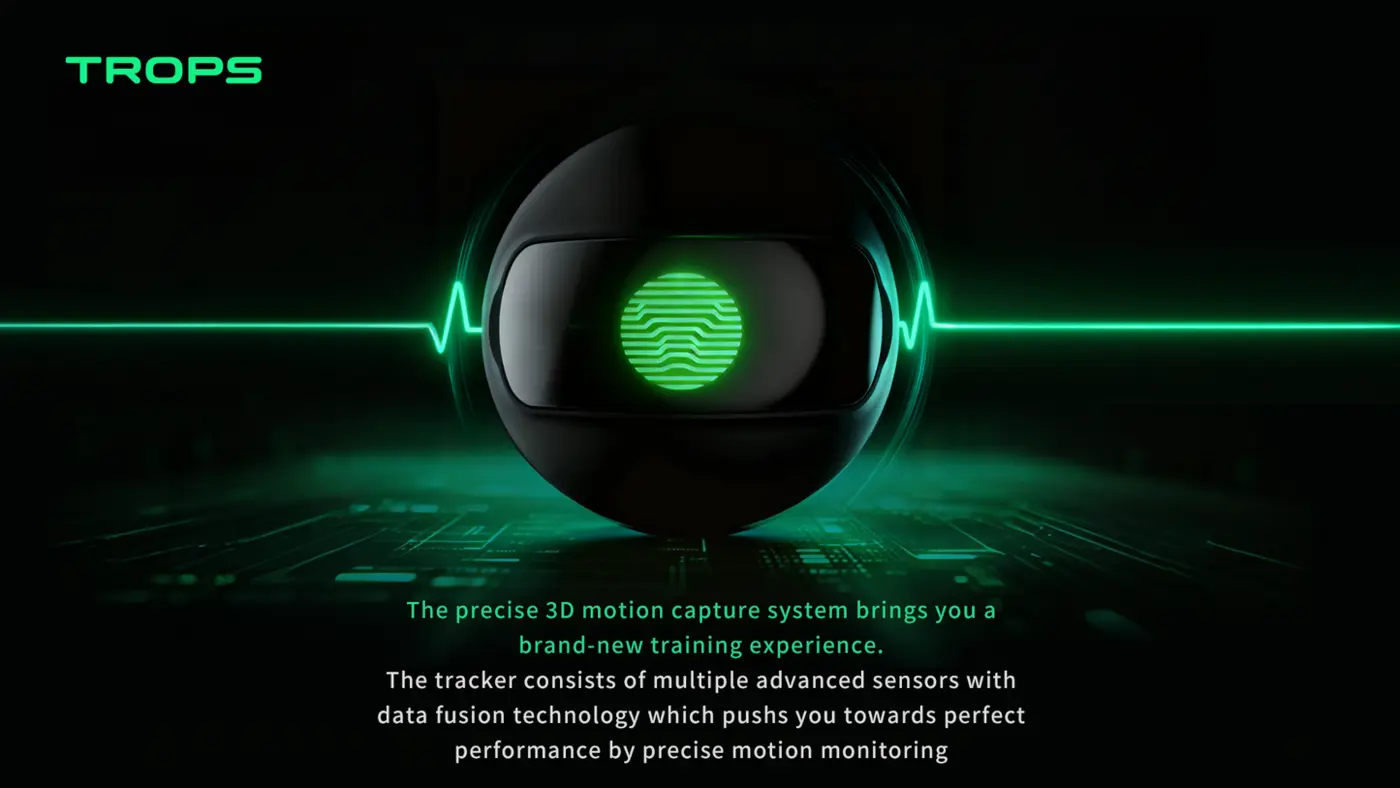
What Is a Soccer Foot Tracker and How Does It Improve Youth Training?
A practical guide to soccer foot trackers: how IMU sensors measure shots, sprints and foot balance, and how academies use the data in daily training.
Read →